Best Supplements for Perimenopause: The Pre-Menopause Protocol
Perimenopause starts up to 10 years before menopause. The supplement needs are different — and most guides conflate the two. Here's the perimenopause-specific stack.
- Perimenopause lasts 4–10 years BEFORE your final period — hormones are fluctuating wildly, not simply low
- Magnesium glycinate (300–400 mg) targets the #1 early symptom: disrupted sleep
- Start vitamin D3 + K2 now — bone density corrections take months and you lose the most bone in the 2 years around menopause
- Creatine (3–5 g/day) helps preserve muscle and bone mass that accelerates in decline during the transition
- DIM and chasteberry address estrogen-dominant and progesterone-low patterns respectively — pick based on your symptom profile
- Supplements support the transition but won’t replace HRT for severe symptoms — track and talk to your provider
The best supplements for perimenopause — magnesium, vitamin D, and creatine — target fluctuating, not depleted, hormones. That distinction matters because perimenopause starts 4 to 10 years before your final period, and most “menopause supplement” guides assume your estrogen is already low. During perimenopause, estrogen can spike unpredictably one month and crash the next, while progesterone trends steadily downward. The right stack addresses this volatility.
Perimenopause vs. Menopause: Different Needs
Menopause is a single point in time — 12 consecutive months without a period. Everything before that is perimenopause. Most people enter it in their early-to-mid 40s, though some start in their late 30s. The hormonal picture is fundamentally different from post-menopause.
In perimenopause, estrogen doesn’t just decline; it fluctuates erratically. Some cycles produce more estrogen than your 20s did. Others produce almost none. Meanwhile, progesterone drops more linearly because ovulation becomes less reliable. This mismatch — sometimes called “estrogen dominance” — drives many classic perimenopause symptoms: heavier periods, breast tenderness, mood swings, and sleep disruption.
For the post-menopause stack, see our separate best supplements for menopause guide.
Sleep Foundation: Magnesium Glycinate
Sleep disruption is the most common early perimenopause complaint — often showing up years before hot flashes. Progesterone is a natural sedative, and as it declines, falling asleep and staying asleep both suffer. Magnesium glycinate at 300–400 mg addresses this from multiple angles.
Magnesium activates the parasympathetic nervous system and regulates GABA receptors. The glycinate form is specifically chosen here because glycine itself has independent sleep-promoting effects (Bannai et al., 2012). Moderate evidence A 2012 trial in older adults found that 500 mg of magnesium improved subjective sleep quality, sleep time, and morning cortisol levels (Abbasi et al., 2012). Moderate evidence
For a full breakdown of forms and doses, see our best magnesium supplements guide.
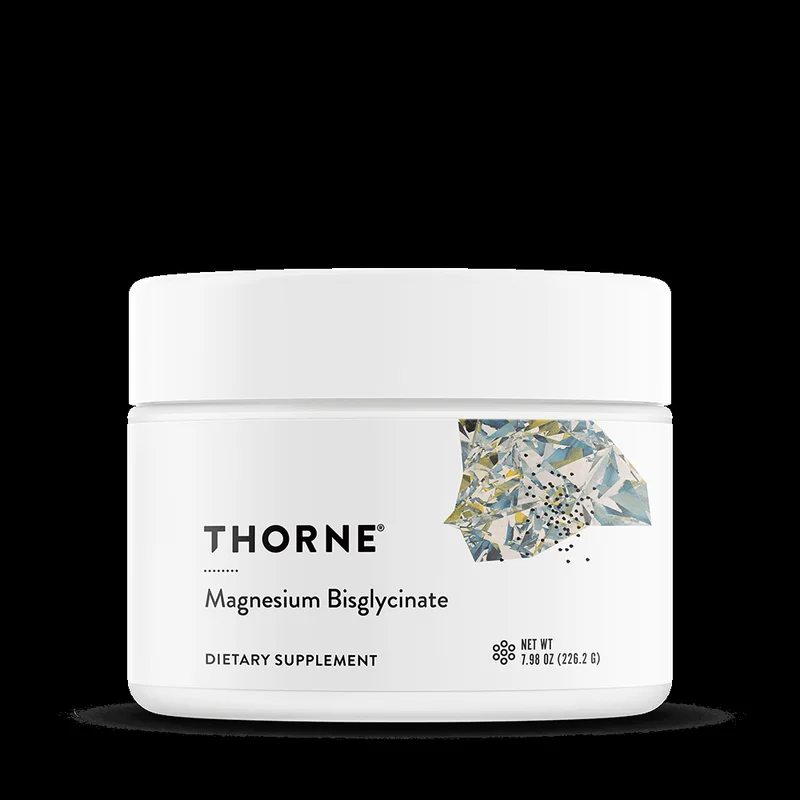
Thorne’s Magnesium Bisglycinate is well-absorbed and gentle on the stomach at bedtime doses:
Bone Building Starts Now: D3 + K2
You can lose up to 20% of your bone density in the 5–7 years surrounding menopause, per longitudinal data from the Study of Women’s Health Across the Nation (SWAN). Strong evidence That process starts during perimenopause, not after. By the time you’re officially post-menopausal, the window for easy intervention has narrowed. Correcting a vitamin D deficiency takes 2–3 months. Building meaningful bone density takes longer.
Vitamin D3 at 2,000–4,000 IU daily (adjusted by blood levels) supports calcium absorption. Vitamin K2 (MK-7, 100–200 mcg) directs that calcium into bone rather than arteries. The combination is more effective than either alone for bone mineral density (van Ballegooijen et al., 2017). Moderate evidence
We break down the top-scoring options in our best vitamin D supplements review.
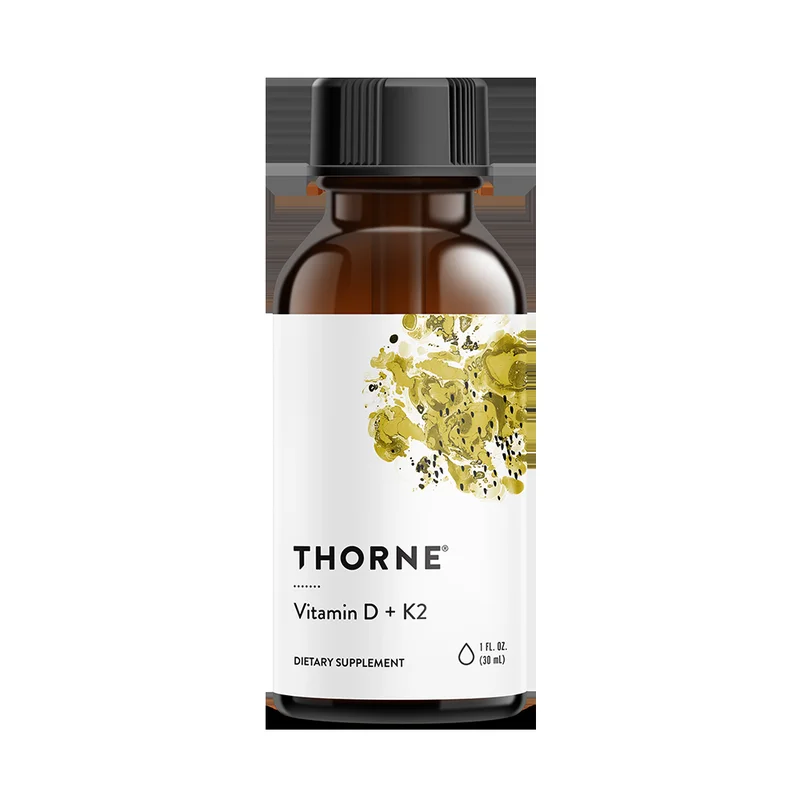
Thorne’s D3/K2 liquid combines both nutrients in a single dropper for easy dose adjustment:
Omega-3 for Mood and Inflammation
Hormonal fluctuations in perimenopause increase systemic inflammation markers like CRP and IL-6. That inflammation contributes to joint pain, brain fog, and mood instability. Omega-3 fatty acids — specifically EPA — are one of the most well-supported anti-inflammatory interventions available.
Some trials have examined EPA for hot flash reduction, with mixed results. Lucas et al. (2009) found modest benefit in a small trial, while the larger Freeman et al. (2011) OMEGA trial found EPA did not significantly reduce hot flashes vs. placebo. The evidence for omega-3 and vasomotor symptoms specifically is inconclusive. Emerging evidence For mood, a meta-analysis by Liao et al. (2019) showed that formulations with ≥60% EPA had significant antidepressant effects. Strong evidence
Aim for 1–2 g of combined EPA + DHA daily, with an EPA-dominant ratio. Take with a meal containing fat for absorption. See our best omega-3 supplements roundup for tested options.
Thorne’s Super EPA Pro provides a concentrated EPA-dominant formula ideal for mood and inflammation support:
B-Complex for Energy Fluctuations
The fatigue of perimenopause isn’t just from poor sleep. B vitamins — particularly B6, B12, and folate — are cofactors in energy metabolism, neurotransmitter synthesis, and homocysteine clearance. Perimenopause increases demand on all three pathways.
B6 (pyridoxal-5-phosphate, 25–50 mg) supports progesterone production and serotonin synthesis. B12 (methylcobalamin, 500–1,000 mcg) addresses the absorption decline that begins in your 40s. Methylfolate (400–800 mcg) bypasses MTHFR variants that affect up to 40% of the population (Wilcken et al., 2003). Moderate evidence
For a deeper dive on B12 specifically, check our vitamin B12 guide.
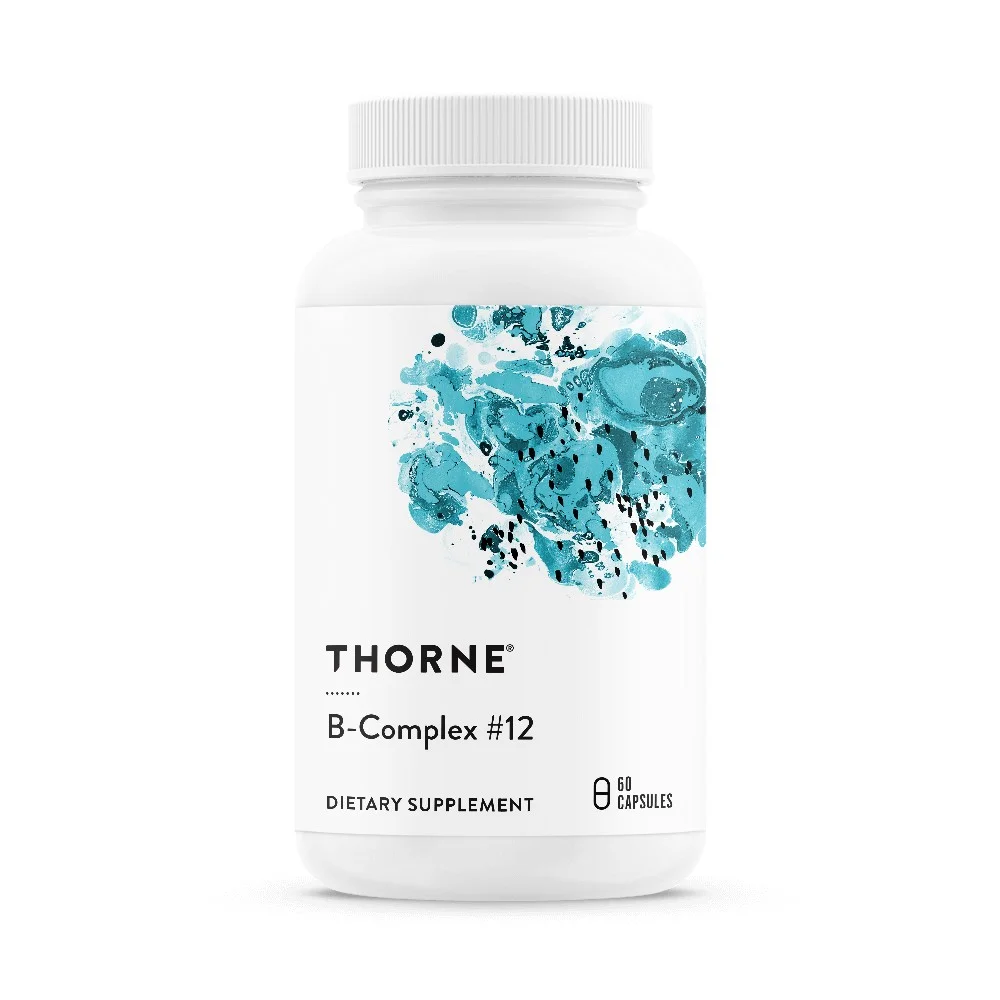
Thorne’s B-Complex #12 provides methylated B12 and folate alongside the full B-vitamin spectrum:
Ashwagandha for Mood Swings
Perimenopause amplifies the stress response. Cortisol and estrogen have a bidirectional relationship — when estrogen swings, cortisol regulation suffers. Ashwagandha (KSM-66 extract, 600 mg/day) doesn’t directly affect sex hormones. Instead, it modulates the HPA axis, your body’s central stress response system.
A 2019 RCT by Lopresti et al. found that 240 mg of ashwagandha extract significantly reduced cortisol levels and self-reported stress, anxiety, and sleep disruption versus placebo in stressed adults. Moderate evidence The KSM-66 form has the most clinical backing, with trials using 300–600 mg daily.
We cover form selection and dosing in our full ashwagandha guide.
Creatine: Preserving Muscle and Bone
The perimenopausal transition accelerates sarcopenia — the loss of muscle mass that begins around age 30. Estrogen is anabolic for muscle, and as it fluctuates and eventually declines, you lose muscle faster than you build it. Creatine monohydrate at 3–5 g/day can offset some of this.
Smith-Ryan et al. (2021) reviewed creatine’s effects in women and found benefits for lean mass, strength, and potentially bone mineral density when combined with resistance training. Creatine also has emerging evidence for cognitive function — relevant given perimenopause brain fog.
No loading phase is needed. Take 3–5 g daily with any meal. Creatine monohydrate (Creapure® is the gold standard) is the only form with robust evidence. See our creatine for women guide for more.
DIM for Estrogen Metabolism
Diindolylmethane (DIM) is a compound derived from cruciferous vegetables that supports Phase I and Phase II estrogen metabolism. During perimenopause’s estrogen-dominant phases, DIM promotes the 2-hydroxyestrone pathway — considered the “favorable” estrogen metabolite — over the 16α-hydroxyestrone pathway (Dalessandri et al., 2004). Emerging evidence
Typical dosing is 100–200 mg of DIM daily. It’s most relevant if your perimenopause pattern includes heavy periods, breast tenderness, weight gain around hips/thighs, and PMS-like symptoms — classic signs of estrogen dominance relative to progesterone.
Chasteberry for Cycle Irregularity
Vitex agnus-castus (chasteberry) has a long history in European phytomedicine for menstrual irregularity. It acts on the pituitary gland to increase luteinizing hormone (LH) and mildly support progesterone production in the luteal phase. A systematic review by van Die et al. (2013) found evidence supporting its use for PMS and cycle regulation. Moderate evidence
The standard dose is 20–40 mg of a standardized extract daily, taken in the morning. Chasteberry is most appropriate for perimenopausal people experiencing worsening PMS, shorter luteal phases, or irregular cycle lengths — patterns that suggest insufficient progesterone.
What to Avoid Without Medical Guidance
Not everything marketed for perimenopause is appropriate to take on your own. Two categories deserve special caution.
In general, approach anything that directly modulates hormone levels — rather than supporting downstream pathways — with more caution during perimenopause than you would at other life stages.
Sample Stack by Dominant Symptom
Perimenopause doesn’t look the same for everyone. Rather than taking everything on this list, build your stack around your primary complaint.
| Symptom Cluster | Core Stack | Add If Needed |
|---|---|---|
| Sleep + Mood | Magnesium glycinate 300–400 mg + Omega-3 (EPA-dominant) 1–2 g | Ashwagandha KSM-66 600 mg |
| Cycle Irregularity | Chasteberry 20–40 mg + B-complex (methylated) | DIM 100–200 mg (if estrogen-dominant pattern) |
| Body Composition | Creatine 3–5 g + Vitamin D3/K2 | Omega-3 1–2 g |
| Energy + Brain Fog | B-complex (methylated) + Creatine 3–5 g | Magnesium glycinate 300 mg |
Transitioning Into Menopause
As you move closer to your final period, the supplement strategy shifts. Estrogen-dominant symptoms (heavy periods, breast tenderness) give way to low-estrogen symptoms (hot flashes, vaginal dryness, accelerated bone loss). When this happens:
- DIM becomes less useful and may be counterproductive
- Chasteberry loses relevance once ovulation has stopped
- Magnesium, D3/K2, omega-3, creatine, and B-complex remain relevant long-term
- Phytoestrogens and black cohosh may become appropriate (discuss with your provider)
- HRT conversations become more relevant — supplements are adjuncts, not replacements
Track your cycle length, hot flash frequency, sleep quality, and mood monthly. These patterns tell you — and your provider — where you are in the transition and when to adjust your protocol.
Frequently Asked Questions
How do I know if I’m in perimenopause?
The hallmark is cycle irregularity — periods that come closer together or further apart, heavier or lighter than your norm. Other early signs include sleep disruption, increased PMS severity, and mood volatility. Blood tests for FSH and estradiol can help, but levels fluctuate so much in perimenopause that a single snapshot is often unreliable. Your symptom pattern over 3–6 months is usually more informative than any single lab value.
Can supplements replace hormone replacement therapy (HRT)?
For mild-to-moderate symptoms, supplements can meaningfully improve quality of life. For severe hot flashes, significant mood disorders, or rapid bone loss, HRT remains the most effective intervention with strong evidence behind it. Think of supplements as the foundation and HRT as a targeted medical treatment. They’re complementary, not competing approaches.
Will creatine cause weight gain?
Creatine can increase scale weight by 1–2 pounds due to intracellular water retention in muscle tissue. This is not fat gain. In the context of perimenopause, preserving and building lean muscle mass actually supports metabolic rate and long-term body composition. The water weight typically stabilizes within 2–3 weeks.
Should I take DIM or chasteberry?
It depends on your symptom pattern. DIM is better suited for estrogen-dominant symptoms: heavy periods, breast tenderness, bloating, and weight gain in the hips and thighs. Chasteberry targets progesterone-deficient patterns: short luteal phases, spotting before your period, worsening PMS, and irregular cycles. Some people benefit from both, but start with one, track symptoms for 6–8 weeks, then reassess.
How long do supplements take to work for perimenopause symptoms?
Magnesium for sleep often shows effects within 1–2 weeks. Ashwagandha for stress/mood typically takes 4–6 weeks. Chasteberry requires at least 2–3 full cycles (2–3 months) to evaluate. Vitamin D correction takes 2–3 months. Creatine benefits accumulate over 4–8 weeks with consistent resistance training. Give each supplement an adequate trial before deciding it doesn’t work.
Is it safe to take all of these together?
The supplements on this list are generally safe to combine at the recommended doses. However, we don’t recommend starting everything simultaneously. Add one new supplement every 1–2 weeks so you can identify what’s helping and what’s causing side effects. If you take prescription medications — especially thyroid drugs, blood thinners, or antidepressants — check interactions with your pharmacist or provider.
Who Should Talk to a Doctor First
Supplements are generally lower-risk interventions, but perimenopause involves real hormonal complexity. Certain situations warrant a conversation with your healthcare provider before starting any new supplement.
None of the above is medical advice. Bring your full supplement list to your next provider visit.
The Bottom Line
Perimenopause is not early menopause. It’s a distinct phase with its own hormonal signature — wild fluctuations rather than steady decline — and it demands a different approach than the standard post-menopause playbook. The most impactful supplements target the downstream consequences of hormonal chaos rather than trying to replace hormones directly.
Start with the foundation: magnesium glycinate for the sleep disruption that affects nearly everyone, vitamin D3 + K2 for the bone loss happening silently in the background, and omega-3s for the inflammatory surge that drives joint pain and mood instability. These three address the most common and most consequential changes of perimenopause with strong evidence behind them.
Layer on targeted support based on your dominant symptoms. If mood swings and cortisol are your main struggle, ashwagandha is the logical next addition. If your cycles are increasingly erratic and PMS is worsening, chasteberry addresses the progesterone decline driving those changes. If estrogen-dominant symptoms like heavy periods and breast tenderness dominate, DIM supports healthier estrogen metabolism. If body composition is shifting despite consistent training, creatine helps preserve the muscle mass that estrogen used to protect.
What you should not do is chase every supplement on a list, buy a “perimenopause blend” with 20 underdosed ingredients, or treat severe symptoms with supplements alone. Track your symptoms methodically. Add one supplement at a time. Give each an honest 6–8 week trial. And keep your provider in the loop — perimenopause is the ideal window to discuss whether HRT might be appropriate for you, and supplements work best as part of a comprehensive strategy that includes nutrition, resistance training, sleep hygiene, and medical care when needed.
The transition into menopause is inevitable. How well you navigate it is not entirely out of your hands.
Supplements that support this
Turn this into your stack
Answer two questions and we'll build an evidence-graded starter stack — every ingredient with its dose, timing, and interaction checks.
Free · no account needed to start
Read next
Best Supplements for PCOS: Evidence-Based Stack (2026)
Inositol, NAC, vitamin D, and magnesium all have meaningful PCOS evidence. Here's which ones actually move insulin, cycles, and fertility — and at what doses.
Best Supplements for Menopause: What Actually Works
Hot flashes, bone loss, sleep disruption, and mood changes — menopause is multi-system. Here's the evidence-based stack that addresses each without HRT.
Ashwagandha for Testosterone: What the Evidence Actually Shows
Ashwagandha shows modest but real testosterone effects in men — especially stressed or sedentary men. Here's how the mechanism works and whether you'll notice.
Free, university-grade courses on longevity science — from cellular biology to building an evidence-based stack.
Evidence-based supplement guides, no spam
We send a short digest when new guides drop — nothing else. No affiliate pushes, no sponsored content, unsubscribe anytime.