Ashwagandha for Testosterone: What the Evidence Actually Shows
Ashwagandha shows modest but real testosterone effects in men — especially stressed or sedentary men. Here's how the mechanism works and whether you'll notice.
- Ashwagandha can raise testosterone by roughly 10–20% in stressed, sedentary, or older men — not enough to replace TRT, but enough to matter if you’re low-normal.
- The mechanism is indirect: lower cortisol reduces HPA-axis suppression of testicular function, allowing endogenous T to recover.
- Young, fit men with already-optimal testosterone see little to no benefit — there’s a ceiling effect.
- Effective doses are 300–600 mg/day of KSM-66 or Sensoril extract, taken with food for at least 8 weeks.
- It is not a steroid and not a SARM. Set realistic expectations.
- Men with hormone-sensitive prostate cancer should avoid it entirely.
Ashwagandha testosterone effects are real but modest. Multiple placebo-controlled trials show the herb can raise total testosterone by 10–20% in men whose levels are suppressed by stress, age, or inactivity. It works by lowering cortisol rather than directly stimulating androgen production — which means the men who benefit most are the ones whose hormonal environment is already compromised.
What the Research Actually Shows
Two trials anchor most of the testosterone conversation around ashwagandha, and both are randomized, double-blind, and placebo-controlled.
Wankhede et al. (2015) gave 57 young resistance-trained men 600 mg/day of KSM-66 ashwagandha or placebo for 8 weeks. The ashwagandha group saw a 15% increase in testosterone and a significant increase in DHEA-S compared to placebo. They also gained more muscle and lost more body fat, though the study was small and the training program was standardized (which limits real-world extrapolation).
Lopresti et al. (2019) took a different population — 57 overweight men aged 40–70 — and used a lower dose of 240 mg/day of a proprietary ashwagandha extract for 8 weeks. Testosterone rose by roughly 14% versus placebo, and DHEA-S increased by about 18%. Cortisol dropped significantly in the treatment group.
The evidence is consistent enough to take seriously, but not strong enough to call definitive. If you’re expecting pharmaceutical-grade proof, it isn’t there yet.
Mechanism: Cortisol → Testosterone
Ashwagandha doesn’t act like an anabolic steroid. It doesn’t bind androgen receptors or introduce exogenous hormones. Instead, the proposed mechanism is indirect and works through the hypothalamic-pituitary-adrenal (HPA) axis.
Chronic psychological or physical stress elevates cortisol. Sustained high cortisol suppresses gonadotropin-releasing hormone (GnRH) at the hypothalamus and blunts luteinizing hormone (LH) secretion from the pituitary — both of which reduce testosterone production in the testes. Ashwagandha’s withanolides appear to lower cortisol by modulating HPA-axis signaling. Chandrasekhar et al. (2012) demonstrated a 28% reduction in serum cortisol over 60 days at 600 mg/day.
Lower cortisol → less HPA suppression → more normal LH signaling → modest recovery of endogenous testosterone. This is why the effect is most pronounced in men whose cortisol was elevated to begin with. For a deeper dive into ashwagandha’s stress mechanisms, see our full ashwagandha guide.
Who Responds (And Who Doesn’t)
The pattern across trials is clear: baseline matters. Men who respond best share one or more of these traits:
- Chronically stressed — high perceived stress, poor sleep, elevated cortisol
- Sedentary or low-activity — not already getting the testosterone benefits of resistance training
- Older (40+) — age-related declines in T are partly stress- and inflammation-driven
- Overweight — excess adiposity increases aromatase activity and cortisol
This isn’t a failure of the supplement — it’s how the mechanism works. Ashwagandha restores suppressed function; it doesn’t push past physiological ceilings.
Dose, Timing, and Form
The two extracts with the most clinical data are KSM-66 (full-spectrum root extract) and Sensoril (root + leaf extract standardized to withanolides). Most positive testosterone trials used KSM-66 at 600 mg/day, though the Lopresti study got results at 240 mg/day with a concentrated extract.
- Dose: 300–600 mg/day of standardized extract (5%+ withanolides for KSM-66; 10%+ for Sensoril)
- Timing: With food, to improve absorption and reduce GI upset. Morning or evening both work — if it makes you drowsy, take it at night.
- Duration: Allow at least 8 weeks before evaluating. Cortisol changes begin within 2–4 weeks, but downstream testosterone shifts take longer.
Realistic Expectations: The 10–20% Reality
A 15% testosterone increase sounds impressive in a headline. Let’s put it in real numbers. If your total testosterone is 350 ng/dL — low-normal and symptomatic — a 15% increase brings you to roughly 400 ng/dL. That’s still within the normal range, but it may be enough to improve energy, libido, and mood at the margins.
If your total T is 250 ng/dL (clinically low), ashwagandha might push you to 290. That’s probably not enough to resolve symptoms, and you should be having a conversation with an endocrinologist about TRT or clomiphene — not relying on an adaptogen.
The sweet spot for ashwagandha is the man with low-normal T (300–450 ng/dL) whose lifestyle factors — stress, poor sleep, inactivity — are dragging his levels down. For that profile, the herb is a reasonable addition alongside the fundamentals: sleep optimization, resistance training, and adequate zinc intake.
Stacking With Other Supplements
Ashwagandha pairs logically with other compounds that address overlapping mechanisms:
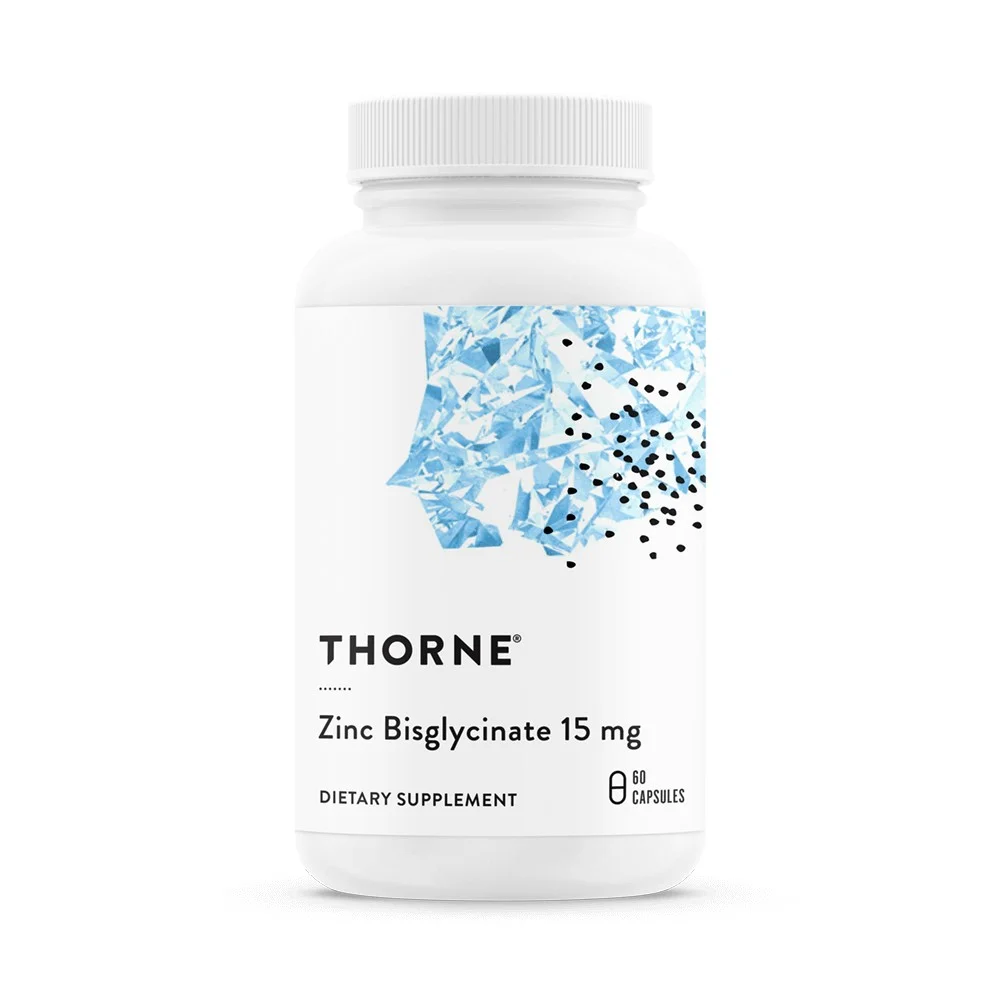
- Zinc (15–30 mg/day) — essential for testosterone synthesis. Deficiency alone can tank T. Correcting a zinc deficit may amplify ashwagandha’s effects.
- Magnesium (200–400 mg/day) — supports sleep quality and may independently support free testosterone in men with low intake.
- Vitamin D (2,000–5,000 IU/day) — another common deficiency linked to lower testosterone. Evidence is mixed but biological plausibility is strong.
For broader stress management, ashwagandha sits alongside other adaptogens — see our best adaptogens for stress breakdown for how they compare. However, stacking multiple adaptogens specifically for testosterone lacks clinical data. Keep it simple.
Compared to Other “Natural Testosterone Boosters”
The natural testosterone booster market is largely noise. Here’s where ashwagandha sits relative to the most commonly marketed alternatives:
- Tribulus terrestris: Heavily marketed, but systematic reviews consistently show no significant effect on testosterone in humans. Emerging evidence
- Fenugreek: Some evidence for modest free-T increases via aromatase inhibition, but study quality is variable. Emerging evidence
- D-Aspartic acid: Short-term spike in LH/testosterone in initial studies, but longer trials (28+ days) show the effect disappears. Emerging evidence
- Tongkat Ali (Eurycoma longifolia): Growing evidence base, particularly in stressed and older men. May rival ashwagandha, though head-to-head data doesn’t exist. Moderate evidence
Ashwagandha has the most consistent RCT support of the group, which is why it scores well in evidence-based frameworks. That said, “best of a weak field” isn’t the same as “strong evidence.”
TRT Patients: A Note on Combining
If you’re already on testosterone replacement therapy, adding ashwagandha introduces a wrinkle. The cortisol-lowering effects are still relevant (stress management doesn’t stop being useful on TRT), but the indirect testosterone-boosting mechanism becomes redundant — your T levels are already exogenously controlled.
More importantly, if ashwagandha does modestly increase endogenous T production in men with intact hypothalamic-pituitary-gonadal axes, that effect is suppressed by TRT itself (which downregulates LH). The concern is less about dangerous interactions and more about wasted money.
Side Effects and Safety
Ashwagandha is generally well tolerated at standard doses. The most common side effects are:
- Mild drowsiness — especially at higher doses or when combined with sedatives
- GI upset — nausea, diarrhea, or stomach discomfort, usually resolved by taking with food
- Rare hepatotoxicity — a small number of case reports describe liver injury, though causality is debated and confounders are common
If you’re taking benzodiazepines, sleep medications, or other sedatives, be cautious — ashwagandha may have additive CNS-depressant effects. This isn’t well-quantified, but the pharmacological plausibility is enough to warrant attention.
Frequently Asked Questions
How long does ashwagandha take to affect testosterone?
Most clinical trials measure outcomes at 8 weeks, and that’s a reasonable minimum to expect. Cortisol begins to shift within 2–4 weeks, but downstream testosterone changes require more time as the HPA axis recalibrates. Don’t assess efficacy before the 8-week mark.
Can women take ashwagandha for testosterone?
The testosterone trials focused exclusively on men, and the hormonal dynamics differ significantly in women. Ashwagandha may benefit women through cortisol reduction and stress management, but extrapolating the male testosterone data to women is not supported. Women concerned about androgen levels should work with an endocrinologist.
Does ashwagandha increase DHT or estrogen?
The existing trials did not show significant increases in DHT or estradiol, but they also weren’t specifically designed to detect them. A modest increase in total testosterone could theoretically increase downstream conversion to either hormone, but at 10–20% increases, this is unlikely to be clinically meaningful for most men.
Is KSM-66 better than Sensoril for testosterone?
Most testosterone-specific trials used KSM-66, so it has more direct data for this outcome. Sensoril has stronger evidence for cortisol reduction and anxiety. Both contain active withanolides. If testosterone is your primary goal, KSM-66 at 600 mg/day has the most trial support. If stress and sleep are the priority, Sensoril may be a better fit.
Will ashwagandha show up on a drug test?
Ashwagandha is not a banned substance under WADA or standard employment drug panels. It does not produce synthetic androgens or their metabolites. However, contaminated or adulterated products could theoretically cause issues — buy third-party tested supplements from reputable brands.
ashwagandha testosterone before and after bloodwork results
Order a panel covering total testosterone, free testosterone, SHBG, LH, DHEA-S, and morning cortisol — not total T alone. Draw blood between 7:00–9:30 AM, fasted, after a normal night’s sleep, and avoid testing within 24 hours of intense training. Intra-individual variability in total testosterone runs roughly 15% between draws under identical conditions, so a meaningful change must exceed that noise floor and be corroborated by directional shifts in at least one related marker, such as lower cortisol or higher DHEA-S.
can I take ashwagandha every day long term or should I cycle it
Every major testosterone RCT ran for 8 weeks; no 6- or 12-month trial exists measuring testosterone outcomes. The guide recommends a precautionary default of 8–12 weeks on, followed by 2–4 weeks off — not because any study validated this cycle, but because long-term efficacy data simply doesn’t exist. If you skip cycling, you aren’t contradicting a study, but you’re operating without evidence of sustained benefit. Retest bloodwork at the 8-week mark and after any break to track whether the effect holds.
ashwagandha testosterone study sample sizes too small to trust
Skepticism is warranted. The two most-cited trials — Wankhede (2015) and Lopresti (2019) — each enrolled 57 participants. The 2021 Smith et al. systematic review found a significant rise in three of four ashwagandha trials, but did not pool them, and flagged small sample sizes and short durations as the primary limitations. No multi-center, large-sample, long-duration trial exists yet. The evidence is consistent enough to take seriously, but not strong enough to call definitive — a distinction the guide makes explicitly.
KSM-66 vs Sensoril vs Shoden ashwagandha which is best
KSM-66 has the most direct testosterone trial data, used at 600 mg/day in the Wankhede trial. Sensoril has stronger evidence for cortisol reduction and anxiety. Shoden — the concentrated extract used in the Lopresti (2019) trial — produced a ~14% testosterone increase at just 240 mg/day, suggesting its higher withanolide density may offset the lower dose. The guide doesn’t compare all three head-to-head, but if testosterone is your primary goal, KSM-66 has the broadest trial support; Shoden is a reasonable alternative with at least one positive RCT.
ashwagandha and alcohol interaction
The guide flags alcohol explicitly in its drug interaction checklist. The concern is twofold: additive CNS depression amplifying ashwagandha’s sedative effects, and compounded liver stress. Ashwagandha has rare but documented hepatotoxicity case reports, and regular alcohol use independently stresses hepatic function. The guide lists regular alcohol use as a compounding risk factor for liver injury and recommends consulting a healthcare provider before use if you drink more than a few drinks per week.
ashwagandha free testosterone vs total testosterone difference
Free testosterone is the biologically active fraction not bound to SHBG or albumin — it’s what your tissues actually use. Total testosterone can look normal while free T is low if SHBG is elevated. The guide recommends testing both, along with SHBG, for this reason. The Wankhede trial measured DHEA-S alongside total testosterone, and the guide notes that without SHBG and free T data, a total T reading is “nearly useless for tracking supplement effects.” Whether ashwagandha specifically lowers SHBG isn’t established in the available trials.
best ashwagandha supplement brand third-party tested
The guide doesn’t name specific brands or testing certifications. For verification, look for products certified by NSF International, Informed Sport, or USP — these organizations independently test for label accuracy and banned-substance contamination. Certification logos should be verifiable on the certifying body’s website, not just printed on the label. The guide recommends standalone, standardized ashwagandha extract (KSM-66 at 600 mg/day has the most trial support) over proprietary blends, and directs readers to the Formulate catalog for curated options.
How to Test Your Testosterone Before and After (The Right Bloodwork Protocol)
Testing your testosterone before and after ashwagandha requires more than a single total T reading. Hormone levels fluctuate enough within the same person — on the same day, even — that a sloppy testing protocol will produce noise you'll mistake for signal. Here's how to do it properly.
The Biomarkers to Order
Don't just test total testosterone. Request a panel that includes total testosterone, free testosterone, SHBG (sex hormone-binding globulin), LH (luteinizing hormone), DHEA-S, and morning cortisol. Free T tells you what's actually bioavailable. SHBG explains discrepancies between total and free T. LH confirms whether any testosterone change is coming from upstream signaling — which is the proposed ashwagandha mechanism. And cortisol is the whole point: you need to see whether the HPA-axis brake is actually being released.
When to Draw Blood
Testosterone peaks in the early morning and drops 20–30% by afternoon (Brambilla et al., 2009). Always draw between 7:00–9:30 AM, fasted, after a normal night of sleep. Avoid testing the day after intense training — acute exercise transiently raises T, and you'll capture the wrong signal. Aim for day 2 or 3 of a rest or deload period. Replicate these exact conditions for your follow-up draw.
What Counts as a Real Change
Intra-individual variability in total testosterone runs roughly 15% between draws even under identical conditions (Vermeulen & Verdonck, 1992; Travison et al., 2007). That means if your baseline is 400 ng/dL, a follow-up of 430 ng/dL is within normal fluctuation — not evidence of anything. Moderate evidence A meaningful delta should exceed that ~15% noise floor and be corroborated by directional changes in at least one related marker (lower cortisol, higher DHEA-S, or higher LH).
Long-Term Use and Cycling: What to Do After 8–12 Weeks
Long-term ashwagandha use beyond 12 weeks is where the clinical data simply stops. Every ashwagandha trial in the Smith et al. (2021) review — Wankhede (2015), Lopresti (2019) and Ambiye (2013) among them — gave ashwagandha for 8 to 12 weeks; Ambiye's 90 days is the longest. Nobody has published a 6-month or 12-month RCT measuring testosterone outcomes. That's not a minor gap — it means we genuinely don't know whether the 10–20% testosterone increase holds, plateaus, or reverses with continued use.
The Case for Cycling
The theoretical rationale for cycling adaptogens comes from receptor desensitization — the idea that sustained modulation of HPA-axis signaling could blunt the body's response over time, similar to how chronic benzodiazepine use downregulates GABA receptors. Some practitioners in Ayurvedic and integrative medicine recommend cycling ashwagandha (8–12 weeks on, 2–4 weeks off) to prevent this. The logic is pharmacologically plausible, but no human study has tested whether ashwagandha's cortisol-lowering or testosterone effects actually diminish with continuous use. Emerging evidence
The Case for Continuous Use
Safety data, at least, extends a bit further. Ashwagandha has been used in Ayurvedic practice for extended periods, and the adverse event profile in 8-week trials is mild. A 2021 systematic review of ashwagandha safety (Tandon & Yadav) found no dose-dependent toxicity signals at standard doses across available studies. But tolerability isn't the same as sustained efficacy — your liver may be fine while the testosterone benefit quietly fades.
A Practical Default
Either way, get bloodwork at baseline, at the 8-week mark, and again after any break. Total testosterone, free testosterone, and cortisol give you an actual signal instead of guesswork. If your numbers improved and hold through a cycle, you have your answer. If they didn't budge after 8–12 weeks, continuing indefinitely won't fix that — revisit whether you're in the responder profile or whether the fundamentals (sleep, training, stress management) need more attention first.
Ashwagandha and Liver Health: Understanding the Hepatotoxicity Signal
Ashwagandha and liver health deserves a more thorough treatment than the "case reports exist, causality debated" framing you'll find on most supplement sites. Multiple regulatory agencies have now weighed in, and ignoring that context does you a disservice.
What the Case Reports Show
As of 2024, at least 20 published case reports describe clinically significant liver injury associated with ashwagandha use. Björnsson et al. (2020) documented five cases in Iceland alone, with liver biopsies showing patterns consistent with drug-induced liver injury (DILI). Onset typically occurred between 2 and 12 weeks of use, and most patients recovered after discontinuation — though at least one case required hospitalization. Emerging evidence
Regulatory Warnings Are Real
The UK's MHRA issued a safety alert in 2023 flagging ashwagandha-containing products after receiving multiple Yellow Card reports of hepatotoxicity. Health Canada has similarly flagged liver injury as a potential risk. These aren't fringe concerns — they represent formal regulatory signals from agencies that don't issue warnings casually.
Who's at Higher Risk
The case literature suggests several compounding risk factors: pre-existing liver disease or elevated baseline liver enzymes, regular alcohol use (which independently stresses hepatic function), and concurrent use of hepatotoxic medications — statins, acetaminophen at high doses, certain antifungals, and methotrexate among them. If any of these apply to you, the risk-benefit calculation shifts meaningfully.
A practical screening question before starting ashwagandha: Do you drink alcohol regularly (more than a few drinks per week), or are you taking a statin or other medication metabolized heavily by the liver? If yes, consult your healthcare provider before use. Baseline liver function tests (ALT, AST, bilirubin) are a reasonable precaution, especially if you plan to use ashwagandha for the 8–12 week durations discussed in the testosterone section above.
Keeping This in Perspective
Millions of people take ashwagandha without liver problems. The absolute incidence of hepatotoxicity appears low — likely well under 1% — but "rare" and "zero" are different things. The signal is strong enough that regulatory bodies acted on it, yet not strong enough to trigger market withdrawals. For most healthy adults without liver risk factors, standard-dose ashwagandha for 8–12 weeks remains reasonable. But transparency about this risk is more useful to you than false reassurance. Emerging evidence
Ashwagandha for Women: A Different Hormonal Picture
Ashwagandha's effects on female hormones don't mirror the male testosterone story, and you shouldn't assume they do. The trials cited throughout this guide enrolled men exclusively. Women have a fundamentally different hormonal architecture — testosterone matters, but it circulates at roughly 5–10% of male levels, and the clinical implications of raising it depend entirely on context.
What the Female-Specific Data Actually Shows
The most cited trial in women is Dongre et al. (2015), which gave 50 healthy women 300 mg of KSM-66 twice daily for 8 weeks. The study focused on sexual function, not testosterone per se. The ashwagandha group reported significant improvements in arousal, lubrication, orgasm, and satisfaction versus placebo. Moderate evidence The mechanism likely involves cortisol reduction and improved DHEA-S — not a direct androgenic effect.
Cortisol lowering appears consistent across sexes. Chandrasekhar et al. (2012) included both men and women, and the stress-buffering effects weren't sex-dependent. For women dealing with chronic fatigue, poor sleep, or stress-driven libido issues, the HPA-axis pathway described in our full ashwagandha guide applies here too.
PCOS and Androgen Excess: A Critical Distinction
For women without androgen excess, the risk profile looks different. Ashwagandha for women's hormones is less about boosting testosterone and more about normalizing a stress-disrupted endocrine environment. The evidence is emerging rather than definitive — we have one solid sexual function trial and cortisol data extrapolated from mixed-sex studies. That's enough to be interesting, not enough to be prescriptive. Emerging evidence
If your concern is fatigue or low libido tied to chronic stress, ashwagandha is worth discussing with your provider. If your concern is a specific hormonal imbalance, get labs first. The male data in this guide does not transfer.
Drug and Supplement Interactions Checklist
Ashwagandha drug interactions are poorly catalogued in large trials, but the pharmacological profile gives us enough to build a practical checklist. Most interaction concerns stem from ashwagandha's GABAergic activity, thyroid hormone potentiation, immunomodulatory effects, and mild hypoglycemic properties. The table below consolidates what's known — and flags where the evidence is thin.
| Drug / Substance | Interaction Concern | Evidence Quality |
|---|---|---|
| Benzodiazepines & sedatives (lorazepam, zolpidem, etc.) | Additive CNS depression — increased drowsiness, impaired coordination. Ashwagandha's GABAergic activity (Candelario et al., 2015) compounds sedative effects. | Preclinical + pharmacological plausibility |
| Thyroid medications (levothyroxine, methimazole) | May elevate T3 and T4 independently. Sharma et al. (2018) reported significant increases in serum T4 at 600 mg/day. Could destabilize thyroid medication dosing in both hypo- and hyperthyroid patients. | RCT data (secondary endpoint) |
| Immunosuppressants (tacrolimus, cyclosporine, mycophenolate) | Ashwagandha upregulates NK cell activity and Th1 cytokines. Potential conflict with immunosuppressive goals post-transplant or in autoimmune disease management. | Preclinical + case-level concern |
| Hypoglycemic medications (metformin, sulfonylureas, insulin) | Ashwagandha may lower fasting blood glucose by 12–15 mg/dL (Andallu & Radhika, 2000). Overlap could increase hypoglycemia risk, especially with sulfonylureas or insulin. | Small RCTs + preclinical |
| SSRIs & SNRIs (sertraline, escitalopram, venlafaxine) | Theoretical serotonergic overlap. No confirmed cases of serotonin syndrome, but ashwagandha's mild monoamine-modulating activity warrants caution when stacked with serotonergic drugs. | Theoretical / preclinical only |
| Alcohol | Amplified sedation via additive CNS depression. Rare ashwagandha hepatotoxicity case reports (Björnsson et al., 2020) raise concern about compounded liver stress with regular alcohol use. | Case reports + pharmacological plausibility |
Two groups deserve special emphasis because they're often missed: diabetics on metformin or sulfonylureas should monitor blood glucose more frequently if adding ashwagandha, and SSRI users should watch for unusual mood shifts or agitation, even though confirmed interactions haven't been documented. The absence of case reports doesn't equal safety — it may reflect underreporting. For more on ashwagandha's broader safety profile, see our full ashwagandha guide.
Who Should Talk to a Doctor First
Ashwagandha is widely available over the counter, but certain populations should get medical clearance before starting.
None of the above is medical advice. Bring your full supplement list to your next provider visit.
The Bottom Line
Ashwagandha is one of the few “natural testosterone boosters” that actually has placebo-controlled trial data behind it. The effect is real — but it’s also modest, indirect, and population-dependent. It works by lowering cortisol, which removes a brake on endogenous testosterone production. If that brake wasn’t engaged in the first place, you won’t see much.
The best candidate for ashwagandha-driven testosterone improvement is a man over 35 with high stress, mediocre sleep, limited physical activity, and a total testosterone in the 300–450 ng/dL range. For that person, 600 mg/day of KSM-66 for 8–12 weeks is a reasonable experiment — ideally paired with the basics that actually move the needle most: consistent resistance training, 7–9 hours of sleep, adequate zinc and vitamin D, and caloric balance.
If your testosterone is clinically low (below 300 ng/dL with symptoms), ashwagandha is not the answer. See an endocrinologist. If your testosterone is already healthy and you’re looking for a shortcut to supraphysiological levels, ashwagandha is not that either. It lives in the middle ground — a legitimate but limited tool for men whose lifestyle and stress burden are dragging down otherwise recoverable hormone function.
Skip the products loaded with proprietary blends and pixie-dusted testosterone formulas. Look for a standalone, standardized ashwagandha extract with third-party testing, take it consistently, and measure the outcome with bloodwork — not just how you feel at the gym.
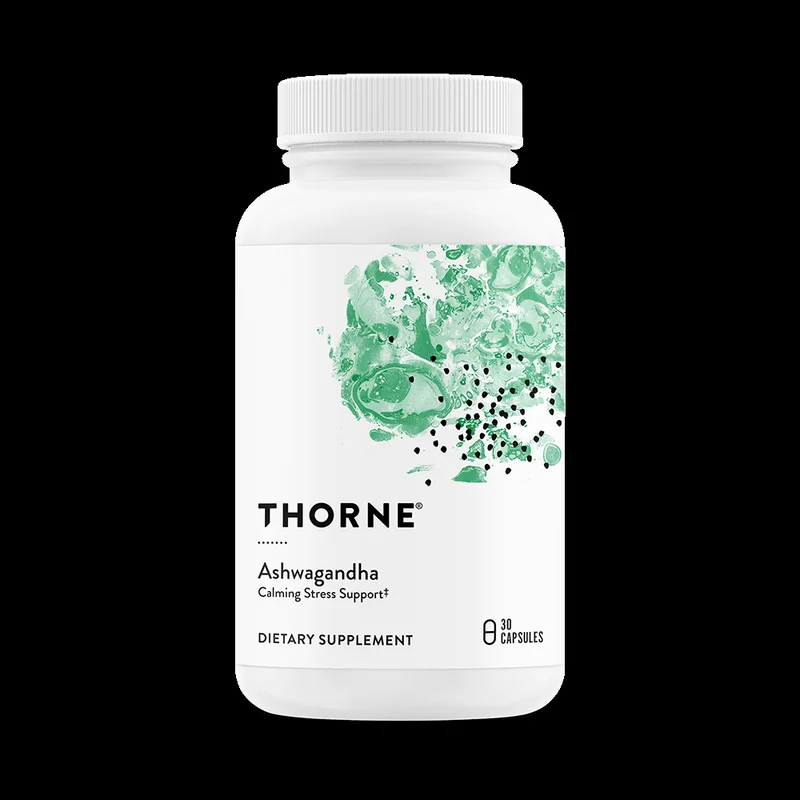
Supplements that support this
Turn this into your stack
Answer two questions and we'll build an evidence-graded starter stack — every ingredient with its dose, timing, and interaction checks.
Free · no account needed to start
Interactions to know
How these pair with other supplements and medications
- Warningashwagandha+thyroid medication
Ashwagandha can raise thyroid hormone levels and stack additively with levothyroxine, risking thyrotoxicosis.
- Warningashwagandha+sedatives
May enhance sedative effects
- Cautionashwagandha+ssri
Ashwagandha may enhance SSRI effects
- Synergyashwagandha+black pepper
Piperine may enhance ashwagandha absorption
Check your full stack in the free interaction checker.
Read next
Best Adaptogens for Stress: Ashwagandha vs Rhodiola vs Reishi
Three of the most-studied adaptogens, compared head-to-head on clinical evidence, mechanism, and which one fits which stress profile.
Best Supplements for PCOS: Evidence-Based Stack (2026)
Inositol, NAC, vitamin D, and magnesium all have meaningful PCOS evidence. Here's which ones actually move insulin, cycles, and fertility — and at what doses.
Best Supplements for Menopause: What Actually Works
Hot flashes, bone loss, sleep disruption, and mood changes — menopause is multi-system. Here's the evidence-based stack that addresses each without HRT.
Free, university-grade courses on longevity science — from cellular biology to building an evidence-based stack.
Evidence-based supplement guides, no spam
We send a short digest when new guides drop — nothing else. No affiliate pushes, no sponsored content, unsubscribe anytime.