Best Adaptogens for Stress: Ashwagandha vs Rhodiola vs Reishi
Three of the most-studied adaptogens, compared head-to-head on clinical evidence, mechanism, and which one fits which stress profile.
- Ashwagandha (KSM-66, 600 mg/day) has the strongest evidence for chronic stress — ~28% cortisol reduction vs placebo in the Chandrasekhar 2012 trial.
- Rhodiola rosea works fastest (30–60 min for acute effects) and is best for burnout, fatigue, and cognitive performance under pressure.
- Reishi has the weakest adaptogen evidence of the three but offers meaningful immune modulation and gentle sleep support.
- Mechanism matters: ashwagandha targets HPA-axis cortisol, rhodiola works through monoamine pathways, reishi modulates immune cytokines.
- Quality and standardization are non-negotiable — KSM-66 for ashwagandha, 3% rosavins for rhodiola, hot-water extract for reishi.
- You can stack them, but start one at a time so you can isolate what's actually helping.
The best adaptogens for stress depend on the type of stress you’re dealing with. Ashwagandha is the most clinically supported option for chronic, cortisol-driven stress and sleep disruption. Rhodiola rosea outperforms it for acute mental fatigue and burnout. Reishi rounds out the trio with gentler immune and sleep-quality benefits, though its adaptogenic evidence is thinner. Below, we compare all three head-to-head on mechanism, dosing, onset, and evidence quality.
What Actually Makes an Herb an “Adaptogen”
The term “adaptogen” was coined by Soviet pharmacologist Nikolai Lazarev in 1947 and later formalized by Israel Brekhman. To qualify, a substance must meet three criteria: it must be non-specific (help resist a range of stressors), it must promote homeostasis (normalize physiological function regardless of direction of imbalance), and it must be non-toxic at normal doses.
In practice, adaptogens modulate the hypothalamic-pituitary-adrenal (HPA) axis — the body’s central stress-response circuit. They don’t suppress cortisol the way a sedative would; they smooth out the peaks and valleys. That said, the term has become a marketing catch-all. Herbs like holy basil (tulsi), eleuthero (Siberian ginseng), and schisandra are sometimes grouped under the label, though their clinical evidence varies widely. We’re focusing on the three with the most relevant human data.
Ashwagandha: The Chronic-Stress Workhorse
Ashwagandha (Withania somnifera) is the most-studied adaptogen for chronic stress and anxiety. Its primary mechanism is HPA-axis modulation — specifically, reducing elevated cortisol. For a deep dive, see our full ashwagandha guide.
The landmark trial by Chandrasekhar et al. (2012) gave 64 adults with chronic stress 600 mg/day of KSM-66 ashwagandha root extract for 60 days. The treatment group saw a 27.9% reduction in serum cortisol compared to placebo, along with significant drops in all stress-assessment scales. A meta-analysis by Pratte et al. (2014) pooled five RCTs and confirmed significant anxiolytic effects across multiple outcome measures.
Lopresti et al. (2019) extended the evidence to sleep, showing that 600 mg/day of ashwagandha improved sleep onset latency and sleep quality in both anxious and healthy adults over 8 weeks. If chronic stress is wrecking your sleep, ashwagandha is likely your first pick — it fits neatly alongside a broader sleep supplement protocol.
Onset: 4–8 weeks for full anxiolytic and cortisol effects. Not an acute fix.
Best for: Chronic stress with elevated cortisol, generalized anxiety, stress-related sleep disruption.
Dose: 600 mg/day of KSM-66 or Sensoril root extract, taken with food.
Rhodiola Rosea: The Acute Performance Enhancer
Rhodiola rosea works through a different mechanism than ashwagandha. Rather than primarily targeting cortisol, it modulates monoamine neurotransmitters — serotonin, dopamine, and norepinephrine — via the sympathoadrenal-medullary (SAM) system and phosphodiesterase inhibition. This makes it more of a mental-energy and anti-fatigue agent than a sedating anxiolytic.
Kasper & Dienel (2017) ran a 12-week RCT of 118 adults with burnout syndrome. Rhodiola extract (200 mg, standardized to 3% rosavins) significantly reduced emotional exhaustion, fatigue, and impaired concentration starting at week 1, with continued improvement through week 12. Moderate evidence Olsson et al. (2009) showed that 576 mg/day of SHR-5 rhodiola extract improved fatigue scores, attention, and cortisol response in burnout patients over 28 days. Moderate evidence
For cognitive performance under acute stress, Shevtsov et al. (2003) demonstrated that a single dose of rhodiola improved mental work capacity in fatigued physicians during night shifts. Emerging evidence If you’re interested in stacking rhodiola with other cognitive enhancers, our nootropics guide covers how it fits into a broader stack.
Onset: 30–60 minutes for acute effects; 1–4 weeks for sustained burnout reduction.
Best for: Acute mental fatigue, burnout, cognitive performance under deadline pressure.
Dose: 200–600 mg/day standardized to 3% rosavins and 1% salidroside, taken in the morning.
Reishi Mushroom: The Immune-Sleep Bridge
Reishi (Ganoderma lucidum) is the outlier in this comparison. Its adaptogenic credentials are debated — it doesn’t fit the classic HPA-axis or SAM-system framework as cleanly as ashwagandha or rhodiola. Its primary mechanism is immunomodulatory: beta-glucans and triterpenes modulate cytokine production and natural killer cell activity.
Where reishi does show promise for stress is through sleep quality and subjective well-being. A pilot study in breast cancer patients (Zhao et al., 2012) found that 4 weeks of reishi spore powder improved fatigue and quality of life scores. Emerging evidence Traditional use and preliminary data suggest it promotes calmness and sleep onset, possibly via GABAergic activity, though human trials are limited. Wachtel-Galor et al. (2011) provided a thorough safety review concluding that hot-water reishi extracts are well-tolerated with minimal adverse effects. Moderate evidence
If you’re drawn to medicinal mushrooms for cognitive benefits, lion’s mane has stronger nootropic evidence. Reishi is better framed as an immune-plus-sleep support rather than a direct anti-stress tool.
Onset: Subtle; typically 2–4 weeks for noticeable effects on sleep or well-being.
Best for: Immune support with mild sleep and calm benefits; stress as a secondary concern.
Dose: 1–1.5 g/day of hot-water extract (fruiting body), taken in the evening.
Head-to-Head Comparison
| Ashwagandha (KSM-66) | Rhodiola Rosea | Reishi | |
|---|---|---|---|
| Primary mechanism | HPA-axis / cortisol reduction | SAM system / monoamines | Immune cytokine modulation |
| Best-supported use | Chronic stress, anxiety, sleep | Acute fatigue, burnout, cognition | Immune support, gentle sleep aid |
| Standard dose | 600 mg/day | 200–600 mg/day (3% rosavins) | 1–1.5 g/day hot-water extract |
| Onset | 4–8 weeks | 30–60 min acute; 1–4 wk burnout | 2–4 weeks (subtle) |
| Evidence quality | Strong (RCTs, meta-analyses) | Moderate (good RCTs, smaller samples) | Emerging (limited human stress RCTs) |
| Cycling needed? | No — daily long-term supported | Yes — 4 weeks on / 1–2 off | No — daily long-term appears safe |
How to Choose: A Decision Tree
Rather than guessing, match the adaptogen to your stress profile:
Your stress is chronic, generalized, and wrecking your sleep → Start with ashwagandha. The cortisol and sleep data are the strongest of the three, and it doesn’t need cycling. Give it a full 8-week trial at 600 mg/day before judging.
Your stress is performance-related — deadlines, mental fog, burnout → Start with rhodiola. You’ll notice effects faster, and it pairs well with caffeine for focused work blocks. Take it in the morning (it can mildly disrupt sleep if dosed late).
Your stress is moderate but you also get sick often → Reishi is the dual-purpose option. Don’t expect dramatic stress relief, but the immune and sleep-quality benefits may ease the overall load.
You’re not sure → Ashwagandha is the safest default. It has the deepest evidence base and the broadest applicability.
Can You Stack Them?
Yes, and many people do. Ashwagandha in the evening (for cortisol and sleep) plus rhodiola in the morning (for focus and anti-fatigue) is one of the more logical stacks because the mechanisms are complementary rather than redundant. Adding reishi in the evening can layer in immune support.
There are no published trials on the combination of all three simultaneously. We’re extrapolating from individual safety profiles and non-overlapping mechanisms. If you take prescription medications — especially thyroid drugs, immunosuppressants, or SSRIs — consult your doctor before stacking.
Quality and Form Matters
Adaptogens are only as good as the extract you buy. Generic root powders are not the same as standardized extracts used in clinical trials. Here’s what to look for:
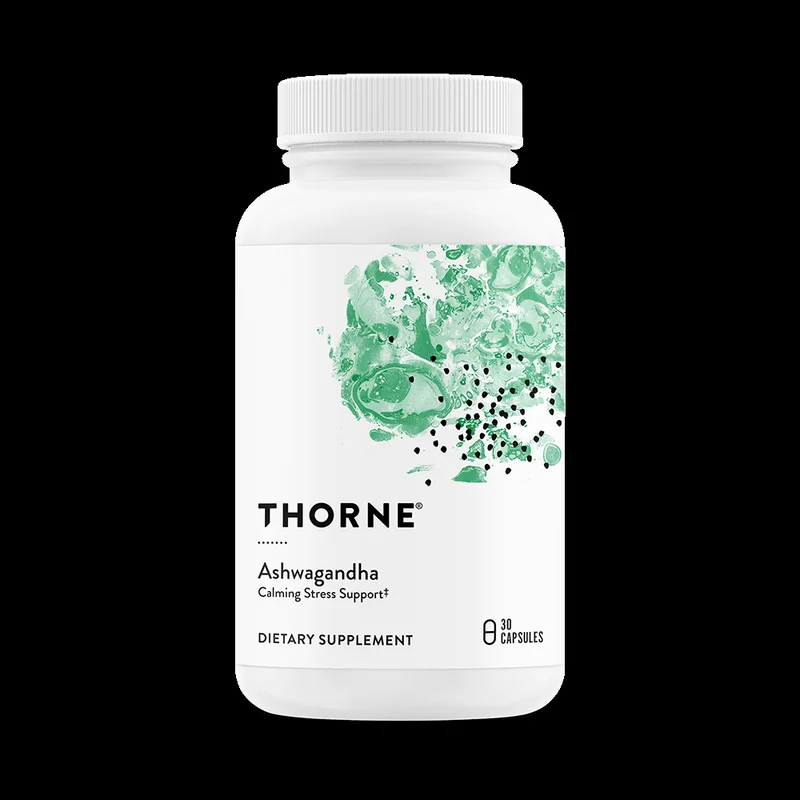
Ashwagandha: KSM-66 (full-spectrum root extract, 5% withanolides) or Sensoril (root + leaf, higher withanolide content) are the two most-studied branded extracts. Generic “ashwagandha root powder” in bulk capsules likely won’t match trial results.
Rhodiola: Look for standardization to 3% rosavins and 1% salidroside — this matches the SHR-5 extract used in most positive trials. Some products are standardized only to salidroside, which may shift the effect profile.
Reishi: Hot-water extraction from fruiting bodies is essential — it liberates the beta-glucans that drive immunomodulatory effects. Mycelium-on-grain products (common in the U.S.) contain significant starch filler and lower beta-glucan content. Check the supplement facts panel for “beta-glucan” content.
Frequently Asked Questions
Are adaptogens safe during pregnancy or breastfeeding?
There is insufficient safety data for ashwagandha, rhodiola, or reishi during pregnancy or breastfeeding. Ashwagandha has traditional use in Ayurveda during pregnancy, but modern safety studies in pregnant women are lacking. Rhodiola and reishi have even less data in this population. The safest approach is to avoid all three unless your OB/midwife specifically approves them. Don’t rely on “natural = safe” reasoning.
Will adaptogens interact with my SSRI or anxiety medication?
Ashwagandha may potentiate GABAergic and serotonergic medications, theoretically amplifying sedation or increasing serotonin levels. Rhodiola modulates monoamine neurotransmitters and could interact with SSRIs, MAOIs, or stimulant medications. Reishi is the least concerning on this front but may interact with immunosuppressants or anticoagulants. If you’re on any prescription psychiatric medication, talk to your prescriber before starting an adaptogen.
How long should I take an adaptogen before deciding it doesn’t work?
Give ashwagandha a full 8-week trial at the proper dose — the cortisol-reduction data peaks around 60 days. Rhodiola can be assessed more quickly: if you don’t notice fatigue improvements within 2–4 weeks of daily use, it may not be the right fit. Reishi is the hardest to evaluate because its effects are subtle; 4–6 weeks is a reasonable minimum.
Can I develop tolerance to adaptogens?
Rhodiola is the most likely of the three to develop tolerance with continuous use, which is why cycling (4 weeks on, 1–2 off) is commonly recommended. Ashwagandha does not appear to lose efficacy over months of daily use in published trials up to 12 weeks. Reishi tolerance has not been systematically studied, but long-term traditional use suggests it remains effective.
Can I take adaptogens with caffeine?
Yes. Rhodiola pairs particularly well with caffeine for focused work — the anti-fatigue and cognitive effects are complementary. Ashwagandha is slightly calming, so it can blunt caffeine jitters without negating alertness in most people. Reishi is neutral to mildly calming and won’t significantly interact with caffeine. None of the three have documented negative interactions with moderate caffeine intake.
Are there adaptogens better than these three?
Holy basil (tulsi), eleuthero (Siberian ginseng), and schisandra are sometimes cited as adaptogens. Holy basil has moderate anxiolytic evidence; eleuthero has older Soviet-era studies that are harder to verify by modern standards; schisandra has some anti-fatigue data. None match the depth of evidence behind ashwagandha and rhodiola for stress. They’re worth exploring if the big three don’t work for you, but start with stronger evidence first.
Who Should Talk to a Doctor First
Adaptogens are generally well-tolerated, but certain populations need medical clearance before starting.
None of the above is medical advice. Bring your full supplement list to your next provider visit.
- 1
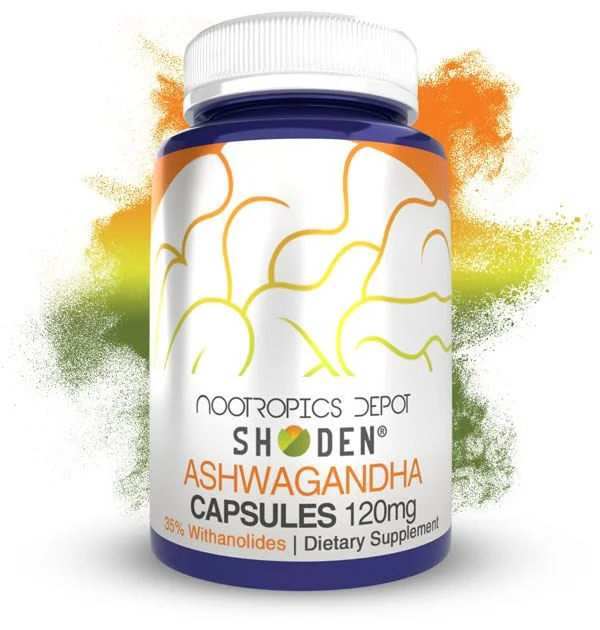 Shoden® Ashwagandha CapsulesNootropics Depot · $19.9895
 - 2
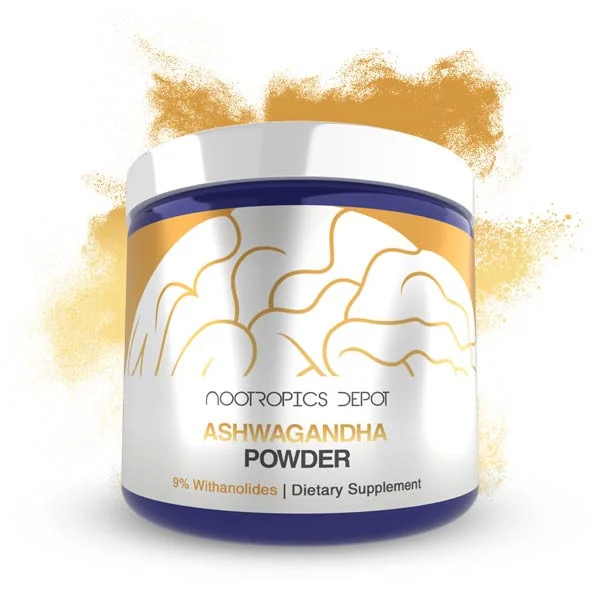 Ashwagandha Extract PowderNootropics Depot · $19.9993
 - 3
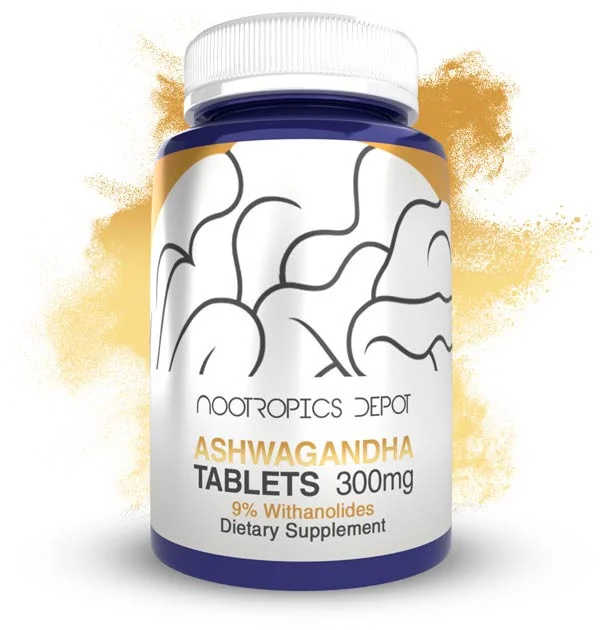 Ashwagandha Extract TabletsNootropics Depot · $19.9993
 - 4
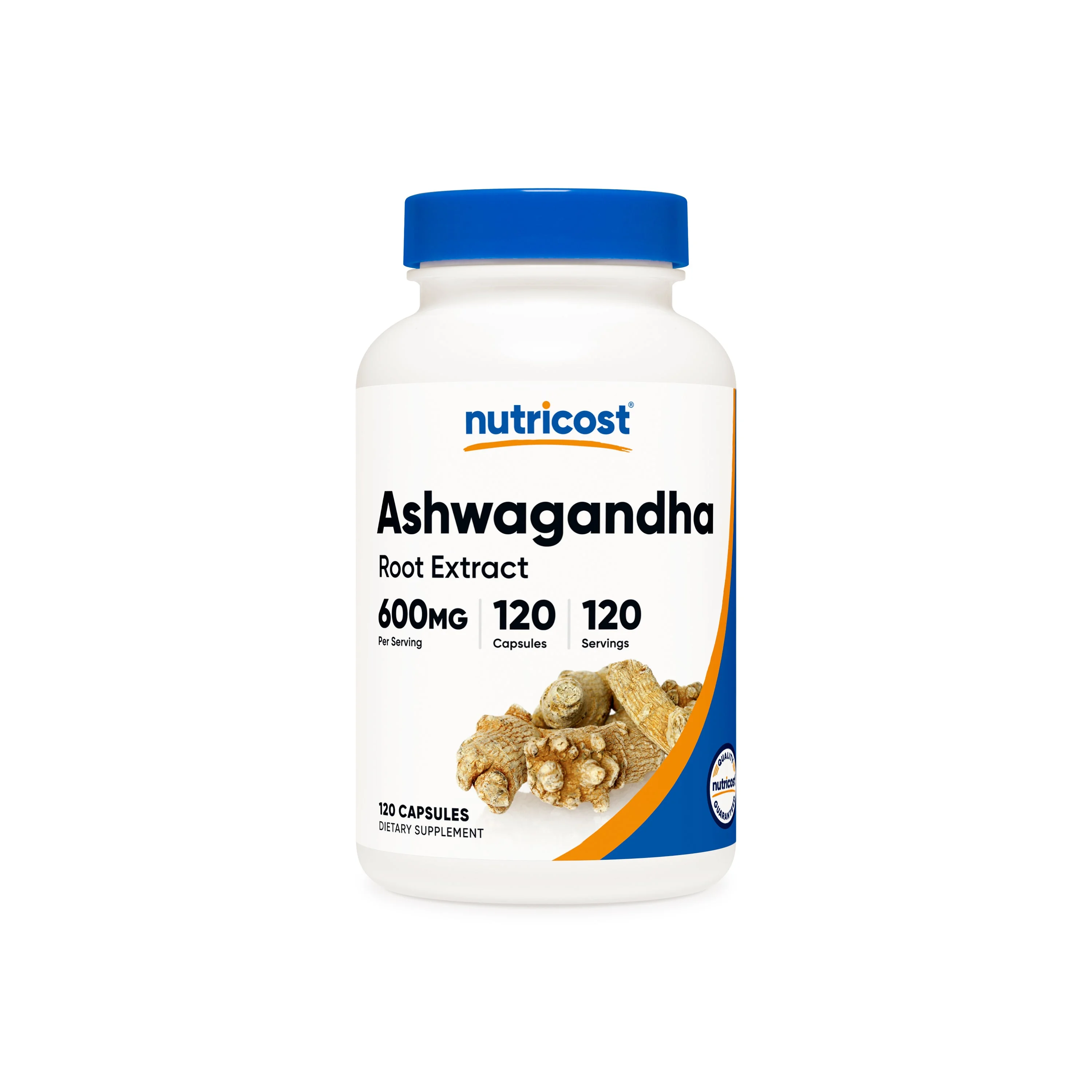 Ashwagandha Root CapsulesNutricost · $16.9793
 - 5
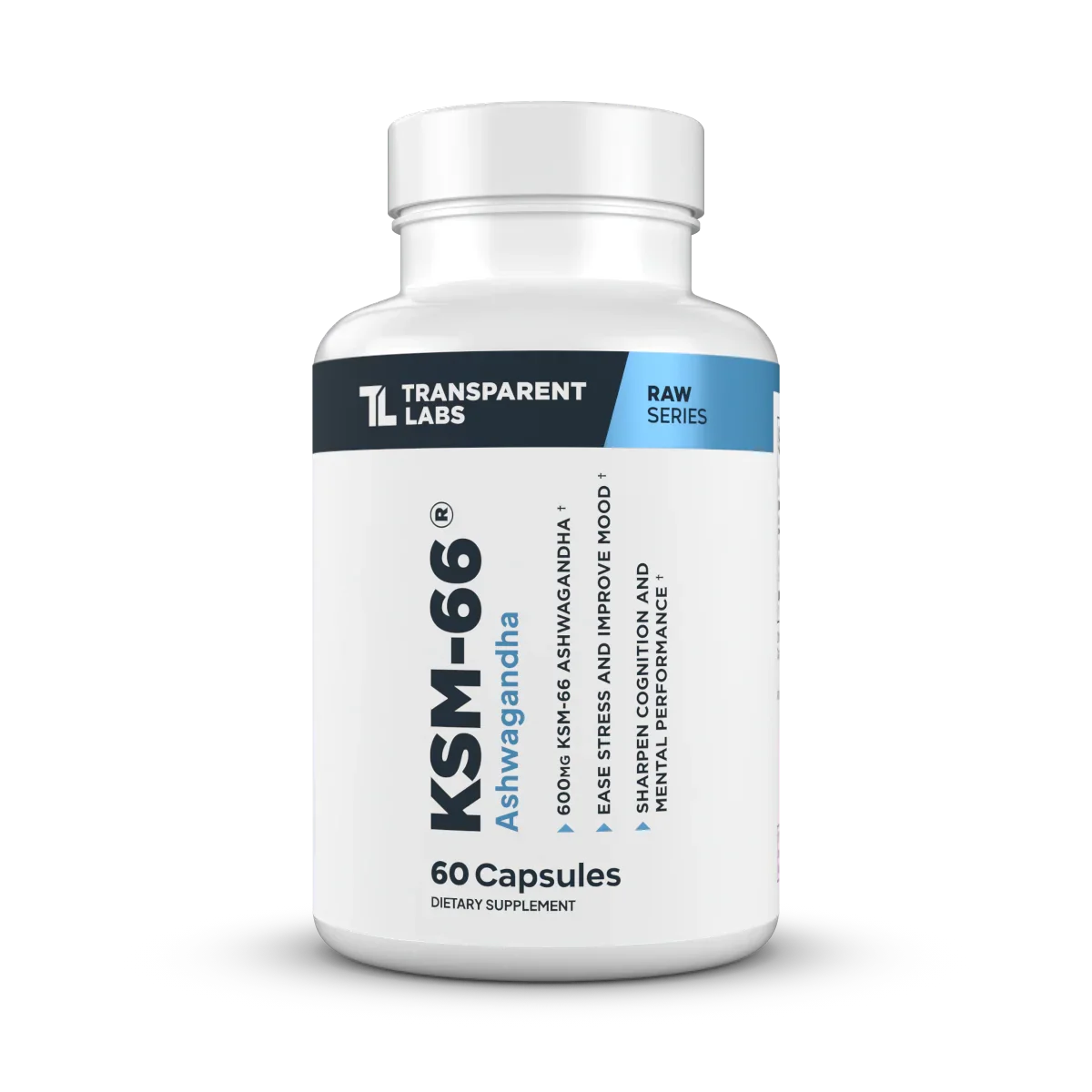 KSM-66 Ashwagandha SupplementTransparent Labs · $19.9893
Recomputed from the catalog every time this page is built, so it moves as products are added and rescored. Flavours and pack sizes of one product count once.
The Bottom Line
Adaptogens are not a magic bullet for stress — but the best-studied options do have real, measurable effects when matched to the right stress profile and taken at evidence-backed doses.
Ashwagandha is the strongest all-around choice for chronic stress. If your cortisol feels perpetually elevated — you’re wired at night, anxious during the day, sleeping poorly — 600 mg/day of KSM-66 has the deepest evidence behind it. Give it 8 weeks. It’s the adaptogen most likely to produce a noticeable shift in baseline anxiety and sleep quality.
Rhodiola is the better pick when your stress manifests as mental fatigue, brain fog, or burnout rather than generalized anxiety. It works faster, pairs well with a morning routine, and is particularly useful during high-demand periods. Just remember to cycle it.
Reishi is the gentlest and least proven of the three as a stress-specific intervention. Its real strength is immune modulation with a side benefit of mild calm and sleep support. It’s a reasonable add-on, not a standalone stress solution.
Whichever you choose, quality matters enormously. A generic powder in an unlabeled capsule is not the same product that produced results in clinical trials. Look for branded, standardized extracts with third-party testing. Start one adaptogen at a time, run it at the right dose for the right duration, and evaluate honestly before stacking or switching.
Stress is multifactorial. No supplement replaces sleep hygiene, physical activity, social connection, or professional mental health support when needed. But if you’ve got the foundations in place and want targeted botanical support, these three adaptogens — chosen correctly — are among the most evidence-backed options available.
Supplements that support this
Turn this into your stack
Answer two questions and we'll build an evidence-graded starter stack — every ingredient with its dose, timing, and interaction checks.
Free · no account needed to start
Interactions to know
How these pair with other supplements and medications
- Warningashwagandha+thyroid medication
Ashwagandha can raise thyroid hormone levels and stack additively with levothyroxine, risking thyrotoxicosis.
- Warningashwagandha+sedatives
May enhance sedative effects
- Cautionrhodiola+ssri
Rhodiola may have mild MAOI effects
- Cautionashwagandha+ssri
Ashwagandha may enhance SSRI effects
- Synergyashwagandha+black pepper
Piperine may enhance ashwagandha absorption
Check your full stack in the free interaction checker.
Read next
Ashwagandha Guide 2026: Clinical Evidence Reviewed
Learn which ashwagandha extract actually matches the RCT evidence — KSM-66, Sensoril, or generic powder — and what cortisol, anxiety, and testosterone data show.
Weighted Blankets: What the Trials Show for Sleep and Anxiety
One striking insomnia trial, one negative trial in autistic children, and a blinding problem in all of them. What weight to choose, the heat trade-off, and who should never use one.
Ashwagandha for Testosterone: What the Evidence Actually Shows
Ashwagandha shows modest but real testosterone effects in men — especially stressed or sedentary men. Here's how the mechanism works and whether you'll notice.
How the stress response works, good vs. bad stress, and the levers that build resilience.
Evidence-based supplement guides, no spam
We send a short digest when new guides drop — nothing else. No affiliate pushes, no sponsored content, unsubscribe anytime.