Ashwagandha Guide 2026: Clinical Evidence Reviewed
Learn which ashwagandha extract actually matches the RCT evidence — KSM-66, Sensoril, or generic powder — and what cortisol, anxiety, and testosterone data show.
- Ashwagandha reduces cortisol by ~28% in chronically stressed adults (strong RCT evidence)
- Extract type matters enormously — KSM-66 (5% withanolides) for general use, Sensoril (10%) for sleep/anxiety
- Cycle 8–12 weeks on, 2–4 weeks off as a precautionary default
- Skip entirely if you have autoimmune conditions, thyroid issues, or are pregnant
Ashwagandha is one of the few herbal supplements where the clinical evidence is genuinely interesting — multiple trials show measurable effects on cortisol, sleep quality, and stress perception. However, the form you take matters enormously: most products on shelves are not the same thing used in the studies, making extract type the single most important variable.
What Ashwagandha Actually Is
Ashwagandha (Withania somnifera) is a small shrub native to India and Southeast Asia. It’s been used in Ayurvedic medicine for centuries, which is either reassuring or meaningless depending on how you feel about traditional medicine. What matters for our purposes is what modern randomized controlled trials have found — and there are now enough of them to draw real conclusions.
The active compounds are called withanolides — a class of steroidal lactones found in the plant’s roots and leaves. The concentration of withanolides varies wildly between products, which is why the extract you choose is the single most important decision you’ll make. More on that in a moment.
The Evidence: Where It’s Strong
Cortisol and Stress Response
This is ashwagandha’s strongest claim. A 2012 double-blind RCT by Chandrasekhar et al., published in the Indian Journal of Psychological Medicine, gave 64 chronically stressed adults either 600mg of full-spectrum ashwagandha root extract or placebo for 60 days. The ashwagandha group showed a 27.9% reduction in serum cortisol compared to baseline, versus a negligible change in the placebo group. Perceived stress scores dropped significantly on every validated scale they used.
A 2019 RCT by Lopresti et al. in Medicine confirmed this with 240mg of a high-concentration extract (Shoden®, 35% withanolides), finding significant reductions in both cortisol and self-reported stress at 60 days. The cortisol reduction is not subtle — it’s one of the larger effect sizes you’ll see in herbal supplement research.
Anxiety
A 2014 systematic review by Pratte et al. in the Journal of Alternative and Complementary Medicine analyzed five human trials and found that ashwagandha consistently outperformed placebo on anxiety measures, including the Hamilton Anxiety Rating Scale. The effect sizes ranged from moderate to large. This isn’t “maybe it helps a little” territory — the signal is clear.
That said, ashwagandha is not a replacement for clinical anxiety treatment. If you have diagnosed anxiety, it’s a conversation with your doctor, not a DIY project.
Sleep Quality
A 2019 double-blind RCT by Langade et al. in Cureus found that 600mg of ashwagandha root extract significantly improved sleep quality, sleep onset latency, and overall restfulness in both healthy adults and people with insomnia over 10 weeks. The somnifera in the Latin name literally means “sleep-inducing,” and the data backs it up.
If you’re building a sleep protocol, ashwagandha is worth considering alongside other evidence-based options. Our sleep supplement protocol guide covers how to layer these intelligently.
The Evidence: Where It’s Moderate
Testosterone and Male Fertility
Several studies suggest ashwagandha can increase testosterone in men, though the effects are modest in healthy young men and more pronounced in older or stressed populations. A 2019 RCT by Lopresti et al. in American Journal of Men’s Health found a 14.7% increase in testosterone over 8 weeks with 600mg of KSM-66. A 2010 study by Ahmad et al. in Fertility and Sterility showed improved semen parameters in infertile men.
Don’t expect this to turn you into a different person. The testosterone increase is real but relatively small — think of it as optimizing within your natural range, not a pharmacological intervention.
Athletic Performance
A 2015 study by Wankhede et al. in the Journal of the International Society of Sports Nutrition found that 600mg of KSM-66 combined with resistance training produced greater increases in muscle strength (bench press and leg extension) and muscle size compared to placebo over 8 weeks. Recovery markers also improved. The effect is real but modest — don’t expect it to replace creatine or good programming.
The Form Matters More Than the Brand
This is the part most people get wrong. “Ashwagandha” on a label tells you almost nothing. The extract type determines the withanolide concentration, which determines whether you’re taking what was actually studied or an underpowered generic.
KSM-66®
The most-studied branded extract, made from roots only using a “Green Chemistry” water-based extraction. Standardized to 5% withanolides. This is the extract used in the majority of positive clinical trials. If you’re taking ashwagandha for stress, testosterone, or athletic performance, KSM-66 is the default recommendation.
Sensoril®
Made from both roots and leaves, standardized to 10% withanolides (higher concentration). Sensoril tends to be more calming and sedating, which makes it better suited for anxiety and sleep. The higher withanolide content means you need a lower dose — 125–250mg vs. 600mg for KSM-66.
Generic Root Powder
Unextracted root powder typically contains only 1–2% withanolides. You’d need to take several grams to match the withanolide content of a single capsule of KSM-66 or Sensoril. Many budget products use this and don’t disclose it clearly. Check the Supplement Facts panel for the extract ratio or withanolide percentage — our guide to reading supplement labels shows you exactly what to look for.
Dosing: What the Studies Used
Dosing depends entirely on which extract you’re taking:
- KSM-66: 600mg per day (typically split into two 300mg doses, or taken as a single dose). This is the dose used in most KSM-66 trials.
- Sensoril: 125–250mg per day. The higher withanolide concentration means less is needed.
- Generic root extract (2.5% withanolides): 300–600mg per day, but results are less predictable because standardization varies.
Timing: Morning or Evening?
This depends on your goal:
- For stress and cortisol: Morning with breakfast. Cortisol naturally peaks in the morning, and taking ashwagandha early helps blunt the stress response throughout the day.
- For sleep: 30–60 minutes before bed. Sensoril is particularly good here due to its stronger calming effect.
- For general use (KSM-66 at 600mg): Split into 300mg morning and 300mg evening, or take the full dose with whichever meal is most consistent for you.
For detailed guidance on scheduling ashwagandha alongside other supplements, see our comprehensive supplement timing guide.
Ashwagandha and Liver Safety: What the Recent Case Reports Show
Ashwagandha and liver safety became a serious discussion topic after a wave of hepatotoxicity case reports emerged between 2021 and 2023. This isn't fearmongering from anti-supplement blogs — these are documented cases in peer-reviewed journals and federal databases, and you should know what they actually say.
Björnsson et al. (2020) published a case series in Journal of Hepatology identifying ashwagandha as a cause of herb-induced liver injury, with several cases showing cholestatic or mixed-pattern hepatotoxicity. The U.S. Drug-Induced Liver Injury Network (DILIN) subsequently flagged additional cases through 2023, some requiring hospitalization. Iceland went as far as issuing a regulatory warning. Emerging evidence
Here's the critical nuance most coverage misses: the products implicated tend to be high-dose formulations containing leaf extracts rich in withaferin A — a cytotoxic withanolide concentrated in leaves, not roots. Withaferin A has documented hepatotoxic potential in preclinical models. Root-only extracts like KSM-66 contain substantially less withaferin A, and none of the major KSM-66 clinical trials have reported liver injury at standard doses of 600mg/day over 8–12 weeks.
The overall incidence appears low — we're talking about dozens of case reports against millions of users — but "low risk" isn't "no risk." If you have pre-existing liver conditions, drink heavily, or take other hepatotoxic medications (acetaminophen, statins, certain antibiotics), your threshold for concern should be lower. Consult your healthcare provider before starting.
To minimize risk: stick with root-only extracts from brands that provide third-party testing (NSF, USP, or Informed Sport certification), avoid products listing "leaf" or "whole plant" on the Supplement Facts panel, and don't exceed studied doses. Our guide to reading supplement labels can help you identify what's actually in the bottle. If you're stacking ashwagandha with other supplements, check our beginner longevity stack guide for safe layering strategies.
Ashwagandha for Women: Hormones, Cycle Effects, and What the Research Actually Shows
Ashwagandha for women is one of the most searched supplement topics online, yet most clinical trials — and most guides, including this one until now — have been functionally male-default. The testosterone and fertility studies that get cited everywhere? Almost exclusively male cohorts. That doesn't mean ashwagandha is ineffective for women. It means the evidence base has gaps you should know about before drawing conclusions.
What We Know About Hormonal Effects in Women
Ashwagandha appears to modestly increase DHEA-S in both sexes. A 2019 RCT by Lopresti et al. found significant DHEA-S increases alongside cortisol reduction — but the downstream hormonal implications differ for women. DHEA-S is a precursor to both testosterone and estrogen, so the net effect on your hormonal profile depends on your baseline levels and individual metabolism. There's no strong evidence that ashwagandha meaningfully raises estrogen or testosterone in women at standard doses, but the research simply hasn't been designed to answer this question rigorously.
PCOS and Cycle Effects
A small 2023 pilot study by Gopal et al. in Cureus suggested ashwagandha may improve markers of hormonal balance in women with PCOS, including reductions in testosterone and improvements in cycle regularity. Emerging evidence However, this was a single small trial. If you have PCOS, this is a "worth watching" result, not a treatment protocol. Consult your healthcare provider before using ashwagandha alongside metformin, spironolactone, or other PCOS-related medications.
Safety with Hormonal Contraception
There are no published studies examining interactions between ashwagandha and hormonal contraceptives. Its thyroid-stimulating and cortisol-lowering effects are theoretically relevant to hormonal balance, but no adverse interactions have been documented. That said, absence of evidence is not evidence of absence. If you're on combined oral contraceptives or progestin-only methods, there's no established reason to avoid ashwagandha — but flag it with your prescriber.
A Framework for Deciding
Ask yourself what you're actually after. Stress and sleep? The evidence is strong regardless of sex — pick your extract (KSM-66 or Sensoril) based on your primary goal and follow the dosing above. Hormonal optimization, cycle regulation, or fertility? The data for women is emerging at best. You're essentially an early adopter, and you should treat it that way: track your cycle, monitor how you feel, and don't assume the male-derived hormonal data applies to you. For building a broader stress-management stack, our beginner longevity stack guide covers how ashwagandha fits alongside foundational supplements.
How to Verify Quality: Third-Party Testing and What to Look For on the Label
Knowing how to choose an ashwagandha supplement comes down to reading labels critically — not trusting front-of-package marketing. Even if a product claims to contain KSM-66 or Sensoril, you have no guarantee of purity, potency, or heavy metal testing unless an independent lab has verified it. That's where third-party certifications earn their value.
Certifications That Actually Matter
USP Verified is the gold standard for general consumers. The U.S. Pharmacopeia tests for identity, potency, contaminants, and manufacturing practices. NSF Certified for Sport and Informed Sport go further by screening for banned substances — critical if you're a tested athlete, but also a strong quality signal for anyone. If a product carries any of these three marks, it's passed a level of scrutiny most supplements never face. Strong evidence
What to Find on the Supplement Facts Panel
Flip the bottle and look for three things: the extract name (KSM-66, Sensoril, or Shoden — not just "ashwagandha root"), the withanolide percentage (≥5% for KSM-66, ≥10% for Sensoril, ≥35% for Shoden), and the extract ratio if listed. Reputable brands also make a certificate of analysis (COA) available on their website or by request, showing batch-specific test results for potency and contaminants like lead, arsenic, and cadmium.
Red Flags to Walk Away From
Avoid any product using a proprietary blend that lumps ashwagandha with other ingredients under a single combined weight — this obscures the actual dose. The phrase "ashwagandha complex" is another warning sign, often indicating a mix of generic root powder with trace amounts of standardized extract. If the label doesn't state a specific withanolide percentage, assume you're getting the 1–2% found in raw root powder. As covered in our guide to reading supplement labels, vague language almost always means an underpowered product.
Drug Interactions: A Practical Reference Table
Ashwagandha drug interactions are poorly documented in formal pharmacovigilance databases, but the herb's known pharmacological activity — GABAergic, serotonergic, thyroid-stimulating, hypoglycemic, and immunomodulatory — creates several plausible interaction pathways. The table below consolidates what's currently known so you can have a specific conversation with your prescriber rather than a vague one.
| Drug Class | Examples | Interaction Type | Risk Level | Recommendation |
|---|---|---|---|---|
| SSRIs / SNRIs | Sertraline, fluoxetine, venlafaxine | Additive serotonergic activity — theoretical risk of serotonin syndrome | Moderate | Do not combine without physician approval |
| Benzodiazepines | Alprazolam, lorazepam, diazepam | Additive CNS depression via GABAergic potentiation (Mehta et al., 2012) | Moderate–High | Avoid, or use only under medical supervision |
| Thyroid medications | Levothyroxine, liothyronine | Ashwagandha increases T3 and T4 (Sharma et al., 2018), potentially destabilizing managed hypothyroidism | High | Avoid — requires thyroid panel monitoring at minimum |
| Diabetes medications | Metformin, insulin, sulfonylureas | Additive blood glucose lowering — risk of hypoglycemia (Andallu & Radhika, 2000) | Moderate | Monitor blood glucose closely; consult your prescriber |
| Immunosuppressants | Cyclosporine, tacrolimus, mycophenolate | Ashwagandha stimulates Th1 immune activity, directly counteracting immunosuppressive therapy | High | Do not combine — may trigger rejection or flare |
| Sedatives / Anesthetics | Propofol, barbiturates, general anesthesia | Additive CNS depression; may prolong sedation | High | Discontinue at least 2 weeks before scheduled surgery |
Notice the pattern: most risks stem from ashwagandha amplifying what your medication already does. It pushes thyroid hormones higher, blood sugar lower, and sedation deeper. That's not inherently dangerous in isolation, but stacking it on top of a drug designed to do the same thing narrows your safety margin considerably. Emerging evidence
If you're unmedicated and healthy, ashwagandha drug interactions aren't a practical concern. If you take anything from the table above, this supplement moves from "try it and see" to "get your doctor's sign-off first." For more on how ashwagandha fits into a broader protocol, see our beginner longevity stack guide.
Who Should Not Take Ashwagandha
Ashwagandha is generally well-tolerated, but there are real contraindications — not just boilerplate warnings:
- Autoimmune conditions (lupus, rheumatoid arthritis, Hashimoto’s, MS): Ashwagandha stimulates immune activity, which is the opposite of what you want when your immune system is already attacking your own tissue.
- Thyroid conditions: Ashwagandha has been shown to increase T3 and T4 thyroid hormones in multiple studies. If you’re on thyroid medication (levothyroxine), it can destabilize your dosing. If you have hyperthyroidism, it could make things worse.
- Pregnancy and breastfeeding: Insufficient safety data. Traditional Ayurvedic texts actually classify it as an abortifacient at high doses. Don’t risk it.
- Surgery within 2 weeks: It may potentiate sedatives and anesthesia, and its mild blood-sugar-lowering effect could complicate perioperative management.
Is It Safe Long-Term?
This is the question everyone asks, and the honest answer is: probably, but the data is limited. Most clinical trials run 8–12 weeks. We don’t have 5-year safety data from controlled studies.
What we do have: centuries of traditional use, no serious adverse events in published trials at standard doses, and a 2020 safety review by Tandon and Yadav in the Journal of Ethnopharmacology that found ashwagandha well-tolerated in doses up to 1,250mg daily for 30 days. Moderate evidence
A common practitioner recommendation is to cycle ashwagandha: take it for 8–12 weeks, then take 2–4 weeks off. This isn’t because there’s evidence of harm from continuous use — it’s a precautionary approach based on the principle that chronically suppressing cortisol may not be ideal, and adaptogensmay lose efficacy over time. Whether cycling is truly necessary is debated, but it’s a reasonable default.
How It Fits Into a Broader Stack
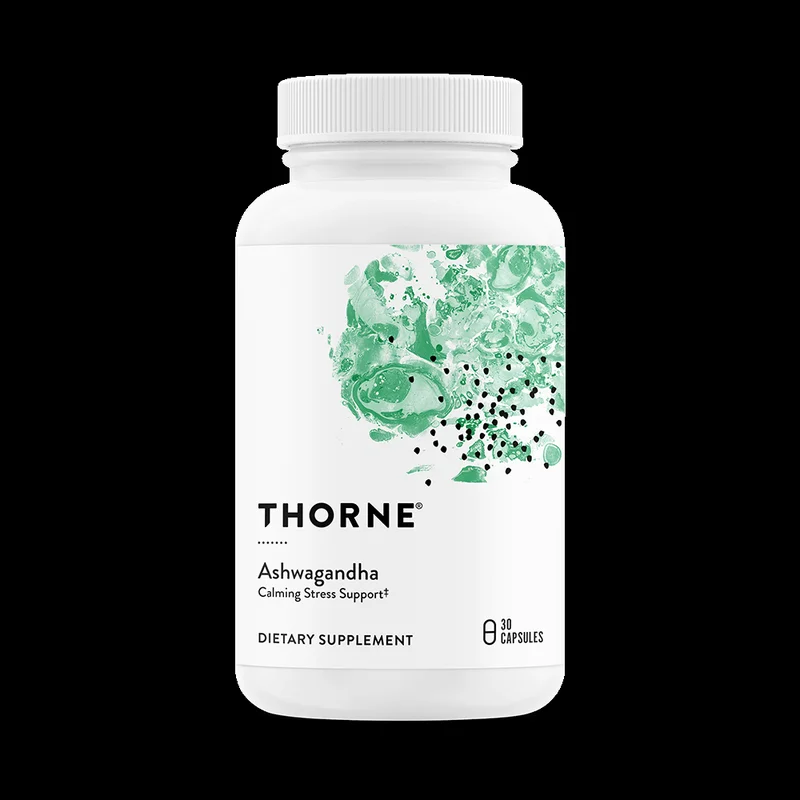
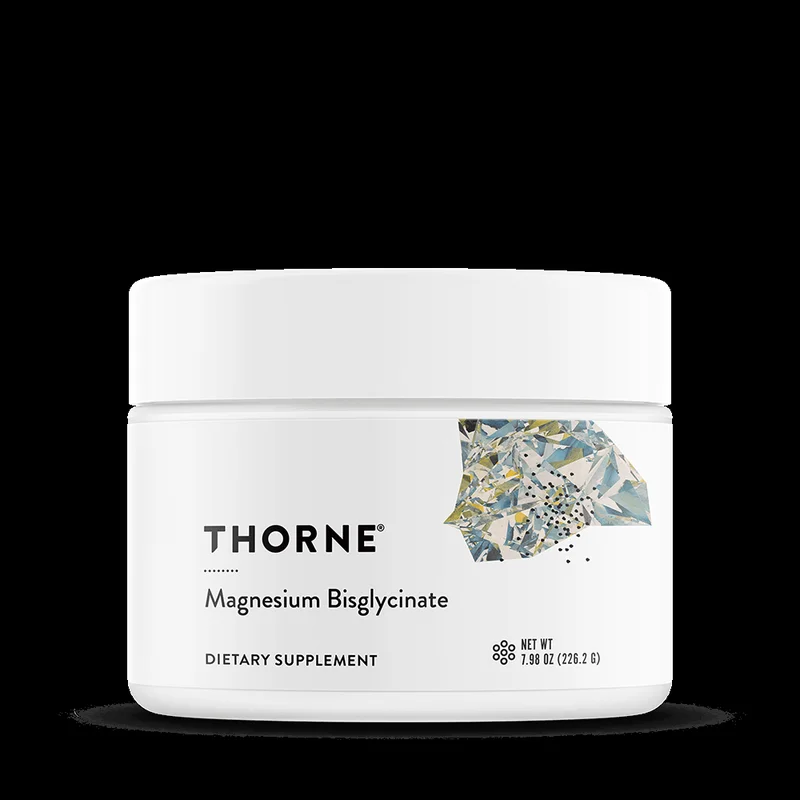
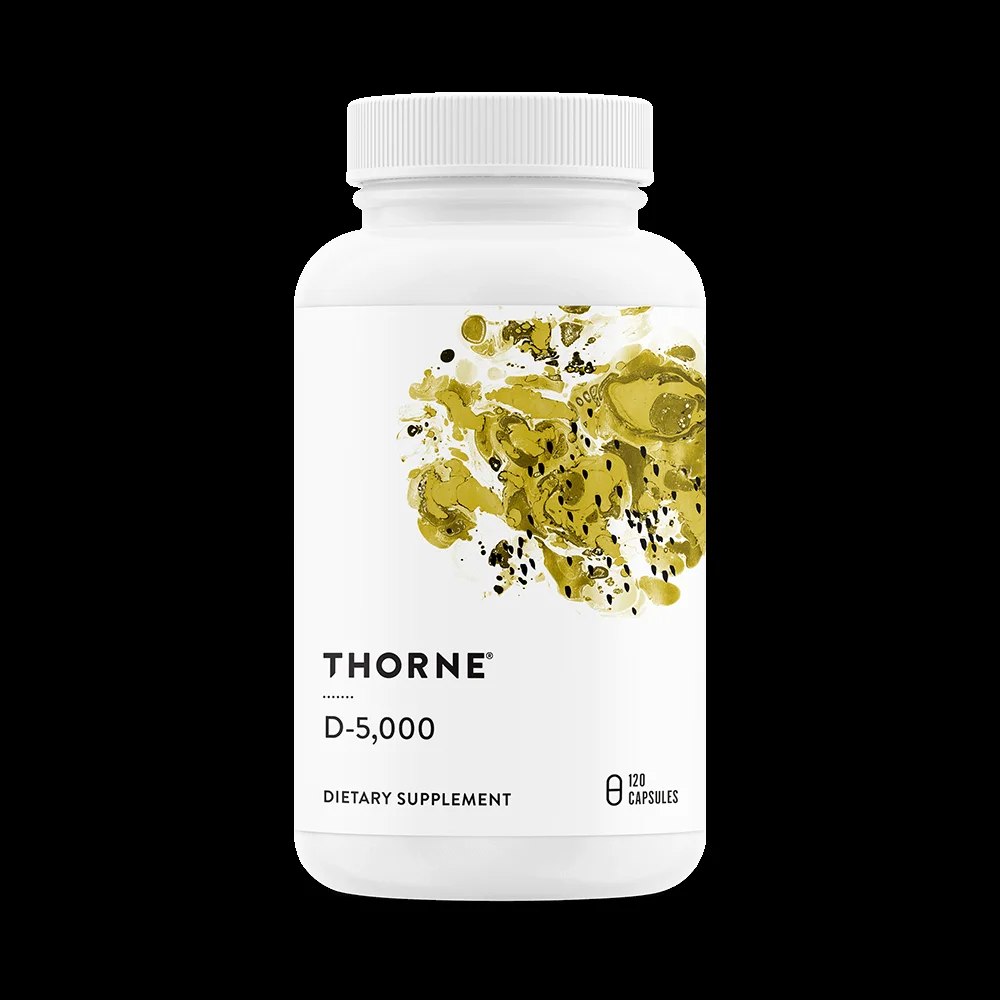
Ashwagandha pairs well with a few other supplements. For stress and cortisol management, magnesium glycinate in the evening is a natural complement. For a comprehensive longevity-focused approach, it fits neatly into a foundational stack alongside vitamin D, omega-3, and magnesium — see our beginner longevity stack guide for how to layer these together.
Frequently Asked Questions
Can ashwagandha cause weight gain?
Some people report increased appetite, which could lead to weight gain indirectly. The cortisol reduction may also normalize stress-related undereating in some people. In clinical trials, ashwagandha has been associated with modest increases in lean mass (via the Wankhede 2015 study), but not fat gain. If you gain weight on ashwagandha, it’s likely muscle tissue or simply eating more — not a direct pharmacological effect.
Does ashwagandha interact with antidepressants or anxiety medications?
Ashwagandha has GABAergic and serotonergic activity, meaning it could theoretically potentiate the effects of SSRIs, benzodiazepines, or other CNS-active medications. There are no well-documented dangerous interactions in the literature, but the theoretical risk is real enough that you should discuss it with your prescribing doctor before adding it. This is not a “just be safe” disclaimer — serotonin syndrome, while rare, is serious.
KSM-66 or Sensoril — which should I take?
For most people, KSM-66 at 600mg/day is the better starting point. It has more published trials, a broader evidence base (stress, performance, testosterone), and most people tolerate it well in the morning without drowsiness. Choose Sensoril at 125–250mg if your primary goal is sleep or anxiety and you want a more sedating effect. Some people use KSM-66 in the morning and Sensoril at night, though this approach hasn’t been formally studied.
How long does ashwagandha take to work?
Most people notice changes in stress reactivity and sleep quality within 2–4 weeks. The cortisol and testosterone data in trials typically reaches statistical significance at the 8-week mark. Don’t judge it after 3 days — this isn’t caffeine. Give it a full 8–12 week trial before deciding whether it’s working for you.
ashwagandha liver damage risk — is it real?
Yes, the risk is real and worth knowing. The guide's 2020 safety review found ashwagandha well-tolerated at standard doses, but peer-reviewed case reports published after 2021 — including Björnsson et al. (2022) and Drug-Induced Liver Injury Network data — document rare but serious cases of drug-induced liver injury linked to ashwagandha. These cases are uncommon, not clearly dose-dependent, and may involve product quality issues. If you develop jaundice, dark urine, or unusual fatigue while taking ashwagandha, stop immediately and see a doctor.
can I take ashwagandha every day or should I cycle it?
Daily use for a defined period is the practical approach. The guide recommends 8–12 weeks on, then 2–4 weeks off as a reasonable default — not because continuous use has demonstrated harm, but as a precaution against habituation and chronic cortisol suppression. The guide is explicit that whether cycling is strictly necessary is debated. A concrete signal to stop early: if you feel unusually fatigued, emotionally flat, or experience GI distress, that's reason to pause regardless of where you are in a cycle.
does ashwagandha affect women's hormones?
The guide doesn't cover this directly. Its hormone data focuses entirely on testosterone in men, and it doesn't address estrogen, DHEA, PCOS, or interactions with hormonal contraceptives. Ashwagandha does affect the HPA axis and may influence DHEA-S, which matters for women — but the guide provides no basis for specific claims here. Women with hormonal conditions or those on hormonal birth control should consult a physician before use, particularly given the guide's existing contraindications around thyroid and autoimmune conditions.
ashwagandha and thyroid — Hashimoto's specifically
The guide lists both autoimmune conditions and thyroid disorders as contraindications separately, and Hashimoto's is both. The guide's position is clear: ashwagandha stimulates immune activity (problematic when your immune system is attacking thyroid tissue) and raises T3 and T4 (potentially destabilizing for anyone on levothyroxine). Whether that applies equally to all Hashimoto's patients versus only those on medication isn't addressed. Given that Hashimoto's sits at the intersection of both contraindication categories, the conservative read is: don't take it without explicit physician sign-off.
which ashwagandha brands are actually third-party tested?
The guide doesn't name specific brands or third-party certifications. For quality verification, look for products carrying NSF Certified for Sport, USP Verified, or Informed Sport seals — these programs test for label accuracy, contaminants, and banned substances. Athletes concerned about contamination should prioritize NSF Certified for Sport or Informed Sport specifically. Beyond certification, confirm the Supplement Facts panel shows a standardized extract (KSM-66 or Sensoril) with disclosed withanolide percentage — the guide is explicit that unlabeled generics are unreliable.
ashwagandha and alcohol interaction
The guide doesn't address alcohol directly. Both ashwagandha and alcohol have CNS depressant properties — ashwagandha via GABAergic activity, alcohol via multiple mechanisms. The guide already flags that ashwagandha may potentiate benzodiazepines and sedatives; alcohol operates through overlapping pathways. Combining them may increase sedation, particularly with Sensoril taken in the evening. This is a gap in the guide's coverage. If you drink regularly or heavily, mention ashwagandha use to your doctor.
is KSM-66 worth the higher price over generic ashwagandha?
The guide makes a clear case that form determines efficacy. Generic root powder runs 1–2% withanolides; KSM-66 is standardized to 5%. To match one 600mg KSM-66 capsule, you'd need several grams of unextracted powder. The guide doesn't address specific price points, but the cost difference becomes less meaningful if you're taking four times the dose. The narrow exception: a generic that clearly discloses its withanolide percentage (e.g., 2.5–5%) at an appropriate dose. If that disclosure isn't on the label, assume it's underpowered.
The Bottom Line
Ashwagandha is one of the better-studied herbal supplements available. The evidence for cortisol reduction and stress management is strong. The evidence for anxiety and sleep is solid. The evidence for testosterone and athletic performance is moderate but real. The key is choosing a standardized extract — KSM-66 or Sensoril — at the doses actually used in clinical research. Generic root powder is not the same thing, regardless of what the marketing says.
Take it consistently, give it 8 weeks, cycle off periodically, and skip it entirely if you have autoimmune or thyroid issues. That’s the evidence-based approach — no hype required.
Supplements that support this
Turn this into your stack
Answer two questions and we'll build an evidence-graded starter stack — every ingredient with its dose, timing, and interaction checks.
Free · no account needed to start
Interactions to know
How these pair with other supplements and medications
- Warningashwagandha+thyroid medication
Ashwagandha can raise thyroid hormone levels and stack additively with levothyroxine, risking thyrotoxicosis.
- Warningashwagandha+sedatives
May enhance sedative effects
- Cautionashwagandha+ssri
Ashwagandha may enhance SSRI effects
- Synergyashwagandha+black pepper
Piperine may enhance ashwagandha absorption
Check your full stack in the free interaction checker.
Read next
Best Adaptogens for Stress: Ashwagandha vs Rhodiola vs Reishi
Three of the most-studied adaptogens, compared head-to-head on clinical evidence, mechanism, and which one fits which stress profile.
Ashwagandha for Testosterone: What the Evidence Actually Shows
Ashwagandha shows modest but real testosterone effects in men — especially stressed or sedentary men. Here's how the mechanism works and whether you'll notice.
Cold Plunge Benefits and Risks: What the Evidence Shows
Cold shock and drowning risk, what cold water does for mood and soreness, why plunging after lifting can blunt muscle growth, and who should avoid it.
How the stress response works, good vs. bad stress, and the levers that build resilience.
Evidence-based supplement guides, no spam
We send a short digest when new guides drop — nothing else. No affiliate pushes, no sponsored content, unsubscribe anytime.