Alpha-GPC vs Citicoline: Which Choline Source Actually Works?
Two of the most effective nootropics, both precursors to acetylcholine. We break down the evidence, dosing, bioavailability, and which one fits which goal.
- Alpha-GPC delivers ~40% choline by weight and raises brain acetylcholine fast — better for acute focus and athletic power output.
- Citicoline delivers ~18% choline but also provides cytidine (converts to uridine), supporting long-term neuroprotection and memory.
- Standard doses: Alpha-GPC 300–600 mg, Citicoline 250–500 mg. Per-serving cost ends up roughly similar.
- A 2021 observational study flagged Alpha-GPC for a possible stroke-risk association — worth monitoring if you have cardiovascular risk factors.
- Citicoline has a cleaner safety profile overall. Alpha-GPC is more likely to cause headaches.
- You can stack both, but most people should start with whichever matches their primary goal — acute performance vs. long-term brain health.
Alpha-GPC vs citicoline is the single most common comparison in the choline-supplement space, and for good reason: both are phospholipid-derived forms that actually cross the blood–brain barrier efficiently, unlike cheaper options like choline bitartrate. The short answer is that Alpha-GPC is the faster-acting choice for acute cognitive performance, while citicoline offers broader neuroprotective benefits over time.
The Choline Problem: Why Form Matters
Choline is an essential nutrient most adults don’t get enough of. It’s the direct precursor to acetylcholine — the neurotransmitter behind attention, memory encoding, and muscle contraction. Your body also uses it for cell membrane integrity and methylation.
The problem isn’t just intake. It’s delivery. Choline bitartrate is cheap but poorly crosses the blood–brain barrier. That means most of it stays peripheral — useful for liver health, less useful for cognition. Alpha-GPC and citicoline solve this by packaging choline in phospholipid structures the brain actually absorbs. If you’re supplementing choline for cognitive reasons, form isn’t a minor detail. It’s the whole game. Understanding what’s in your product matters — our guide on reading a supplement label covers why.
Alpha-GPC: Mechanism, Evidence, Best Use Cases
Alpha-GPC (L-alpha-glycerylphosphorylcholine) is roughly 40% choline by weight, the highest of any supplemental form. Once ingested, it rapidly crosses the blood–brain barrier and is cleaved into choline and glycerophosphate. Brain acetylcholine levels rise within 30–60 minutes.
The acute-performance evidence is solid. Bellar et al. (2015) found that 600 mg of Alpha-GPC increased isometric force production in resistance-trained athletes compared to placebo. Moderate evidence A study by Parker et al. (2015) showed improvements in vertical jump power after six days of supplementation at the same dose. Moderate evidence If you’re building a pre-workout protocol, Alpha-GPC is one of the few cognitive ingredients with real performance data behind it.
For age-related cognitive decline, there’s also positive data — particularly at higher clinical doses (1,200 mg/day) in Alzheimer’s patients (De Jesus Moreno, 2003) — but this evidence is older and hasn’t been replicated at the scale we’d like to see. Emerging evidence
Citicoline (CDP-Choline): Mechanism, Evidence, Best Use Cases
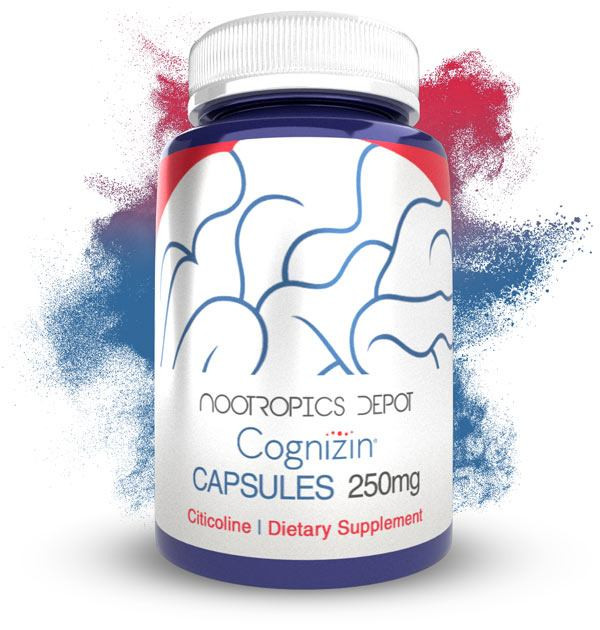
Citicoline (cytidine-5’-diphosphocholine) contains about 18% choline by weight — less than half what Alpha-GPC delivers. But citicoline’s real advantage is dual-pathway: once ingested, it’s broken into choline and cytidine. The cytidine converts to uridine, which supports phospholipid synthesis and neuronal membrane repair. You’re not just fueling acetylcholine — you’re building the structural scaffolding neurons sit in.
The long-term cognition evidence is more robust for citicoline than for Alpha-GPC. A 12-week RCT by McGlade et al. (2012) found that 250 mg/day of Cognizin® citicoline improved sustained attention and reduced impulsivity in healthy adolescents. Alvarez-Sabin et al. (2013) demonstrated improved cognitive outcomes in post-stroke patients receiving citicoline over 12 months. The Cochrane Review on citicoline for cognitive and behavioral disturbances (Fioravanti & Yanagi, 2005) found positive effects in older adults with memory problems, though study quality was mixed.
Citicoline also upregulates dopamine receptor density in some animal models, which may explain anecdotal reports of improved motivation — though this hasn’t been confirmed in human trials at standard doses.
Head-to-Head Comparison
| Feature | Alpha-GPC | Citicoline |
|---|---|---|
| Choline by weight | ~40% | ~18% |
| Additional metabolite | Glycerophosphate | Cytidine → Uridine |
| Onset speed | 30–60 min | 60–90 min |
| Primary strength | Acute focus, power output | Long-term memory, neuroprotection |
| Standard dose | 300–600 mg | 250–500 mg |
| Side effects | Headaches, GI upset at high doses | Very well-tolerated |
| Cost per serving | $0.15–0.40 | $0.20–0.50 |
| BBB penetration | Rapid | Efficient but slower |
| Safety flag | Observational stroke concern (Lee 2021) | None significant |
Who Should Take Alpha-GPC
If your primary goal is acute mental sharpness or physical performance, Alpha-GPC is the stronger pick. It fits naturally into pre-workout stacks, study-day protocols, and any situation where you want a noticeable boost within the hour. Athletes supplementing for power output have the best supporting data.
It’s also the better choice if you’re stacking with racetams or other nootropic compounds that increase acetylcholine demand — you need a fast, high-yield choline source to keep up. Read our broader nootropics guide for stacking logic.
Who Should Take Citicoline
If you’re optimizing for long-term brain health — memory maintenance after 40, post-concussion recovery, or daily neuroprotective insurance — citicoline is the better-supported option. The uridine pathway gives it a structural advantage that Alpha-GPC simply doesn’t have.
Citicoline is also the safer default if you have cardiovascular risk factors (more on that below). Its tolerability profile is excellent even at higher doses, and it’s one of the few nootropics with meaningful clinical trial data in older adults.
Can You Stack Both?
Yes. This is a common approach in advanced nootropic stacks: citicoline for the uridine/phospholipid base, Alpha-GPC layered on top for acute cholinergic drive. The logic is that citicoline builds membranes while Alpha-GPC floods the system with acetylcholine precursor. You might pair citicoline daily with Alpha-GPC on training or high-demand days.
Pairing either with lion’s mane is popular for complementary mechanisms — choline for neurotransmitter supply, lion’s mane for nerve growth factor support. Evidence for the combination is largely anecdotal, but the mechanistic rationale is plausible.
The Alpha-GPC Stroke Concern: What the Data Actually Says
In 2021, Lee et al. published a large observational study using South Korean health insurance data. They found that long-term Alpha-GPC use was associated with a modestly increased risk of stroke over a 10-year follow-up period. Emerging evidence This made headlines in the nootropics community.
Context matters. This was observational, not a controlled trial. The population was predominantly older adults already being treated for cognitive decline — a group at elevated baseline stroke risk. Confounding variables (concurrent medications, underlying vascular disease) were not fully controlled. The absolute risk increase was small.
A plausible mechanism has been proposed: Alpha-GPC may be metabolized into TMAO (trimethylamine N-oxide) by gut bacteria, and elevated TMAO is linked to cardiovascular events. This is the same pathway implicated with carnitine and red meat. Research here is ongoing.
Dosing and Timing
Alpha-GPC: 300–600 mg per day for cognitive and performance goals. Take 30–60 minutes before the task requiring focus or exertion. Clinical trials for cognitive decline have used up to 1,200 mg/day in divided doses, but this is typically under medical supervision.
Citicoline: 250–500 mg per day. Can be taken morning or early afternoon. Effects accumulate over days to weeks, so timing relative to specific tasks is less critical. Most clinical trials used once-daily dosing.
Frequently Asked Questions
Is Alpha-GPC or citicoline better for studying?
For acute study sessions where you need focus now, Alpha-GPC has the edge due to faster onset and higher choline yield. For sustained academic performance over a semester — memory consolidation, consistent attention — citicoline’s neuroprotective and membrane-building properties may serve you better. Many students cycle between both depending on the phase of their schedule.
Can I take choline bitartrate instead?
You can, but you probably shouldn’t if cognition is your goal. Choline bitartrate is the cheapest form but crosses the blood–brain barrier poorly. It may support liver function and meet basic choline needs, but for nootropic purposes, both Alpha-GPC and citicoline significantly outperform it. The price difference is justified by the bioavailability gap.
What does a choline headache mean?
A headache from choline supplementation usually signals excess acetylcholine activity. It’s more common with Alpha-GPC because of its rapid BBB crossing. The fix is simple: lower the dose. If 600 mg causes headaches, try 300 mg. If it persists, switch to citicoline, which is less likely to cause this side effect.
Do I need choline supplements if I eat eggs daily?
One large egg contains about 147 mg of choline. The adequate intake for adult men is 550 mg/day. So three eggs gets you close to dietary adequacy. However, dietary choline and supplemental phospholipid-bound choline (Alpha-GPC, citicoline) behave differently in terms of brain delivery. You can be meeting dietary needs while still benefiting from supplemental forms for cognitive purposes.
Are there any interactions with medications?
Both Alpha-GPC and citicoline can theoretically amplify the effects of acetylcholinesterase inhibitors (donepezil, rivastigmine) used for Alzheimer’s disease. If you’re on anticholinergic medications, supplemental choline may partially counteract their effects. Scopolamine, certain antihistamines, and some antidepressants fall in this category. Consult your prescriber before combining.
Who Should Talk to a Doctor First
Both Alpha-GPC and citicoline are well-tolerated by most healthy adults, but certain populations should get medical guidance before starting.
None of the above is medical advice. Bring your full supplement list to your next provider visit.
The Bottom Line
Alpha-GPC and citicoline are both legitimate, evidence-backed choline sources that outclass cheaper forms for brain-related goals. They’re not interchangeable, though, and the “which is better” question depends entirely on what you’re optimizing for.
Choose Alpha-GPC if you want fast-acting cholinergic support — better acute focus, a pre-workout cognitive edge, or a choline backbone for an acetylcholine-heavy nootropic stack. The 40% choline yield means you get more neurotransmitter precursor per milligram, and the onset is rapid. The trade-off is a slightly rougher side-effect profile (headaches at high doses) and the unresolved observational signal around long-term cardiovascular risk.
Choose citicoline if your priority is sustained cognitive health — memory maintenance, neuroprotection, or recovery from neurological injury. The uridine pathway provides structural brain benefits that Alpha-GPC doesn’t offer. Tolerability is excellent, the safety profile is clean, and the clinical trial base in older adults and post-stroke populations is meaningful. It’s the conservative, long-game choice.
If budget allows and your goals span both acute performance and long-term health, stacking a daily citicoline baseline with situational Alpha-GPC is a well-reasoned approach. Just start with one, establish your response, and layer in the second. Watch for headaches as your signal to dial back.
Either way, you’re making a dramatically better choice than choline bitartrate for cognitive goals. The real mistake isn’t picking the “wrong” one of these two — it’s supplementing a form your brain can’t use.
Supplements that support this
Turn this into your stack
Answer two questions and we'll build an evidence-graded starter stack — every ingredient with its dose, timing, and interaction checks.
Free · no account needed to start
Read next
Vitamin D3 vs D2: The Science Behind the 87% Gap
D3 raises blood levels 87% more effectively than D2 — and your prescription vitamin D might be the inferior form. Here's what to know.
Berberine vs Metformin: The Evidence Behind 'Nature's Metformin'
Berberine is marketed as natural metformin, but the comparison is more nuanced. Here's how the mechanisms, evidence, and safety profiles actually stack up.
Methylcobalamin vs Cyanocobalamin: Which B12 Form Actually Works
Most B12 supplements use cyanocobalamin — but methylcobalamin is the bioactive form. Here's when the difference matters and when it doesn't.
The neuroscience of memory, focus, and neuroplasticity — and how to protect cognition as you age.
Evidence-based supplement guides, no spam
We send a short digest when new guides drop — nothing else. No affiliate pushes, no sponsored content, unsubscribe anytime.