Best Supplements for ADHD and Focus: Evidence-Based Stack
Omega-3, L-theanine, and magnesium have real ADHD focus evidence. Here's how they work, what they don't replace, and stacking with or without stimulants.
- Omega-3s with high EPA (1–2g/day) have the strongest evidence for reducing ADHD inattention scores
- L-theanine (200–400mg) can lower hyperactivity and improve sustained attention without sedation
- Magnesium, zinc, iron, and vitamin D help most when you’re actually deficient — test first
- No supplement replaces stimulant medication or behavioral therapy for moderate-to-severe ADHD
- Avoid ‘natural Adderall’ products with yohimbine or high-dose caffeine — risk far outweighs benefit
- Most ADHD supplements are safe alongside stimulants, but magnesium timing matters with amphetamines
The best supplements for ADHD are omega-3 fatty acids (high EPA), L-theanine, and magnesium — each backed by clinical trials showing modest improvements in attention, hyperactivity, or both. They work best as adjuncts, not replacements, to conventional ADHD treatment. Here’s what the evidence actually supports, what it doesn’t, and how to stack these safely.
Supplements Don’t Replace Treatment — They Support It
Let’s be clear upfront: ADHD is a neurodevelopmental condition with strong genetic underpinnings. Stimulant medications like methylphenidate and amphetamine salts have effect sizes of 0.8–1.0 for core symptoms — that’s among the strongest treatment effects in all of psychiatry. No supplement comes close.
What supplements can do is address nutritional gaps that worsen symptoms, support neurotransmitter systems that ADHD medications also target, and reduce side-effect burden. Think of them as the supporting cast, not the lead.
Omega-3: The Most-Studied ADHD Supplement
Omega-3 fatty acids — specifically EPA (eicosapentaenoic acid) — have the deepest evidence base of any ADHD supplement. A meta-analysis by Chang et al. (2018) pooling 16 RCTs found that omega-3 supplementation produced a small but statistically significant improvement in inattention scores, with EPA-dominant formulations driving the effect. Strong evidence
The mechanism likely involves EPA’s role in neuronal membrane fluidity and anti-inflammatory signaling in the prefrontal cortex. Children and adults with ADHD consistently show lower blood levels of omega-3s compared to controls.
Standard fish oil capsules with a 1:1 EPA:DHA ratio aren’t ideal here. You want an EPA-dominant product. Check our guide to the best omega-3 supplements for specific product scores.
L-Theanine for Hyperactivity and Anxiety
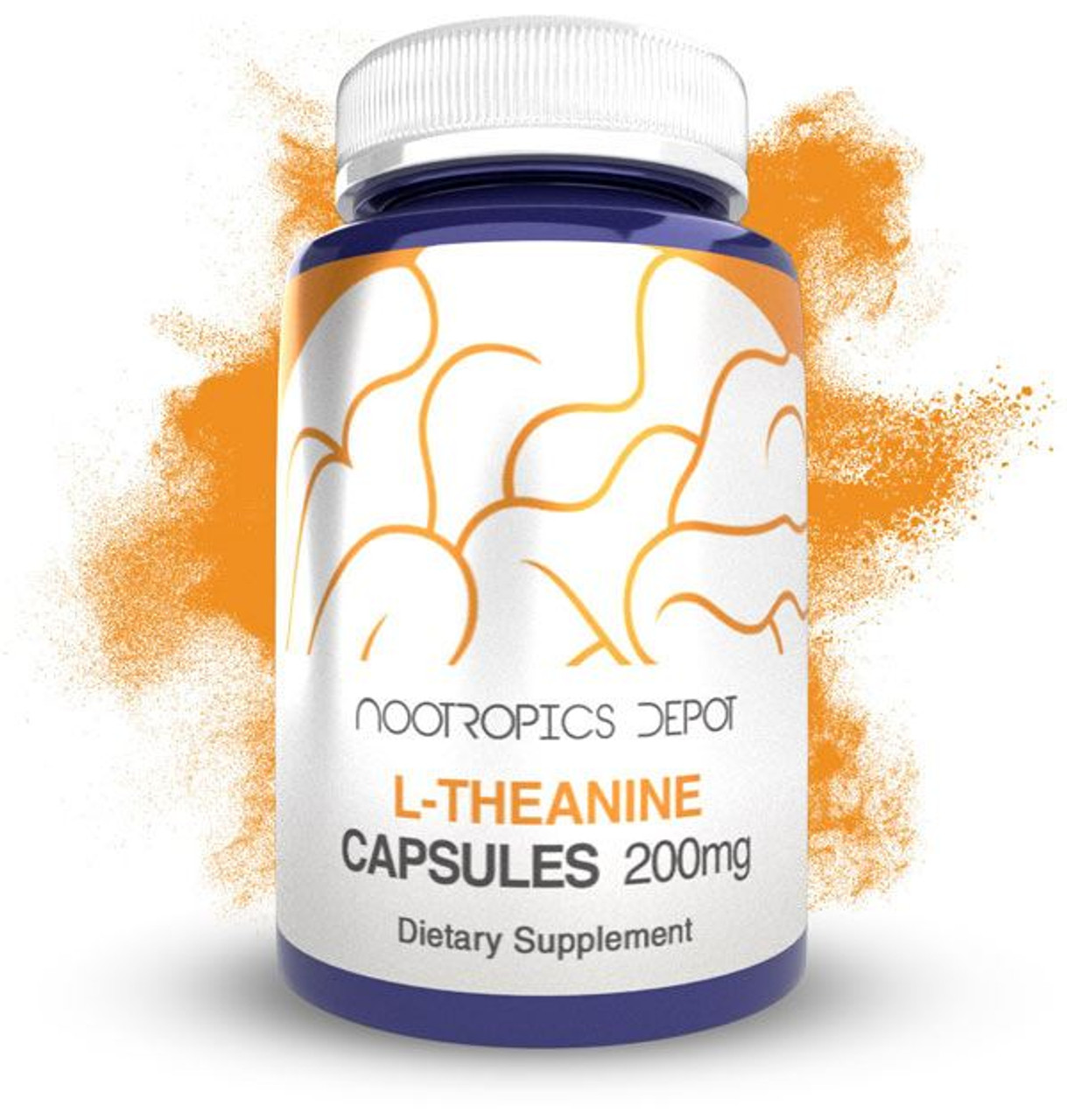
L-theanine, the amino acid responsible for green tea’s calming properties, has a specific mechanism that makes it interesting for ADHD: it boosts alpha brain-wave activity, which is associated with relaxed focus. Lyon et al. (2011) conducted an RCT in 98 boys with ADHD and found that 400mg/day of L-theanine improved sleep quality and reduced hyperactivity scores compared to placebo. Moderate evidence
L-theanine doesn’t cause drowsiness. It modulates glutamate and GABA signaling without the sedation of GABAergic drugs. This makes it particularly useful for the ADHD-plus-anxiety phenotype, which accounts for roughly 30–50% of ADHD cases.
Magnesium: Correcting the Common Deficiency
Magnesium is involved in over 300 enzymatic reactions including neurotransmitter release, and ADHD populations are frequently deficient. Starobrat-Hermelin (1997) found that magnesium supplementation improved hyperactivity and inattention in magnesium-deficient children with ADHD over a 6-month trial. Moderate evidence
The key word is deficient. Magnesium supplementation in people with adequate levels hasn’t shown the same benefits. Since serum magnesium is a poor marker (only 1% of body magnesium is in blood), RBC magnesium is a more reliable test if your provider offers it.
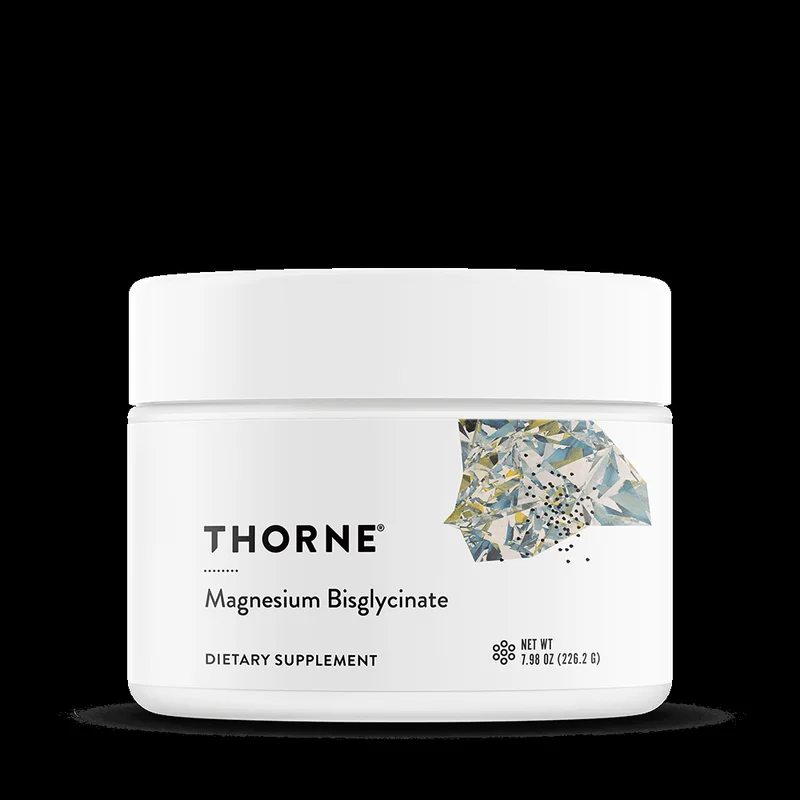
Magnesium glycinate or magnesium threonate are preferred forms for neurological applications. Magnesium oxide is cheap but poorly absorbed. Our best magnesium supplements guide breaks down the forms and their bioavailability.
Zinc and Iron: Test Before Supplementing
Zinc plays a role in dopamine metabolism and melatonin regulation — both relevant to ADHD. Bilici et al. (2004) ran a 12-week RCT of zinc sulfate (150mg/day, providing ~34mg elemental zinc) in 400 children with ADHD and found significant improvements in hyperactivity, impulsivity, and socialization scores versus placebo. Moderate evidence The benefit was most pronounced in children with low baseline zinc levels.
For iron, the evidence points to ferritin levels rather than hemoglobin. Konofal et al. (2008) found that ADHD children with ferritin below 30 ng/mL showed symptom improvement with supplementation. Moderate evidence Above that threshold, iron supplementation offers no ADHD benefit and carries real risks (GI distress, oxidative stress, iron overload).
For zinc, 15–30mg of elemental zinc daily is the studied range. Zinc picolinate or zinc bisglycinate are well-absorbed forms. See our zinc guide for more on form selection.
Vitamin D: Status Matters
Multiple observational studies have found that children and adults with ADHD are more likely to have vitamin D levels below 30 ng/mL. A meta-analysis by Gan et al. (2019) confirmed significantly lower serum 25(OH)D in ADHD patients compared to controls. Moderate evidence
Whether supplementation improves ADHD symptoms is less clear. A few small RCTs show modest benefit when correcting deficiency, but vitamin D alone is not a meaningful standalone intervention for ADHD. It’s best understood as a baseline health factor: if you’re deficient, fix it. If you’re not, extra D won’t sharpen your focus.
Get your 25(OH)D level tested. If it’s below 30 ng/mL, 2,000–4,000 IU daily with a fat-containing meal is a standard correction dose for adults.
Creatine for Cognitive Performance
Creatine isn’t a traditional “ADHD supplement,” but it has a compelling cognitive mechanism. The brain uses creatine phosphate to rapidly regenerate ATP, and prefrontal cortex function — the region most implicated in ADHD — is energy-intensive. Avgerinos et al. (2018) conducted a systematic review finding that creatine supplementation improved short-term memory and reasoning, especially under conditions of cognitive stress or sleep deprivation.
No RCT has directly tested creatine in diagnosed ADHD populations yet. The rationale is mechanistic: if ADHD involves prefrontal energy deficits, and creatine improves prefrontal energy availability, there’s plausible benefit. It’s emerging, not proven.
L-Tyrosine and Dopamine Precursors
L-tyrosine is the amino acid precursor to dopamine, and dopamine deficiency is central to ADHD neurobiology. The logic is straightforward: more raw material, more dopamine. The reality is more complicated.
Tyrosine supplementation (500–2,000mg) does show acute cognitive benefits under stress. Military studies by Lieberman et al. (2015) found it preserved working memory during cold exposure and sleep deprivation. Emerging evidence But dopamine synthesis is rate-limited by the enzyme tyrosine hydroxylase, not by tyrosine availability under normal conditions.
Translation: L-tyrosine may help if you’re cognitively depleted (all-nighter, extreme stress), but it’s unlikely to provide sustained ADHD benefit in well-nourished individuals eating adequate protein. The anecdotal support online is strong; the RCT evidence specific to ADHD is essentially nonexistent.
Stacking With Stimulant Medication
Most of the supplements above are safe alongside stimulant ADHD medications (methylphenidate, amphetamine salts, lisdexamfetamine). But there are a few interactions worth knowing.
Omega-3s: No known interactions with stimulants. Safe to combine.
L-theanine: No known interactions. May actually buffer stimulant-induced anxiety.
Zinc: Some evidence that zinc enhances stimulant response at lower doses (Akhondzadeh et al., 2004). Emerging evidence
Iron: Can interact with stimulant absorption if taken simultaneously. Separate by 2+ hours.
L-tyrosine: Theoretically could potentiate stimulant effects since both increase dopamine. Use caution and start low.
What to Avoid
The ADHD supplement market is rife with overpriced products making aggressive claims. Here’s what to skip.
“Natural Adderall” blends: Products containing yohimbine, high-dose caffeine (300mg+), or synephrine marketed as stimulant alternatives. These spike norepinephrine and can cause tachycardia, anxiety, and blood pressure spikes — exactly the wrong physiological profile for someone with ADHD-related emotional dysregulation.
Mega-dose B-vitamin complexes: Unless you have a confirmed deficiency, B-vitamins above RDA levels haven’t shown ADHD benefit in any rigorous trial. Some products contain 5,000–10,000% of the daily value for B6 or B12 and charge a premium for it. Save your money.
Phosphatidylserine (PS) at low doses: A few studies tested 200mg PS in ADHD children with mixed results. Most consumer products contain 100mg. The evidence doesn’t justify the cost for ADHD specifically.
Ginkgo biloba: Despite its reputation as a “brain herb,” ginkgo trials in ADHD have been consistently negative. Salehi et al. (2010) directly compared ginkgo to methylphenidate and found it significantly inferior. Skip it.
Sample Stack for Adults
• Omega-3 (EPA-dominant): 1–2g EPA+DHA daily with food
• Magnesium glycinate: 200–400mg in the evening
Tier 2 (moderate evidence):
• L-theanine: 200mg morning + 200mg afternoon
• Zinc picolinate: 15–25mg daily with food
• Vitamin D3: 2,000–4,000 IU if deficient
Tier 3 (emerging/situational):
• Creatine monohydrate: 5g daily
• L-tyrosine: 500mg on high-demand days (not daily with stimulants)
Start with Tier 1 for 8–12 weeks before adding anything else. Assess honestly whether you notice a difference. Add Tier 2 based on bloodwork (deficiency correction) or specific symptom targets (anxiety → L-theanine, sleep → magnesium).
Sample Stack for Kids (Pediatrician Required)
• Omega-3 (EPA-dominant): 500–1,000mg EPA+DHA daily
• Magnesium glycinate: 100–200mg in the evening
• L-theanine: 200mg daily
• Zinc: 15mg daily with food
• Iron: ONLY if ferritin confirmed <30 ng/mL
Creatine and L-tyrosine lack sufficient pediatric ADHD data to recommend.
Frequently Asked Questions
Can supplements replace ADHD medication?
For moderate to severe ADHD, no. Stimulant medications have effect sizes 3–5x larger than even the best-studied supplements. For very mild presentations, or for people who can’t tolerate medication, a well-designed supplement stack may provide meaningful support. But the honest answer is that supplements and medication work on different scales of impact.
How long before I notice a difference from omega-3s?
Most omega-3 ADHD trials ran 8–12 weeks before measuring outcomes. Neuronal membrane composition changes slowly. If you don’t notice anything after 3 months of consistent EPA-dominant supplementation at adequate doses, it’s reasonable to discontinue and redirect your budget.
Is lion’s mane good for ADHD?
Lion’s mane stimulates nerve growth factor (NGF) production, which is theoretically relevant to ADHD neurodevelopment. However, there are currently no RCTs testing lion’s mane specifically in ADHD populations. The cognitive evidence is early-stage and mostly in elderly populations. It’s not harmful, but it’s speculative for ADHD. See our lion’s mane guide for a full breakdown.
Should I take L-theanine with or without caffeine for ADHD?
For adults, the L-theanine + caffeine combination (200mg + 100mg) can improve alert focus without the jitteriness caffeine alone causes. However, if you’re already on stimulant medication, adding caffeine may increase heart rate and anxiety. In that case, L-theanine alone is the safer choice. For children, skip the caffeine entirely.
Are there supplements that make ADHD worse?
High-dose caffeine (300mg+) without L-theanine can worsen anxiety and emotional reactivity. Yohimbine increases norepinephrine and can trigger panic-like symptoms. High sugar intake — while not a supplement — worsens attention in some individuals. And paradoxically, melatonin at excessive doses (>3mg) can cause next-day grogginess that mimics inattention.
Do I need genetic testing before picking ADHD supplements?
Genetic testing (MTHFR, COMT, etc.) is heavily marketed in the functional medicine space but has limited actionable value for ADHD supplementation specifically. Standard bloodwork — ferritin, zinc, RBC magnesium, 25(OH)D, and an omega-3 index — gives you far more practical information for far less money.
Who Should Talk to a Doctor First
Most supplements in this guide are broadly safe, but certain populations need clinical oversight before starting.
None of the above is medical advice. Bring your full supplement list to your next provider visit.
The Bottom Line
The best supplements for ADHD fall into two categories: those that correct underlying nutritional deficiencies making symptoms worse (magnesium, zinc, iron, vitamin D), and those that provide modest direct cognitive benefit regardless of deficiency status (omega-3 EPA, L-theanine, creatine). Both categories are supported by real, if imperfect, clinical evidence.
Omega-3s with high EPA content represent the strongest single intervention, with a meta-analysis showing significant inattention improvement across 16 randomized trials. L-theanine is a standout for the hyperactive-impulsive and anxious subtypes. Magnesium and zinc matter most when you’re actually low — and many people with ADHD are.
What you should not do is build a 15-supplement stack based on Reddit threads, spend $200/month on nootropic blends with proprietary formulas, or believe anyone who says a supplement can replace properly prescribed medication for clinically significant ADHD. The effect sizes are real but modest. The mechanism of action is usually about optimizing the neurochemical environment, not overpowering a neurodevelopmental condition.
Start with bloodwork. Correct any deficiencies. Add EPA-dominant omega-3s. Consider L-theanine if anxiety or hyperactivity is a primary complaint. Give each intervention 8–12 weeks. Track your symptoms honestly, ideally with a structured rating scale rather than vibes. And tell your doctor what you’re taking — not because these supplements are dangerous, but because informed providers make better decisions about your complete treatment plan.
Browse ADHD and focus supplements in the Formulate catalog →
Supplements that support this
Turn this into your stack
Answer two questions and we'll build an evidence-graded starter stack — every ingredient with its dose, timing, and interaction checks.
Free · no account needed to start
Read next
Alpha-GPC vs Citicoline: Which Choline Source Actually Works?
Two of the most effective nootropics, both precursors to acetylcholine. We break down the evidence, dosing, bioavailability, and which one fits which goal.
Magnesium for Anxiety: The Glycinate-GABA Connection
Magnesium deficiency is linked to anxiety symptoms. Glycinate is the form with evidence for anxiety reduction — here's the mechanism and protocol.
Nootropics Guide 2026: Ranked by Clinical Evidence
Learn which nootropics actually work for focus and cognition. Tiered by human RCT data — from caffeine + L-theanine to lion’s mane — with doses, red flags, and stack advice.
How the stress response works, good vs. bad stress, and the levers that build resilience.
Evidence-based supplement guides, no spam
We send a short digest when new guides drop — nothing else. No affiliate pushes, no sponsored content, unsubscribe anytime.