Best Multivitamin for Adults Over 50: What to Actually Look For
Over 50, nutrient absorption declines and specific needs change (B12, D, calcium, iron). Most senior multivitamins get it wrong. Here's what to check.
- After 50, stomach acid declines and B12 absorption from food drops significantly — supplemental methylcobalamin is essential
- Men over 50 should avoid iron in multivitamins unless bloodwork confirms deficiency
- Vitamin D3 needs increase to 1,000–2,000 IU minimum; many older adults require 5,000 IU based on testing
- Calcium should be capped at 500 mg per dose and always paired with vitamin K2 (MK-7) to direct it to bones
- Most 'senior' formulas are underdosed in magnesium and overdosed in iron — check labels carefully
- Omega-3s aren't in multivitamins and should be supplemented separately for heart and brain health
The best multivitamin for adults over 50 isn’t just a standard formula with “Silver” slapped on the label. After 50, your body absorbs key nutrients differently, needs more of some (B12, D3, calcium), and less of others (iron, for most men). Most senior multivitamins get this balance wrong. Here’s what actually matters and what to look for.
Why Nutrient Needs Change After 50
Aging isn’t just cosmetic — it fundamentally alters how your body processes nutrients. Gastric acid production declines 20–30% by age 50 in many adults (Hurwitz et al., 1997). Strong evidence That acid is essential for liberating B12 from food proteins, absorbing iron, and activating certain mineral cofactors. Less acid means less absorption, even if your diet hasn’t changed.
Simultaneously, kidney function gradually declines, reducing your body’s ability to convert vitamin D to its active form. Bone density decreases — especially in postmenopausal women — making calcium and K2 more critical. And the liver’s Phase I detox pathways slow, changing how you metabolize certain fat-soluble vitamins.
The upshot: a multivitamin designed for a 30-year-old is the wrong tool. If you’re wondering whether you even need one in the first place, our guide on do you need a multivitamin lays out the general case. For adults over 50, the answer is more nuanced and more often “yes.”
The B12 Absorption Problem
This is the single most under-appreciated nutrient shift after 50. Vitamin B12 in food is bound to proteins. Your stomach needs hydrochloric acid and pepsin to free it. As gastric acid declines with age, food-bound B12 absorption can drop dramatically — even in people eating plenty of meat and dairy.
Supplemental B12 bypasses the food-protein binding problem because it’s already in free form. Look for methylcobalamin or adenosylcobalamin — the bioactive forms — rather than cyanocobalamin, which requires conversion. A dose of 500–1,000 mcg in a multivitamin is appropriate for most adults over 50. For a deeper dive, see our vitamin B12 guide.
Signs of B12 insufficiency are easy to miss: fatigue, mild cognitive fog, tingling in extremities. These overlap with “normal aging,” which is exactly why they go undiagnosed.
Iron: Men vs. Women After 50
Iron is where men and women over 50 diverge sharply. Premenopausal women lose iron monthly through menstruation. After menopause, that loss stops — and iron needs drop to the same level as men’s: about 8 mg/day.
Most “senior” branded multivitamins still include iron. This isn’t automatically wrong for postmenopausal women with confirmed low ferritin, but it’s inappropriate as a default. Look for iron-free formulas unless your doctor has specifically recommended it. For more, read our iron guide.
Women over 50 who are still perimenopausal (irregular periods, occasional heavy bleeding) may still need iron. Track your ferritin with annual bloodwork. The 8 mg in most senior formulas is generally safe, but the 18 mg in standard women’s formulas is likely too much after menopause.
Vitamin D: The Aging Deficiency
Vitamin D deficiency is endemic in older adults. The skin’s ability to synthesize D3 from sunlight declines roughly 75% between age 20 and 70 (MacLaughlin & Holick, 1985). Combine that with less outdoor time, more clothing coverage, and declining kidney conversion — and you have a perfect storm.
The RDA of 600–800 IU for adults over 50 is widely considered insufficient by most functional and integrative practitioners. The Endocrine Society recommends 1,500–2,000 IU/day for adults at risk of deficiency (Holick et al., 2011). Many older adults need 4,000–5,000 IU to reach optimal serum levels of 40–60 ng/mL.
Always look for D3 (cholecalciferol), not D2. D3 raises serum levels more effectively and sustains them longer (Tripkovic et al., 2012). Our roundup of the best vitamin D supplements covers standalone options if your multi falls short.
Calcium + K2: The Bone Direction Question
Calcium supplementation after 50 is one of the most contentious areas in nutrition. You need calcium for bone density — that’s not debated. What’s debated is whether supplemental calcium ends up in your bones or your arteries.
A landmark meta-analysis by Bolland et al. (2010) found that calcium supplements (without co-administered vitamin D) were associated with a modest increase in cardiovascular events. This sparked legitimate concern. The resolution, supported by subsequent research, is twofold: pair calcium with vitamin D3 and vitamin K2 (specifically MK-7).
Vitamin K2 activates osteocalcin (which pulls calcium into bone) and matrix GLA protein (which keeps calcium out of arteries). Knapen et al. (2015) demonstrated that 180 mcg/day of MK-7 significantly improved bone mineral density and reduced arterial stiffness in postmenopausal women over three years.
What Most “Senior” Multivitamins Get Wrong
We’ve reviewed dozens of senior-branded multivitamins. The same problems recur:
- Iron included by default. As discussed, this is inappropriate for most men and many postmenopausal women.
- B12 as cyanocobalamin. Cheap, poorly converted. Methylcobalamin or adenosylcobalamin are better choices for older adults.
- Vitamin D at only 600–800 IU. This meets the conservative RDA but leaves most older adults deficient.
- No K2. Calcium without K2 is an incomplete strategy at best and potentially counterproductive.
- Magnesium at token doses (25–50 mg). Adults over 50 typically need 200–400 mg/day. Magnesium oxide — the cheapest form — has roughly 4% bioavailability. Look for glycinate, citrate, or malate.
- Proprietary blends. If you can’t see individual doses, you can’t evaluate the product. Period.
- Zinc without copper. Long-term zinc supplementation (15+ mg) depletes copper. Any good multi should include 1–2 mg of copper alongside zinc.
For a deeper look at magnesium forms and dosing, our guide on the best magnesium supplements breaks it all down.
Three Good Approaches, Explained
These three products represent different approaches — comprehensive, simple, and hybrid — but all get the fundamentals right for adults over 50.
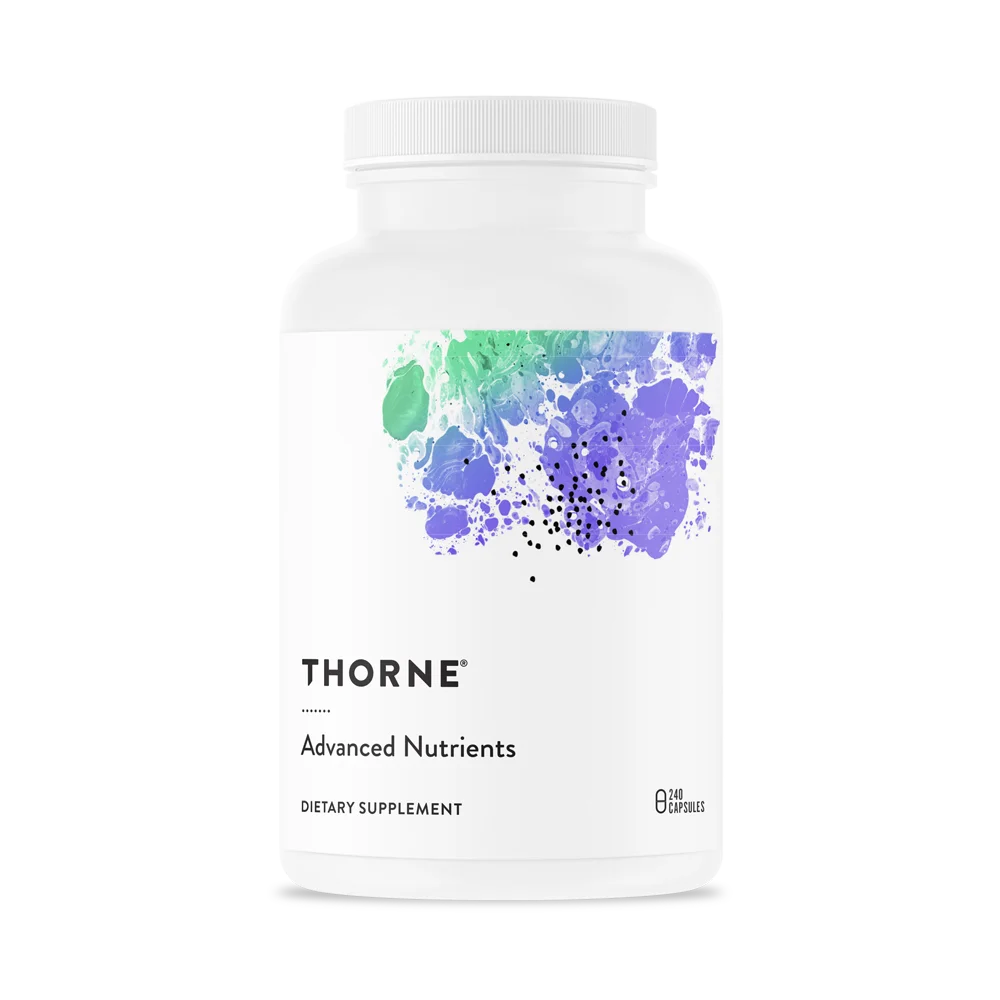
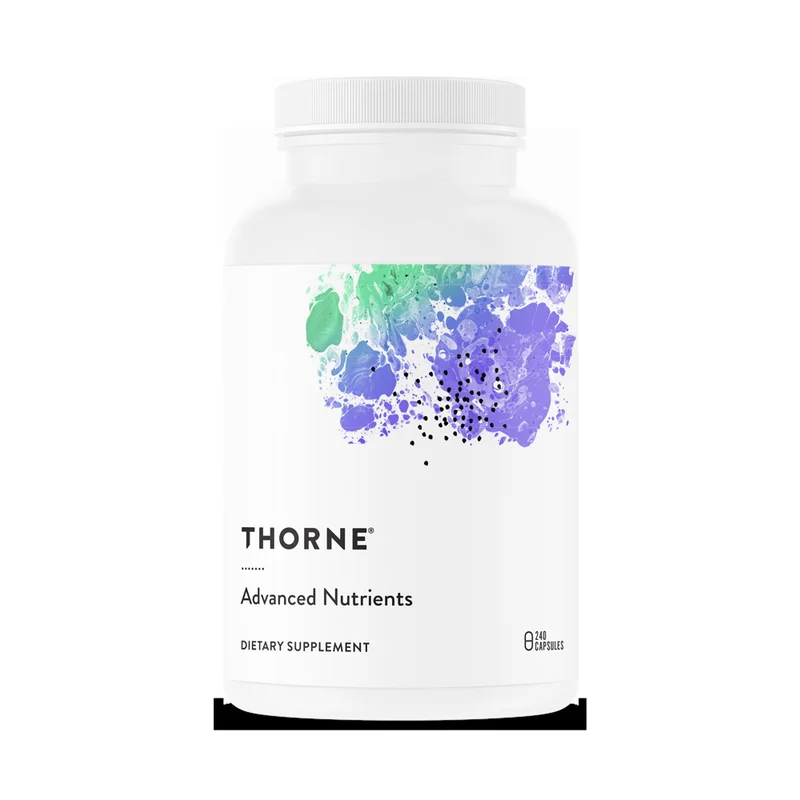
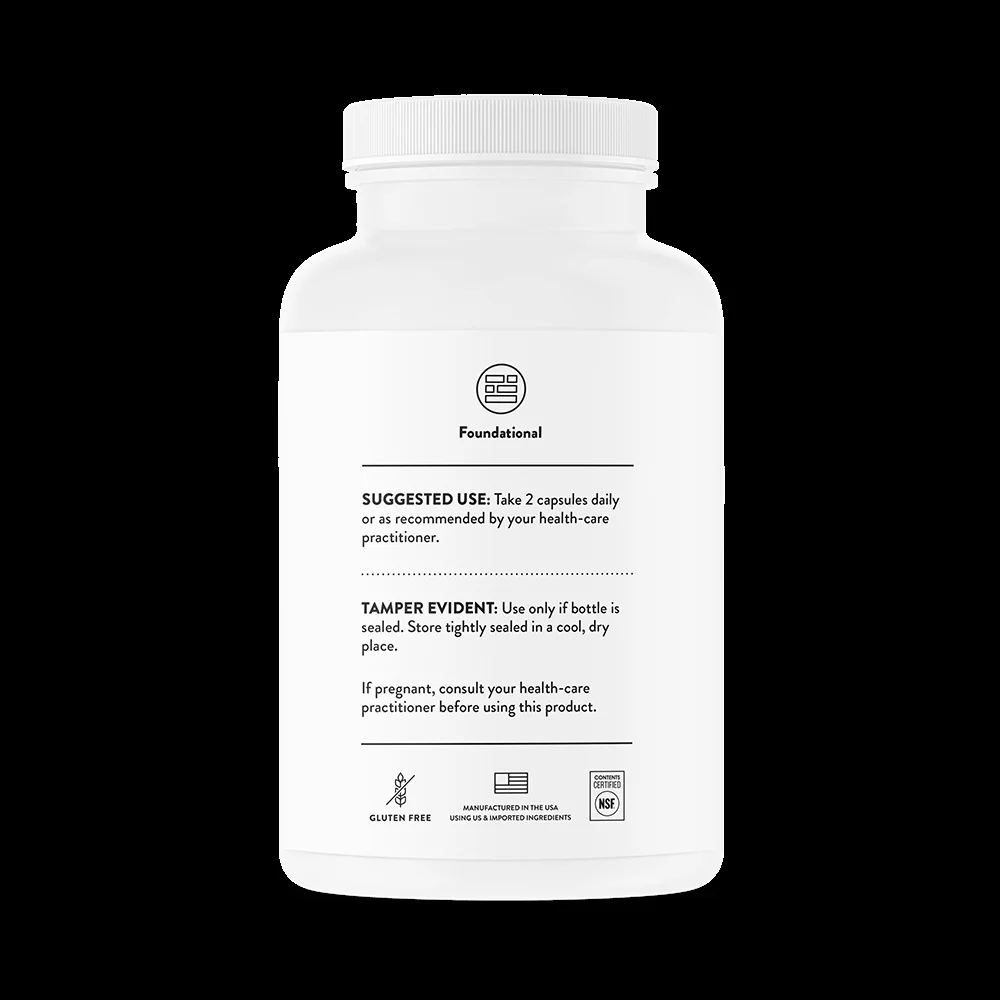
Thorne Advanced Nutrients 2/Day
- B12 Form & Dose: Methylcobalamin, 500 mcg
- Vitamin D3: 2,000 IU
- Iron-Free: Yes
- K2 Included: Yes (MK-7)
- Magnesium: Yes (citrate-malate)
- Serving Size: 2 capsules/day
Pure Encapsulations ONE Multivitamin
- B12 Form & Dose: Methylcobalamin, 500 mcg
- Vitamin D3: 1,000 IU
- Iron-Free: Yes
- K2 Included: No
- Magnesium: Minimal (50 mg)
- Serving Size: 1 capsule/day
Nordic Naturals Complete Multi
- B12 Form & Dose: Methylcobalamin, 250 mcg
- Vitamin D3: 1,000 IU
- Iron-Free: Yes
- K2 Included: No
- Magnesium: Minimal
- Serving Size: 2 softgels/day
Thorne Advanced Nutrients 2/Day is our top overall pick. It’s iron-free, uses bioactive B-vitamin forms across the board (methylfolate, methylcobalamin, P-5-P), includes 2,000 IU of D3, and adds MK-7. Magnesium is present as citrate-malate, though you’ll likely still want a standalone magnesium supplement to reach optimal intake. Third-party tested (NSF Certified for Sport).
Pure Encapsulations ONE Multivitamin is the simplicity pick — one capsule daily, no fillers, hypoallergenic. It’s a solid foundation, but you’ll need to add K2 and magnesium separately. Best for people who want a clean baseline and are willing to build a targeted stack around it.
Nordic Naturals Complete Multi is the hybrid option — it includes omega-3s in the softgel matrix, which is unusual for a multivitamin. The trade-off is slightly lower B12 and no K2. Good for people who want fewer bottles on the counter.
What to Take Separately
No multivitamin can do everything. Here’s what you’ll likely need to add:
- Magnesium (200–400 mg): Glycinate for sleep support, citrate for regularity. Almost no multi includes enough.
- Omega-3 (EPA + DHA, 1,000–2,000 mg): Cardiovascular and cognitive benefits are well-documented. Can’t fit meaningful doses in a multi capsule.
- Vitamin D3 (additional 1,000–3,000 IU): If your multi only provides 1,000 IU and your blood levels are below 40 ng/mL, you need more.
- Vitamin K2 (MK-7, 100–200 mcg): If your multi doesn’t include it, add it — especially if you take calcium.
- Calcium (500 mg, 1–2x/day): Only if dietary intake is below 1,000–1,200 mg/day. Calcium citrate preferred.
Frequently Asked Questions
Is a senior multivitamin really different from a regular one?
It should be, but many aren’t. A well-designed senior formula adjusts B12 upward (as methylcobalamin), removes iron for most formulations, increases D3 beyond the standard 400–600 IU, and includes K2. If the only difference on the label is the word “Silver” or “50+,” look more carefully at the Supplement Facts panel.
Can I just take the same multivitamin I’ve taken for years?
You can, but you may not be absorbing what you think. The B12 in a standard multi may be the wrong form. The iron may now be excessive. The D3 may be insufficient. It’s worth reassessing your formula at 50, again at 65, and after any major health change. Your body at 55 is not your body at 35.
Should men and women over 50 take different multivitamins?
The biggest difference is iron. Postmenopausal women and most men over 50 should choose iron-free formulas. Women may benefit from slightly higher calcium if dietary intake is low, and both sexes should prioritize B12, D3, and K2. Beyond iron, the overlap is substantial.
Do gummy vitamins work for seniors?
Gummy vitamins typically contain fewer nutrients at lower doses because the gummy matrix can’t hold much. They also add sugar (2–4 grams per serving). If swallowing capsules is difficult, look for liquid or mini-tablet options before defaulting to gummies. You’re likely getting a fraction of what the label suggests.
How do I know if my multivitamin is actually working?
Annual bloodwork is the gold standard. Ask for 25-hydroxyvitamin D, serum B12 (or methylmalonic acid for a more sensitive marker), ferritin, RBC magnesium, and a comprehensive metabolic panel. These five tests will tell you whether your supplement regimen is doing its job or just making expensive urine.
Are food-based multivitamins better for absorption?
“Food-based” and “whole food” multivitamins are a marketing category, not a scientific one. Some use nutrient-enriched yeast, which may improve tolerance but doesn’t necessarily improve absorption. What matters more is the specific form of each nutrient (methylcobalamin vs. cyanocobalamin, D3 vs. D2) and whether doses are clinically meaningful.
Can I take too much vitamin D3 as an older adult?
Yes — vitamin D3 is fat-soluble, meaning it accumulates in body fat and can reach toxic levels over time. The guide recommends up to 5,000 IU/day for some older adults but does not detail toxicity thresholds or symptoms. Vitamin D toxicity (hypercalcemia) can cause nausea, weakness, kidney damage, and cardiac issues. If you’re combining a multivitamin with a standalone D3 supplement, total daily intake can exceed safe limits without realizing it. Get a 25-hydroxyvitamin D blood test before adding standalone D3, and consult your physician about your specific ceiling dose.
What is the best multivitamin for over 50 that I can buy at Walmart or CVS?
The guide’s top picks (Thorne, Pure Encapsulations, Nordic Naturals) are primarily available online or at specialty retailers. However, the guide does address accessible budget options: Centrum Silver, Kirkland Mature Multi (Costco), and Nature Made Multi 50+ ($4–$10/month) get the basics right — iron-free, reasonable B12 doses, broad micronutrient coverage. Their shared gaps are low D3 (1,000 IU) and no K2. The guide recommends adding a D3/K2 combo supplement (~$2–3/month) to close both gaps for under $13/month total.
Do I need a multivitamin if I eat a healthy diet after 50?
Possibly yes, even with a good diet — primarily because of B12. After 50, gastric acid declines 20–30%, which impairs your ability to extract B12 from food proteins, regardless of how much meat or dairy you eat. Nearly 40% of adults show low-normal B12 levels (Framingham Offspring Study). Supplemental B12 bypasses this absorption problem because it’s already in free form. A healthy diet matters, but it can’t compensate for a digestive system that’s less efficient at liberating nutrients from food.
Are the nutritional differences between men’s and women’s multivitamins over 50 actually meaningful?
The guide identifies iron as the clearest difference: postmenopausal women and most men should both choose iron-free formulas, making that distinction largely moot after menopause. Beyond iron, the guide notes the overlap between sexes is substantial and both should prioritize methylcobalamin B12, D3, and K2. The guide does not address sex-specific considerations like boron for estrogen metabolism, iodine needs tied to thyroid changes, or zinc dosing for testosterone-related concerns in men. For those questions, consult a healthcare provider.
Should I take my multivitamin in the morning or at night?
Morning with your fattiest meal is the guide’s recommended window for your multivitamin, D3, K2, and omega-3s — all fat-soluble nutrients that absorb significantly better with dietary fat (one study found ~50% higher D3 absorption with a fat-containing meal). Take magnesium (glycinate or citrate, 200–400 mg) in the evening to avoid competing with calcium and to support sleep. If you take levothyroxine, take it 30–60 minutes before breakfast on an empty stomach — your multivitamin should wait until you eat.
Is it safe to take a multivitamin with metformin or statins?
Both interactions are clinically relevant. Metformin depletes B12 — one trial found a 19% reduction in B12 levels over 4 years — which compounds age-related absorption decline. If you take metformin, a multivitamin with 500–1,000 mcg of methylcobalamin is especially important, and annual B12 monitoring is warranted. Statins deplete CoQ10 by 20–40%, potentially contributing to muscle fatigue; most multivitamins don’t include CoQ10, so a standalone 100–200 mg supplement taken with a fat-containing meal is a reasonable addition. Discuss both with your physician.
What multivitamin is safe with kidney disease stage 3?
The guide doesn’t cover this directly. It notes that kidney patients should get nephrologist approval before taking any multivitamin — including standard formulas — because impaired kidneys can’t efficiently excrete excess potassium, phosphorus, or certain B vitamins, and vitamin D metabolism is altered in CKD. No specific product recommendation is appropriate here. If you have CKD stage 3, bring your full supplement list to your nephrologist before starting or changing anything. This is not a decision to make based on general supplement guidance.
How long until I notice if a multivitamin is working?
The guide doesn’t set explicit timelines, and subjective changes are unreliable markers — B12 insufficiency symptoms like fatigue and cognitive fog overlap with normal aging and may improve gradually over weeks or not at all in ways you’d notice. The guide’s recommended measure is annual bloodwork: 25-hydroxyvitamin D, serum B12 or methylmalonic acid, ferritin, RBC magnesium, and a metabolic panel. These labs — not how you feel after a few weeks — tell you whether your regimen is working or just producing expensive urine.
Budget-Friendly Options: What to Do If You Can't Afford Premium Brands
The best multivitamin over 50 doesn't have to cost $40–55/month. Centrum Silver, Kirkland Mature Multi (Costco), and Nature Made Multi for Him/Her 50+ all cost between $4–$10/month and get several things right: they're iron-free (most formulations), they include B12 at reasonable doses, and they provide a broad micronutrient base. But each has predictable gaps when measured against the criteria in this guide.
Where Budget Multis Fall Short
Centrum Silver Adults 50+ provides only 1,000 IU of D3, uses cyanocobalamin rather than methylcobalamin for B12, and contains no K2. Magnesium is a token 50 mg of magnesium oxide — roughly 2 mg of actual absorbed magnesium. It does include 25 mcg of B12, which is adequate in form-agnostic terms but suboptimal given the absorption challenges discussed above. Moderate evidence
Kirkland Mature Multi is nearly identical in profile: cyanocobalamin, 1,000 IU D3, no K2, minimal magnesium oxide. Its main advantage is price — often under $5/month at Costco.
Nature Made Multi for Him/Her 50+ bumps D3 to 1,000 IU and includes 50 mcg of B12 as cyanocobalamin. Still no K2, still negligible magnesium. USP-verified, which is a genuine quality differentiator at this price point.
Close the Gaps for Under $15/Month Total
All three budget multis share the same two critical deficiencies: insufficient D3 and no vitamin K2. You can fix both with one or two inexpensive add-ons.
A standalone D3 + K2 combo supplement — such as NOW Foods D3 2,000 IU + K2 100 mcg MK-7 — runs roughly $8–$10 for a 4-month supply. That's about $2.50/month and closes both gaps simultaneously. Pair this with any of the three budget multis and you're spending $7–$13/month total with dramatically better coverage. If your bloodwork shows 25-hydroxyvitamin D below 40 ng/mL, choose a D3/K2 combo offering 4,000–5,000 IU instead. For a full breakdown, see our best vitamin D supplements guide.
The cyanocobalamin B12 in these budget formulas isn't ideal, but it's not useless. Healthy adults without MTHFR polymorphisms or severe atrophic gastritis generally convert it adequately (Paul & Brady, 2017). If you have documented B12 deficiency or absorption issues, a standalone methylcobalamin supplement (1,000 mcg, ~$5/month) is a worthwhile third add-on. For everyone else, the cyanocobalamin in your budget multi is acceptable — imperfect, but functional.
Drug Interactions to Know: Metformin, Statins, Blood Pressure Medications
Drug interactions with multivitamins are the most under-discussed risk for adults over 50 — precisely the demographic most likely to be taking multiple prescriptions. Nearly 40% of adults aged 65+ take five or more medications (Kantor et al., 2015). If you're choosing a multivitamin, you need to know how it intersects with what's already in your medicine cabinet.
Metformin and B12 Depletion
Metformin — the most prescribed diabetes drug in the world — depletes vitamin B12. A landmark trial by de Jager et al. (2010) found that metformin use over 4.3 years reduced B12 levels by 19% and increased the risk of B12 deficiency by 7.2 percentage points versus placebo. This directly compounds the age-related B12 absorption decline we covered above. If you take metformin, a multivitamin with 500–1,000 mcg of methylcobalamin isn't optional — it's essential. Ask your doctor to monitor serum B12 or methylmalonic acid annually.
Statins and CoQ10
Statins (atorvastatin, rosuvastatin, simvastatin) inhibit the same enzyme pathway your body uses to produce coenzyme Q10. Observational data suggests statin users show 20–40% reductions in plasma CoQ10 levels (Littarru & Langsjoen, 2007). Moderate evidence This may contribute to the muscle fatigue and weakness some users report. Most multivitamins don't include CoQ10 — you'll typically need a standalone 100–200 mg supplement. Take it with a fat-containing meal.
ACE Inhibitors, ARBs, and Potassium
Blood pressure medications like lisinopril (ACE inhibitor) and losartan (ARB) raise potassium levels by reducing its excretion. Adding a multivitamin or supplement containing potassium can push levels into a dangerous range, risking cardiac arrhythmias. Check your multi's label — most contain minimal potassium, but verify. If you're on these drugs, routine electrolyte panels are non-negotiable.
Thyroid Medications and Mineral Timing
Levothyroxine — taken by roughly 10% of women over 50 — is notoriously sensitive to interference. Calcium, magnesium, iron, and zinc all impair its absorption (Singh et al., 2000). Strong evidence Take your thyroid medication on an empty stomach at least 60 minutes before any multivitamin. This isn't a suggestion — it's the difference between your medication working and not working.
Blood Thinners and Vitamin K
If you're on warfarin, vitamin K — present in virtually every multivitamin — directly affects your INR and clotting time. The key isn't avoidance; it's consistency. Switching multivitamins or taking them erratically creates dangerous fluctuations. Newer anticoagulants like apixaban and rivarelbaan are less affected by vitamin K, but consult your prescribing physician before adding any supplement containing K1 or K2. For more on K2's role in bone health, see our discussion of calcium and K2 above.
Timing and Stacking: A Daily Schedule That Actually Works
Supplement timing and stacking matters more than most people realize — especially after 50, when you're juggling multiple nutrients that can compete for absorption or interfere with medications. The good news: a simple two-window schedule handles almost every common interaction.
Morning With Breakfast (Your Fattiest Meal)
Take your multivitamin, vitamin D3, K2 (MK-7), and omega-3s together with a meal containing fat. D3, K2, and omega-3s are all fat-soluble — Dawson-Hughes et al. (2015) found that taking vitamin D with the largest meal of the day increased serum levels by roughly 50% compared to taking it on an empty stomach. If breakfast is your fattiest meal, this is your window. If dinner is, shift these there instead.
If you take calcium, morning is fine — but keep it at 500 mg or less per dose, and take it at least 2 hours apart from any standalone iron supplement. Calcium and iron compete for the same divalent metal transporter (DMT-1), and co-administration can reduce iron absorption by 50–60% (Hallberg et al., 1991).
Evening (2–3 Hours Before Bed)
Take magnesium — glycinate or citrate, 200–400 mg — in the evening. This avoids competition with calcium for absorption and doubles as sleep support. Magnesium glycinate in particular has calming properties without the laxative effect of citrate. If you need a second 500 mg calcium dose, take it at lunch or early afternoon, well separated from your evening magnesium. For details on choosing forms, see our guide on the best magnesium supplements.
How to Read a Supplement Facts Panel: A 60-Second Checklist
Knowing how to read a supplement facts panel turns you from a passive buyer into an informed one. You don't need a biochemistry degree — just 60 seconds and six checkpoints. This works for any multivitamin you pick up, not only the three reviewed above.
1. B12 Form
Look for methylcobalamin or adenosylcobalamin — the bioactive forms your body can use directly. If you see cyanocobalamin, that's the cheap synthetic form requiring hepatic conversion. Not a dealbreaker in younger adults, but after 50 with declining gastric acid, you want every efficiency advantage. Downgrade any product using cyanocobalamin as its sole B12 source.
2. D3 vs. D2
The panel should say cholecalciferol (D3), not ergocalciferol (D2). Tripkovic et al. (2012) confirmed D3 raises and sustains serum 25(OH)D levels more effectively. If it just says "Vitamin D" without specifying the form, assume D2 until proven otherwise.
3. Iron: Present or Absent?
Scan for iron anywhere on the panel. If it's listed and you're a man or postmenopausal woman without documented deficiency, flag it. Move on to an iron-free formula unless your doctor says otherwise.
4. Vitamin K Type
K1 (phylloquinone) supports clotting but does little for calcium metabolism. You want K2 as MK-7 (menaquinone-7) at 100–200 mcg for arterial and bone benefits. If the label just says "Vitamin K" with no subtype, it's almost certainly K1 only.
5. Magnesium Form and Dose
Token doses of 25–50 mg are window dressing. Check the form: magnesium oxide has roughly 4% bioavailability (Firoz & Graber, 2001). Glycinate, citrate, or malate are meaningfully better. You'll still likely need a standalone supplement, but a multi with 100+ mg of a quality form signals a serious formulator.
6. Proprietary Blends
If you see a "proprietary blend" listing total milligrams for a group of ingredients without individual doses, put the bottle down. You cannot evaluate what you cannot measure. Every ingredient should have its own line with a specific amount.
The Calcium Debate: What We Actually Know (And Don't)
Calcium supplementation after 50 remains one of the most genuinely unresolved questions in nutrition science. The existing evidence doesn't lend itself to clean answers — and you should be skeptical of anyone who claims otherwise.
The Bolland Controversy
In 2010, Bolland et al. published a meta-analysis of 15 trials involving over 12,000 participants, finding that calcium supplements (without vitamin D) were associated with a roughly 30% increased risk of myocardial infarction. A follow-up re-analysis of the Women's Health Initiative data (Bolland et al., 2011) extended similar concerns to calcium with vitamin D. These findings haven't been fully refuted — but they haven't been universally replicated either. The cardiovascular signal is real enough to take seriously, but not so definitive that supplementation is clearly harmful.
What the USPSTF Actually Says
The U.S. Preventive Services Task Force (2018) recommends against daily supplementation with ≤400 IU vitamin D and ≤1,000 mg calcium for fracture prevention in healthy, community-dwelling postmenopausal women. For higher doses, they concluded the evidence is insufficient to assess the balance of benefits and harms. That's not an endorsement of calcium supplements — it's an acknowledgment that we don't have clear answers. Moderate evidence
The K2 Question — Promising but Not Proven
Vitamin K2 (MK-7) is often presented as the solution to calcium's arterial risk. Knapen et al. (2015) did show that 180 mcg/day of MK-7 improved arterial stiffness markers in postmenopausal women — but that study didn't test whether K2 specifically prevents the cardiovascular harms associated with calcium supplementation. No randomized trial has directly demonstrated that adding K2 to calcium neutralizes the risks Bolland identified. K2 is a reasonable precaution, not a proven fix.
What You Should Actually Do
Prioritize dietary calcium first — dairy, sardines, fortified foods, leafy greens. Most adults can reach 800–1,000 mg/day through food with modest effort. Supplement only for documented shortfalls, ideally confirmed by a dietary intake assessment or discussion with your provider. If you do supplement, keep doses at 500 mg or less per sitting, use calcium citrate (which doesn't depend on stomach acid), and yes — adding K2 and vitamin D3 is reasonable. Just don't mistake "reasonable" for "evidence-based certainty."
Who Should Talk to a Doctor First
A multivitamin seems low-risk, and for most people it is. But certain situations require medical guidance before starting or changing your regimen.
None of the above is medical advice. Bring your full supplement list to your next provider visit.
- 1
 Advanced NutrientsThorne · $72.0088
 - 2
 Basic Nutrients 2/DayThorne · $36.0088
 - 3
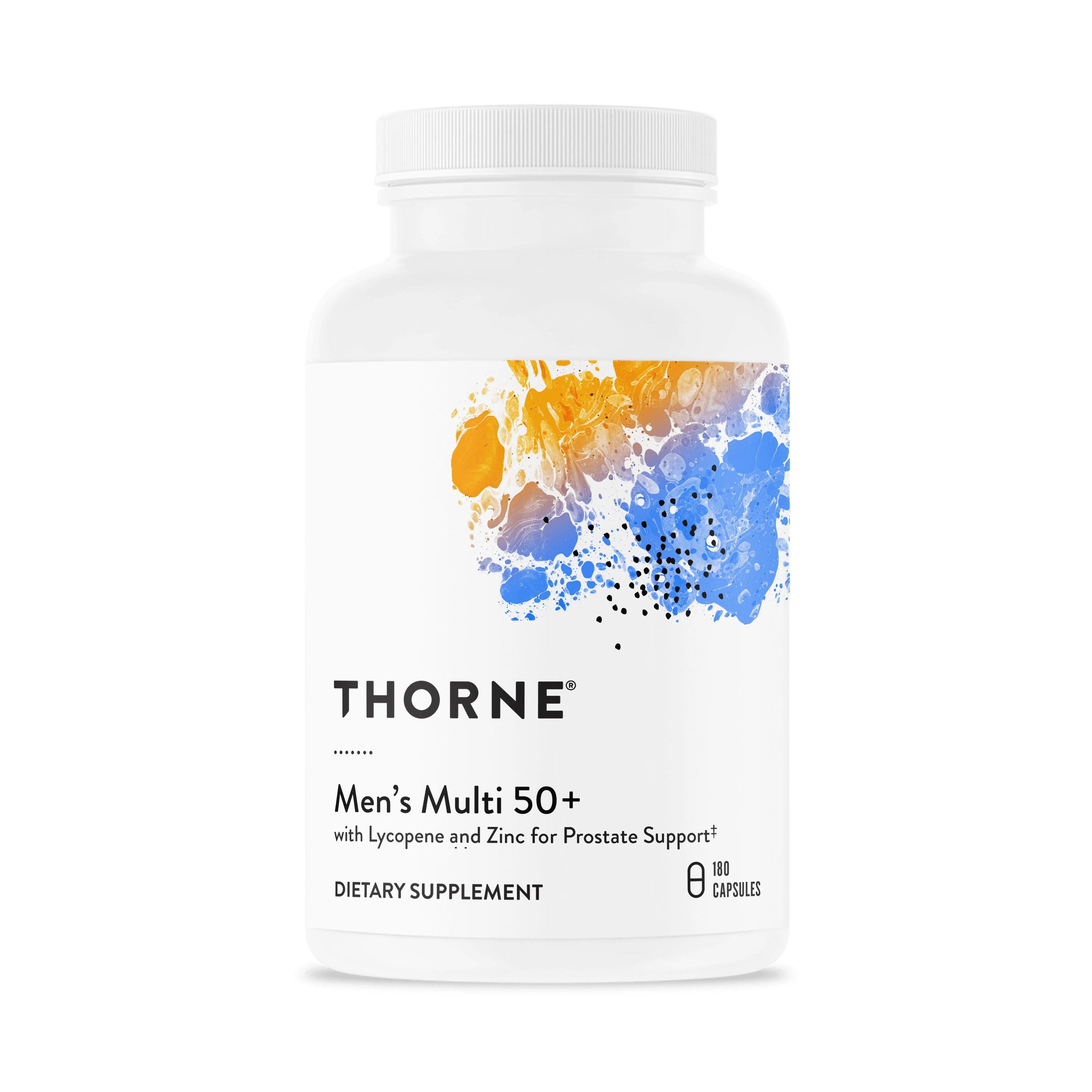 Men's Multi 50+Thorne · $56.0088
 - 4
 Vitamin Code 50 & Wiser WomenGarden of Life · $60.8987
 - 5
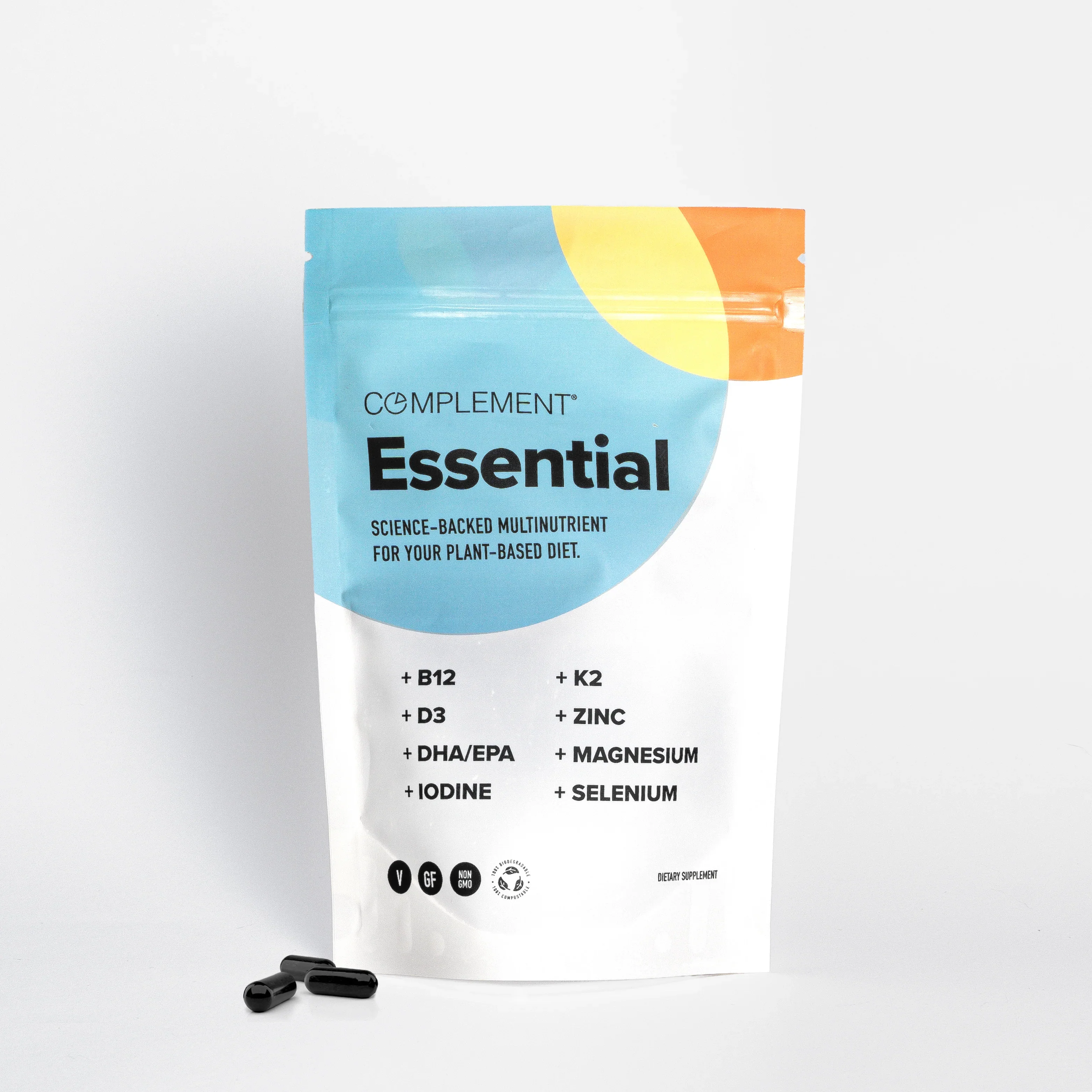 EssentialComplement · $89.0086
Recomputed from the catalog every time this page is built, so it moves as products are added and rescored. Flavours and pack sizes of one product count once.
The Bottom Line
After 50, the question isn’t whether you need a multivitamin — it’s whether you need the right one. Standard formulas designed for younger adults miss the mark on B12 form, D3 dose, iron inclusion, and K2 entirely. A good senior multivitamin should use methylcobalamin (500+ mcg), provide at least 1,000–2,000 IU of D3, be iron-free by default, and ideally include vitamin K2 as MK-7.
Of the multis discussed here, Thorne Advanced Nutrients 2/Day comes closest to getting everything right in a single product: bioactive B vitamins, adequate D3, iron-free, K2 included, and third-party tested. Pure Encapsulations ONE is the best minimalist option if you prefer one capsule and are building a custom stack. Nordic Naturals Complete Multi adds omega-3s for those who want simplicity.
But no multivitamin is complete for adults over 50. Plan on supplementing magnesium (200–400 mg of glycinate or citrate) and omega-3s (1,000–2,000 mg combined EPA/DHA) separately. If your D3 blood level is below 40 ng/mL, add standalone D3 on top of what your multi provides. And if you take calcium, always pair it with K2 and split doses to 500 mg or less.
The best supplement strategy after 50 is built on data, not marketing. Get your bloodwork done annually. Know your B12, D, ferritin, and magnesium levels. Use those numbers to choose your products and adjust your doses. A well-chosen multivitamin is the foundation — but the foundation only works if you build the rest of the house around it.
Browse senior multivitamin supplements in the Formulate catalog →
Supplements that support this
Turn this into your stack
Answer two questions and we'll build an evidence-graded starter stack — every ingredient with its dose, timing, and interaction checks.
Free · no account needed to start
Read next
Do You Need a Multivitamin? Clinical Evidence 2026
Most adults take multivitamins as nutritional insurance — but 700,000-person studies show near-zero mortality benefit. Learn when one helps and when to target instead.
Best Supplement Tracker Apps 2026, Compared Honestly
We compare Formulate, SuppCo, Examine, ConsumerLab, Labdoor, Cronometer & biomarker platforms by the job each one does best — scoring, logging, lab-testing, or blood panels. No sponsorships.
Best Supplements for Joint Pain: Evidence-Based Stack for Osteoarthritis
Only four supplement categories have strong RCT evidence for joint pain: Curcumin, Boswellia, Fish Oil, and Glucosamine+Chondroitin. The starter stack, doses, and what to skip.
The frontier of longevity science — the intervention landscape, senolytics, and measuring what works.
Evidence-based supplement guides, no spam
We send a short digest when new guides drop — nothing else. No affiliate pushes, no sponsored content, unsubscribe anytime.