Trace minerals
Zinc
Immune · enzymes
100+ enzymes; immune function, wound healing, DNA synthesis.
Upper-limit caution
The Tolerable Upper Intake Level for Zinc is 40 mg per day. Routine intakes above this level — counting food + supplements — raise the risk of adverse effects. Multivitamins, fortified foods, and standalone supplements stack faster than people expect.
What Zinc does
Zinc is a structural and catalytic component of more than 300 enzymes and transcription factors. It's central to immune function (T-cell development, NK activity), wound healing, taste perception, sperm production, and growth. There's no major body store, so deficiency develops within weeks of inadequate intake. Long-term high-dose supplementation (>40 mg/day) induces copper deficiency by upregulating intestinal metallothionein — neurological copper deficiency from chronic zinc lozenge use is a well-documented case-report cluster.
Food sources of Zinc
Approximate Zinc content per serving. Whole-food intake counts toward your daily total alongside any supplemental dose.
| Food | Serving | Zinc |
|---|---|---|
| Oysters (cooked) | 3 oz | 75 mg |
| Beef (cooked) | 3 oz | 7 mg |
| Crab (cooked) | 3 oz | 6.5 mg |
| Pumpkin seeds | 1 oz | 2 mg |
| Cashews | 1 oz | 1.6 mg |
| Chickpeas (cooked) | 1 cup | 2.5 mg |
Signs of Zinc deficiency
- ●Frequent infections, slow wound healing
- ●Loss of taste and smell (hypogeusia, hyposmia)
- ●Hair loss, brittle nails with white spots
- ●Diarrhea, dermatitis around mouth/eyes/anus
- ●Children: growth failure, delayed sexual maturation
Who needs more Zinc
Groups and situations where Zinc requirements rise or status commonly runs low:
- ●Vegetarians/vegans (phytates inhibit absorption; effective requirement ~50% higher)
- ●Pregnancy and lactation (modest RDA increase)
- ●Older adults — both lower intake and reduced absorption
- ●Sickle cell disease, IBD, chronic diarrhea, alcohol use disorder
- ●After bariatric surgery
Forms to avoid
Not all Zinc forms absorb equally well. The following forms are commonly used because they're cheap, but their bioavailability is materially lower than alternatives — watch for them on supplement labels:
- oxide
Formulate's product scoring penalizes these forms when they appear as the primary Zinc source — see the methodology page for the rubric.
How Zinc appears on labels
Supplement labels list Zinc under several names depending on the chemical form used. Any of these on an ingredients panel counts toward your Zinc intake:
- zinc
- zinc citrate
- zinc gluconate
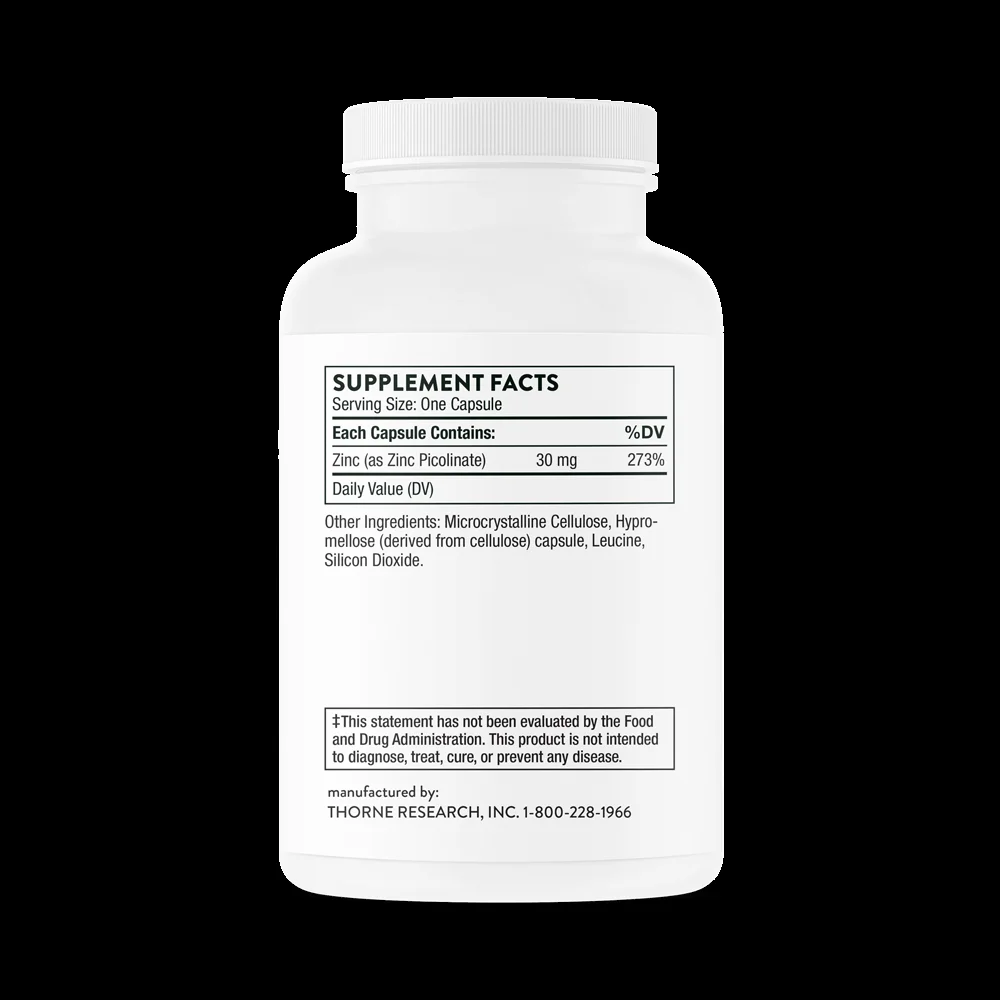
- zinc picolinate
- zinc bisglycinate
- zinc oxide
- zinc monomethionine
Best supplements for Zinc
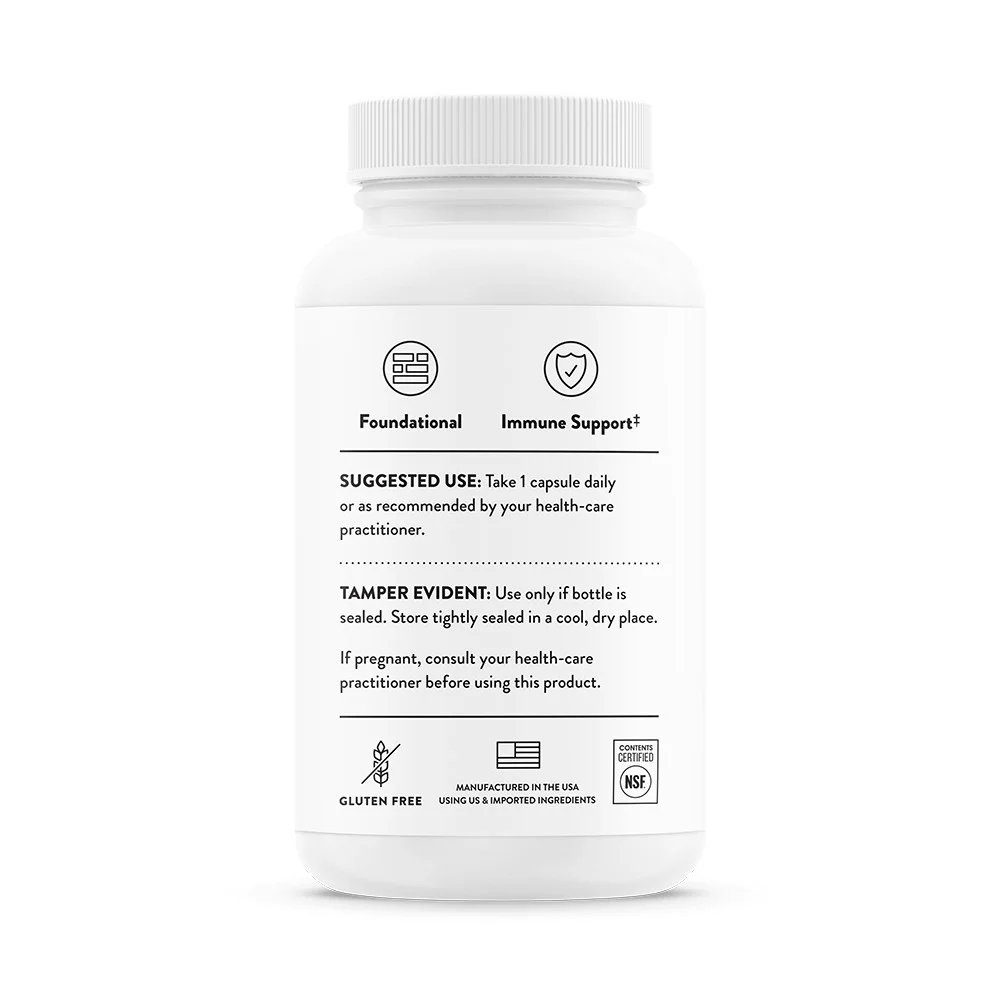
Top-scoring supplements in our catalog that list Zinc on the label. Each product is graded on Formulate's ingredient-level rubric — dose accuracy, form, transparency, and third-party testing.


Deep dive
For mechanism of action, dosing protocols, evidence grade, and interaction warnings on Zinc, see the full encyclopedia entry:
Zinc encyclopedia entry →Research on Zinc
Peer-reviewed studies in our research database that reference Zinc. Each entry links to a detailed methodology review.
- Hemilä H, 2017 · JRSM OpenZinc lozenges and the common cold: a meta-analysis comparing zinc acetate and zinc gluconate, and the role of zinc dosage
- Singh M, Das RR, 2013 · Cochrane Database of Systematic ReviewsOral zinc for the common cold (Cochrane Review)
- Willis et al., 2005 · American Journal of Clinical NutritionZinc-induced copper deficiency: a report of three cases initially recognized on bone marrow examination
Guides covering Zinc
Long-form articles in our guide library that go deeper on Zinc — comparisons, protocols, and reviews.
Frequently asked questions
What is the daily target for Zinc?
What foods are highest in Zinc?
What is the best form of Zinc to supplement?
What are the signs of Zinc deficiency?
Who is most at risk for low Zinc?
Related trace minerals
Track your full intake
Formulate's free web app aggregates Zinc (and ~40 other nutrients) across every supplement in your stack — flagging underdoses, overlaps, and upper-limit overshoots in one view.
Track your intake free →Are you getting enough Zinc?
See your coverage across every nutrient at once, counting both what you eat and what you supplement.
Check my coverage2 questions · free · no account needed to start
Also on iPhone — get the free app
Evidence-based supplement guides, no spam
We send a short digest when new guides drop — nothing else. No affiliate pushes, no sponsored content, unsubscribe anytime.
Medical disclaimer. This page is educational and does not replace advice from a qualified healthcare provider. Targets and upper limits are general adult reference values; individual needs vary by age, sex, pregnancy status, and clinical context.