Trace minerals
Iron
Oxygen transport
Hemoglobin, myoglobin, oxidative phosphorylation.
Upper-limit caution
The Tolerable Upper Intake Level for Iron is 45 mg per day. Routine intakes above this level — counting food + supplements — raise the risk of adverse effects. Multivitamins, fortified foods, and standalone supplements stack faster than people expect.
What Iron does
Iron is the heme center of hemoglobin and myoglobin (oxygen transport) and the iron-sulfur clusters of the electron transport chain. The body has no regulated way to excrete iron — once absorbed, it stays unless lost through bleeding, sweat, or sloughed cells — so absorption is tightly controlled by hepcidin in response to body iron stores. Heme iron (animal) is absorbed at 15–35% efficiency; non-heme iron (plant) at 2–20% and is inhibited by phytates, calcium, and tannins, and enhanced by vitamin C. Iron supplements taken when stores are already replete cause oxidative damage, GI distress, and constipation; check ferritin before starting one.
Food sources of Iron
Approximate Iron content per serving. Whole-food intake counts toward your daily total alongside any supplemental dose.
| Food | Serving | Iron |
|---|---|---|
| Beef (cooked) | 3 oz | 2.5 mg heme |
| Chicken liver (cooked) | 3 oz | 11 mg heme |
| Lentils (cooked) | 1 cup | 6.5 mg non-heme |
| Spinach (cooked) | 1 cup | 6.5 mg non-heme |
| Tofu | 1/2 cup | 3 mg non-heme |
| Pumpkin seeds | 1 oz | 2 mg non-heme |
Signs of Iron deficiency
- ●Fatigue, exercise intolerance, shortness of breath on exertion
- ●Pallor of skin, conjunctivae, nail beds
- ●Pica (craving ice, dirt, paper) — surprisingly specific for iron deficiency
- ●Restless legs, brittle/spoon-shaped nails (koilonychia)
- ●Microcytic, hypochromic anemia on a CBC
Who needs more Iron
Groups and situations where Iron requirements rise or status commonly runs low:
- ●Menstruating women — RDA is 18 mg vs 8 mg for men
- ●Pregnancy — RDA jumps to 27 mg
- ●Endurance athletes (foot-strike hemolysis, sweat loss, hepcidin elevation)
- ●Vegetarians/vegans — non-heme iron is less bioavailable; effective requirement ~1.8× higher
- ●Frequent blood donors, GI bleeding, post-bariatric, celiac
Forms to avoid
Not all Iron forms absorb equally well. The following forms are commonly used because they're cheap, but their bioavailability is materially lower than alternatives — watch for them on supplement labels:
- ferric oxide
- elemental iron
Formulate's product scoring penalizes these forms when they appear as the primary Iron source — see the methodology page for the rubric.
How Iron appears on labels
Supplement labels list Iron under several names depending on the chemical form used. Any of these on an ingredients panel counts toward your Iron intake:
- iron
- ferrous
- ferrous sulfate
- ferrous fumarate
- ferrous bisglycinate
- ferric
Best supplements for Iron
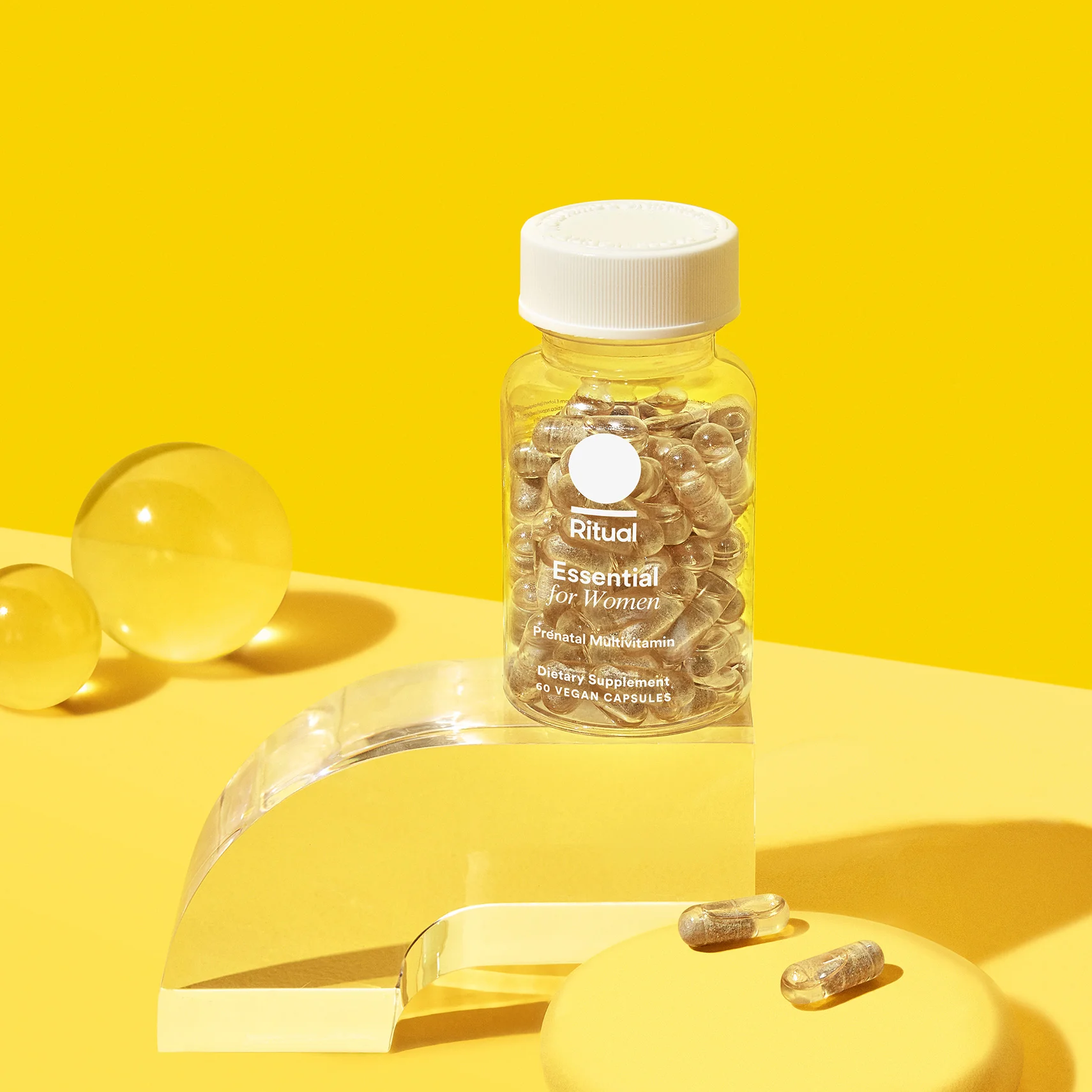
Top-scoring supplements in our catalog that list Iron on the label. Each product is graded on Formulate's ingredient-level rubric — dose accuracy, form, transparency, and third-party testing.




Deep dive
For mechanism of action, dosing protocols, evidence grade, and interaction warnings on Iron, see the full encyclopedia entry:
Iron encyclopedia entry →Conditions where Iron has evidence
Iron appears on the supplement list for the following condition pages — each links to the full evidence summary, dose, and lifestyle context.
Research on Iron
Peer-reviewed studies in our research database that reference Iron. Each entry links to a detailed methodology review.
- Stoffel NU, Cercamondi CI, Brittenham G, et al., 2017 · BloodOral iron supplements increase hepcidin and decrease iron absorption from daily or twice-daily doses in iron-depleted young women
- Hurrell R, Egli I, 2010 · American Journal of Clinical NutritionIron bioavailability and dietary reference values
- Hallberg and Hulthén, 2000 · American Journal of Clinical NutritionPrediction of dietary iron absorption: an algorithm for calculating absorption and bioavailability
Guides covering Iron
Long-form articles in our guide library that go deeper on Iron — comparisons, protocols, and reviews.
- Guide · 12 min readIron Supplements Guide 2026: Evidence-Based & Ranked
- Guide · 11 min readDark, Quiet, Cool: What the Evidence Says About Your Sleep Environment
- Guide · 11 min readHow to Choose a Mattress: What the Evidence Says About Firmness and Back Pain
- Guide · 9 min readMagnesium for Anxiety: The Glycinate-GABA Connection
Frequently asked questions
What is the daily target for Iron?
What foods are highest in Iron?
What is the best form of Iron to supplement?
What are the signs of Iron deficiency?
Who is most at risk for low Iron?
Related trace minerals
Track your full intake
Formulate's free web app aggregates Iron (and ~40 other nutrients) across every supplement in your stack — flagging underdoses, overlaps, and upper-limit overshoots in one view.
Track your intake free →Are you getting enough Iron?
See your coverage across every nutrient at once, counting both what you eat and what you supplement.
Check my coverage2 questions · free · no account needed to start
Also on iPhone — get the free app
Evidence-based supplement guides, no spam
We send a short digest when new guides drop — nothing else. No affiliate pushes, no sponsored content, unsubscribe anytime.
Medical disclaimer. This page is educational and does not replace advice from a qualified healthcare provider. Targets and upper limits are general adult reference values; individual needs vary by age, sex, pregnancy status, and clinical context.