Trace minerals
Selenium
Thyroid · antioxidant
Glutathione peroxidase, thyroid hormone metabolism.
Upper-limit caution
The Tolerable Upper Intake Level for Selenium is 400 mcg per day. Routine intakes above this level — counting food + supplements — raise the risk of adverse effects. Multivitamins, fortified foods, and standalone supplements stack faster than people expect.
What Selenium does
Selenium is incorporated as selenocysteine into ~25 selenoproteins, including the glutathione peroxidases (antioxidant defense), thioredoxin reductases, and the deiodinases that convert thyroid prohormone T4 into active T3. Soil selenium varies wildly by geography — Brazil-nut content can swing 10× between regions. The UL is among the lowest of any nutrient (400 mcg) because selenosis (hair/nail loss, GI distress, neuropathy) develops at chronic intakes around 1,000 mcg/day. A few unmonitored Brazil nuts a day can cross that.
Food sources of Selenium
Approximate Selenium content per serving. Whole-food intake counts toward your daily total alongside any supplemental dose.
| Food | Serving | Selenium |
|---|---|---|
| Brazil nuts | 1 nut | 70–90 mcg |
| Yellowfin tuna (cooked) | 3 oz | 90 mcg |
| Cooked sardines | 3 oz | 45 mcg |
| Cooked beef | 3 oz | 30 mcg |
| Cooked chicken breast | 3 oz | 20 mcg |
| Eggs (whole) | 1 large | 15 mcg |
Signs of Selenium deficiency
- ●Keshan disease — cardiomyopathy described in selenium-poor regions of China
- ●Kashin-Beck disease — chronic joint disease in selenium-poor areas
- ●Hypothyroidism (impaired T4-to-T3 conversion)
- ●Increased susceptibility to certain viral infections
Who needs more Selenium
Groups and situations where Selenium requirements rise or status commonly runs low:
- ●Living in regions with selenium-poor soil who eat only locally grown food
- ●HIV infection — depletion is common and contributes to disease progression
- ●Severe GI disease with prolonged total parenteral nutrition
- ●Hashimoto's thyroiditis — modest evidence for autoantibody reduction
How Selenium appears on labels
Supplement labels list Selenium under several names depending on the chemical form used. Any of these on an ingredients panel counts toward your Selenium intake:
- selenium
- selenomethionine
- l-selenomethionine
- sodium selenate
Best supplements for Selenium
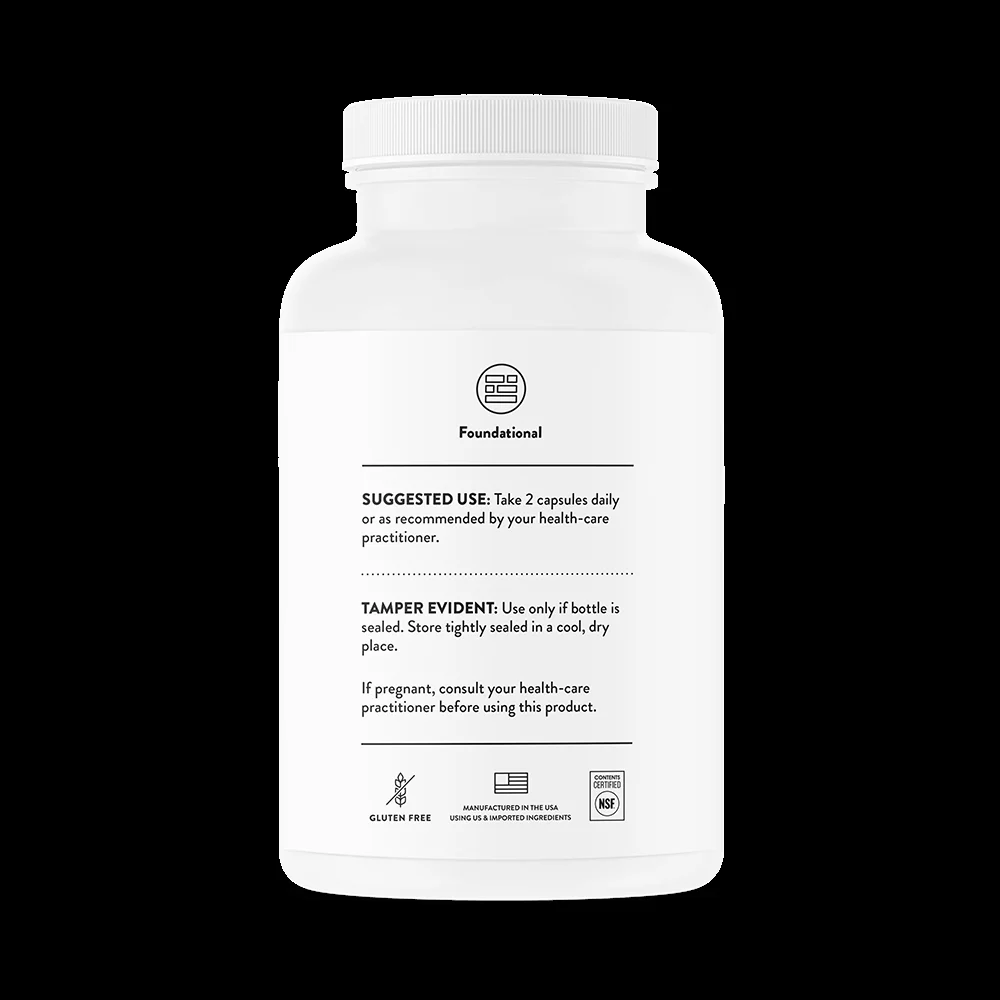
Top-scoring supplements in our catalog that list Selenium on the label. Each product is graded on Formulate's ingredient-level rubric — dose accuracy, form, transparency, and third-party testing.



Deep dive
For mechanism of action, dosing protocols, evidence grade, and interaction warnings on Selenium, see the full encyclopedia entry:
Selenium encyclopedia entry →Research on Selenium
Peer-reviewed studies in our research database that reference Selenium. Each entry links to a detailed methodology review.
Guides covering Selenium
Long-form articles in our guide library that go deeper on Selenium — comparisons, protocols, and reviews.
Frequently asked questions
What is the daily target for Selenium?
What foods are highest in Selenium?
What is the best form of Selenium to supplement?
What are the signs of Selenium deficiency?
Who is most at risk for low Selenium?
Related trace minerals
Track your full intake
Formulate's free web app aggregates Selenium (and ~40 other nutrients) across every supplement in your stack — flagging underdoses, overlaps, and upper-limit overshoots in one view.
Track your intake free →Are you getting enough Selenium?
See your coverage across every nutrient at once, counting both what you eat and what you supplement.
Check my coverage2 questions · free · no account needed to start
Also on iPhone — get the free app
Evidence-based supplement guides, no spam
We send a short digest when new guides drop — nothing else. No affiliate pushes, no sponsored content, unsubscribe anytime.
Medical disclaimer. This page is educational and does not replace advice from a qualified healthcare provider. Targets and upper limits are general adult reference values; individual needs vary by age, sex, pregnancy status, and clinical context.