Antioxidant
Quercetin
Also known as: Quercetin dihydrate, Quercetin phytosome, Quercetin Phytosome® (Quercefit®), Quercefit
Quercetin is a flavonoid antioxidant with anti-inflammatory properties; the Phytosome® delivery system uses phospholipids to enhance absorption compared to standard quercetin. Evidence supports potential benefits for allergies, cardiovascular health, and exercise recovery, though human clinical data remains moderate.
Last reviewed June 2026 · Evidence graded from peer-reviewed research, not editorial opinion. Educational only — not medical advice.
Every Quercetin product we have scored
| # | Product | Score | Per serving |
|---|---|---|---|
| 1 | Thorne Quercetin Phytosome | 92 A | $0.77 |
| 2 | Thorne Quercetin Complex | 90 A | $0.90 |
| 3 | Thorne Advanced Nutrients | 88 A | $2.40 |
| 4 | Thorne Pre-Workout Elite | 88 A | $1.83 |
| 5 | Thorne PolyResveratrol-SR® | 87 A | $1.97 |
| 6 | Nutricost Quercetin (1000mg) | 87 A | $0.37 |
| 7 | Pure Encapsulations PureDefense with NAC | 87 A | $1.90 |
| 8 | Pure Encapsulations Quercetin | 86 A- | $0.97 |
| 9 | Pure Encapsulations NeuroPure | 86 A- | $1.18 |
| 10 | Pure Encapsulations Quercetin UltraSorb | 86 A- | $0.55 |
| 11 | Jarrow Formulas Quercetin | 86 A- | $0.34 |
| 12 | Pure Encapsulations A.I. Formula | 85 A- | $0.61 |
Scored on dose accuracy, form, label transparency and third-party testing. Per-serving cost is list price divided by servings per container. No brand pays to be listed or ranked.
Common questions
How much Quercetin should I take?
The typical range is 500-1000 mg daily. Safe long-term
When should I take Quercetin?
Divided doses. Yes.
Which form of Quercetin is best?
Quercetin phytosome — Better absorbed. Other forms in the catalog: With bromelain, Standard, Capsule, Powder.
Is Quercetin safe?
Commonly reported: Well tolerated. Serious warnings: None. Safe
Which Quercetin supplement scores highest?
Thorne Quercetin Phytosome, at 92/100. Scored on dose accuracy, form, label transparency and third-party testing — no brand pays to be listed or ranked.
Primary uses
- Allergies
- Inflammation
- Immune support
- Senolytic
- Antioxidant support
- Anti-inflammatory response
- Allergy symptom management
- Cardiovascular health
- Exercise recovery
What systematic reviews concluded
Outcomes that systematic reviews of Quercetin reached a verdict on: 2 with a benefit, 1 with no effect, 1 unclear. Each is quoted from a review and linked to it on PubMed. How these were read.
Reviews found a benefit (2)
“Quercetin supplementation has reducing effects on SBP and insulin levels but not other cardiometabolic parameters.” PMID 37654199
“The studies reported the positive effects of the investigated phenolic compounds on bone metabolism and their potential application as adjuvant treatments for osteoporosis, bone tumours, and periodontitis.” PMID 36079777
Reviews found no effect (1)
“Quercetin supplementation has reducing effects on SBP and insulin levels but not other cardiometabolic parameters.” PMID 37654199
Not enough to say: safety.
1 finding from reviews in specific patient groups (such as cancer, pregnancy or surgery) is not shown here.
How it works
- Mast cell stabilizer
- Inhibits inflammatory enzymes
- Senolytic (clears senescent cells)
- Zinc ionophore
Dosage
- Typical range
- 500-1000 mg daily
- Timing
- Divided doses
- With food
- Yes
- Duration
- Safe long-term
- Special populations
- Allergies, inflammation
Forms
- Quercetin phytosome
- With bromelain
- Standard
- Capsule· 70/100
- Powder· 70/100
Safety
Common side effects
- Well tolerated
Contraindications
- None
Products containing Quercetin
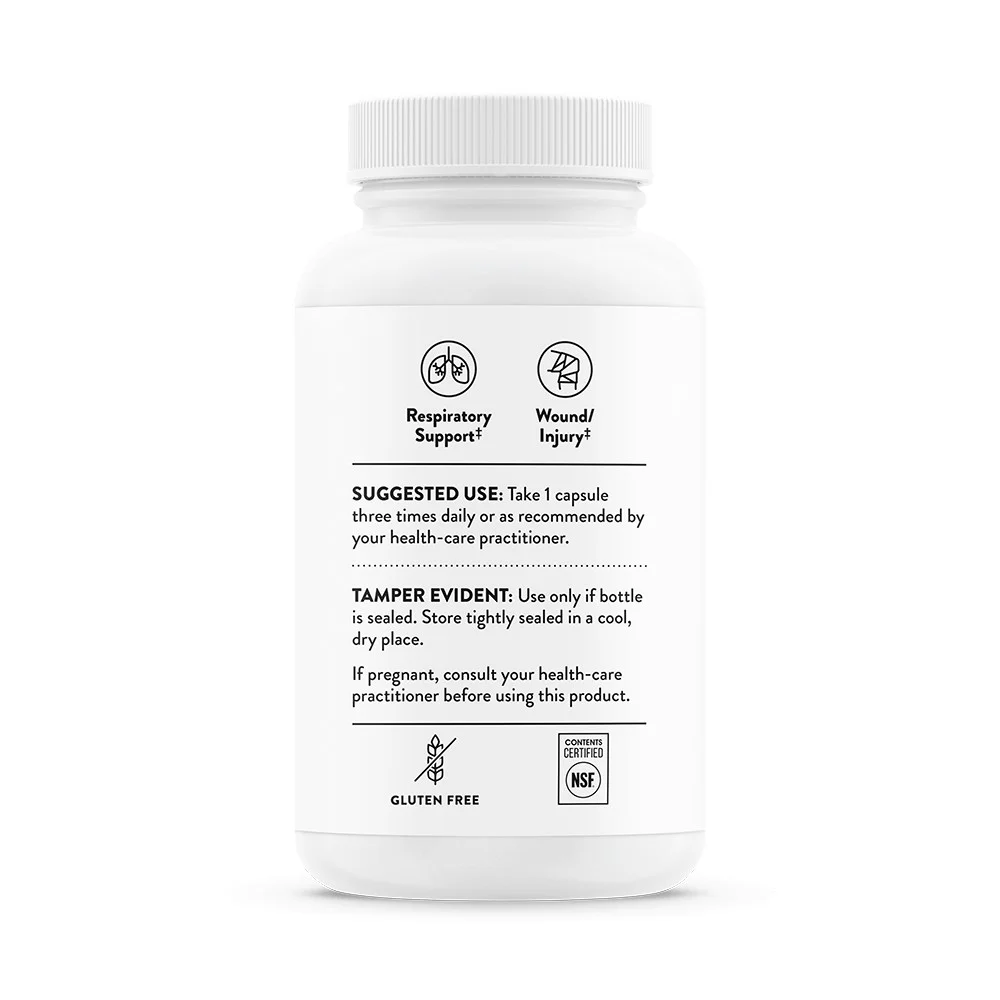
Top-scoring supplements in our catalog that list Quercetin on the label. Each product is graded on Formulate's ingredient-level rubric — dose accuracy, form, transparency, and third-party testing.



Known interactions
Evidence notes
Broad anti-inflammatory effects
Grade B: Some human trials support key claims; further confirmation needed.
Cited research for Quercetin
Clinical studies referenced across Formulate guides that mention quercetin. Each links to the full study page with PubMed source + the guides that cite it.
Quercetin compared head-to-head
Related in Antioxidant
Check a full stack
Formulate's free interaction checker lets you paste in any combination of supplements and medications at once — every pairing flags severity, timing, and cited evidence.
Open the checkerWhere does Quercetin fit in your stack?
Answer two questions and get a stack graded on research — every ingredient scored on the evidence behind it, not the marketing.
Build my stack2 questions · free · no account needed to start
Also on iPhone — get the free app
Evidence-based supplement guides, no spam
We send a short digest when new guides drop — nothing else. No affiliate pushes, no sponsored content, unsubscribe anytime.
Medical disclaimer. This page is educational and does not replace advice from a qualified healthcare provider. Individual needs and risks vary — consult a professional before starting, stopping, or combining supplements, especially if you are pregnant or nursing, taking medication, or managing a health condition.