Antioxidant
Sophorа Japonica Extract (Bud) – Quercetin 95% Anhydrous
Also known as: Japanese Pagoda Tree Extract, Anhydrous Quercetin, Quercetin Anhydrous, Sophora japonica bud extract
Quercetin is a widely-studied polyphenolic flavonoid found in plants like Sophora japonica; it functions primarily as an antioxidant and has preliminary evidence for anti-inflammatory and cardiovascular support effects.
Last reviewed June 2026 · Evidence graded from peer-reviewed research, not editorial opinion. Educational only — not medical advice.
Every Sophorа Japonica Extract (Bud) – Quercetin 95% Anhydrous product we have scored
| # | Product | Score | Per serving |
|---|---|---|---|
| 1 | Thorne Quercetin Phytosome | 92 A | $0.77 |
| 2 | Thorne Quercetin Complex | 90 A | $0.90 |
| 3 | Thorne Advanced Nutrients | 88 A | $2.40 |
| 4 | Thorne Pre-Workout Elite | 88 A | $1.83 |
| 5 | Thorne PolyResveratrol-SR® | 87 A | $1.97 |
| 6 | Nutricost Quercetin (1000mg) | 87 A | $0.37 |
| 7 | Pure Encapsulations PureDefense with NAC | 87 A | $1.90 |
| 8 | Seed PM-02™ Sleep + Restore Supplement | 86 A- | $1.17 |
| 9 | Pure Encapsulations Quercetin | 86 A- | $0.97 |
| 10 | Pure Encapsulations NeuroPure | 86 A- | $1.18 |
| 11 | Jarrow Formulas Quercetin | 86 A- | $0.34 |
| 12 | Pure Encapsulations A.I. Formula | 85 A- | $0.61 |
Scored on dose accuracy, form, label transparency and third-party testing. Per-serving cost is list price divided by servings per container. No brand pays to be listed or ranked.
Common questions
How much Sophorа Japonica Extract (Bud) – Quercetin 95% Anhydrous should I take?
The typical range is 500–1,200 mg daily in divided doses. Suitable for long-term use; benefits may take 4–8 weeks to manifest
When should I take Sophorа Japonica Extract (Bud) – Quercetin 95% Anhydrous?
With meals for better absorption and reduced GI irritation. Recommended; food enhances bioavailability, particularly with fat.
Which form of Sophorа Japonica Extract (Bud) – Quercetin 95% Anhydrous is best?
Anhydrous powder. Other forms in the catalog: Tablet, Capsule, Standardized extract.
Is Sophorа Japonica Extract (Bud) – Quercetin 95% Anhydrous safe?
Commonly reported: Mild headache (rare), Nausea or GI upset at high doses, Tingling in extremities (very rare, high doses).
Which Sophorа Japonica Extract (Bud) – Quercetin 95% Anhydrous supplement scores highest?
Thorne Quercetin Phytosome, at 92/100. Scored on dose accuracy, form, label transparency and third-party testing — no brand pays to be listed or ranked.
Primary uses
- Antioxidant support
- Anti-inflammatory effects
- Cardiovascular health
- Allergy/histamine response modulation
- General wellness
How it works
- Potent free radical scavenging via polyphenolic structure
- Mast cell stabilization and histamine modulation
- NF-κB pathway inhibition and pro-inflammatory cytokine reduction
- Endothelial function improvement
Dosage
- Typical range
- 500–1,200 mg daily in divided doses
- Timing
- With meals for better absorption and reduced GI irritation
- With food
- Recommended; food enhances bioavailability, particularly with fat
- Duration
- Suitable for long-term use; benefits may take 4–8 weeks to manifest
- Special populations
- Pregnant/nursing women should consult a healthcare provider; may interact with certain medications affecting drug metabolism
Forms
- Anhydrous powder· 70/100
- Tablet· 70/100
- Capsule· 70/100
- Standardized extract· 70/100
Safety
Common side effects
- Mild headache (rare)
- Nausea or GI upset at high doses
- Tingling in extremities (very rare, high doses)
Contraindications
- Bleeding disorders or concurrent anticoagulant/antiplatelet therapy (may have mild platelet effects)
- Pregnancy/nursing (limited safety data)
- Kidney disease (metabolized hepatically; use with caution at high doses)
Products containing Sophorа Japonica Extract (Bud) – Quercetin 95% Anhydrous
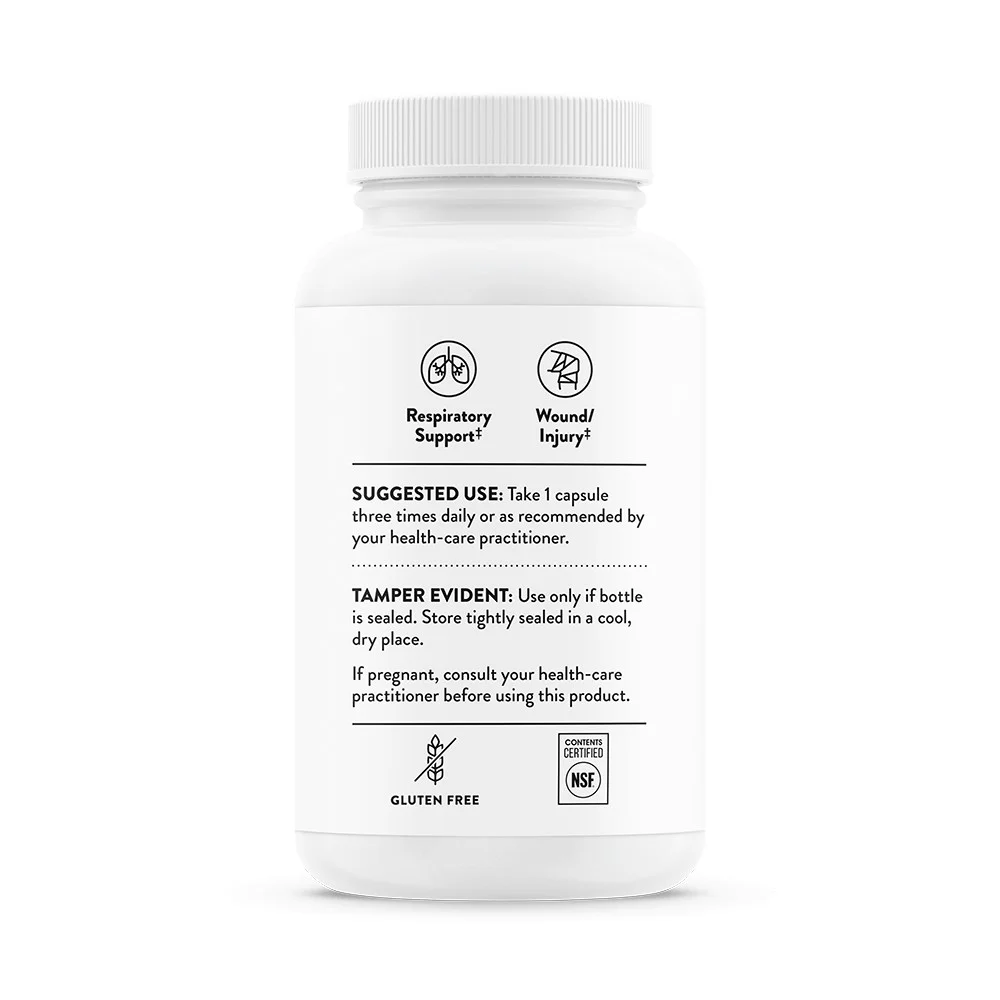
Top-scoring supplements in our catalog that list Sophorа Japonica Extract (Bud) – Quercetin 95% Anhydrous on the label. Each product is graded on Formulate's ingredient-level rubric — dose accuracy, form, transparency, and third-party testing.



Evidence notes
Quercetin has robust in vitro and animal model evidence plus multiple human clinical trials supporting antioxidant, anti-inflammatory, and mild cardiovascular benefits; however, effect sizes in humans are often modest and some trials show mixed results. Grade B reflects good cumulative evidence with some limitations in translation to clinical outcomes.
Grade B: Some human trials support key claims; further confirmation needed.
Related in Antioxidant
Check a full stack
Formulate's free interaction checker lets you paste in any combination of supplements and medications at once — every pairing flags severity, timing, and cited evidence.
Open the checkerWhere does Sophorа Japonica Extract (Bud) – Quercetin 95% Anhydrous fit in your stack?
Answer two questions and get a stack graded on research — every ingredient scored on the evidence behind it, not the marketing.
Build my stack2 questions · free · no account needed to start
Also on iPhone — get the free app
Evidence-based supplement guides, no spam
We send a short digest when new guides drop — nothing else. No affiliate pushes, no sponsored content, unsubscribe anytime.
Medical disclaimer. This page is educational and does not replace advice from a qualified healthcare provider. Individual needs and risks vary — consult a professional before starting, stopping, or combining supplements, especially if you are pregnant or nursing, taking medication, or managing a health condition.