Sarcopenia: How to Reverse Age-Related Muscle Loss
Studies in adults in their 80s and 90s show sarcopenia is reversible. The evidence-based protocol: resistance training, protein, vitamin D, and creatine — plus how to tell if you have it.
- Sarcopenia is reversible at almost any age — even adults in their 80s and 90s gain meaningful strength
- The protocol: resistance training 2–3x/week + 1.2–2.0g/kg protein/day + vitamin D + adequate calories
- A landmark study showed 90-year-old nursing home residents gained 174% strength in 8 weeks
- Creatine (3–5g/day) is the strongest supplemental adjunct to resistance training for older adults
Sarcopenia is one of the most consequential conditions in aging, and also one of the most under-discussed. It’s the age-related loss of muscle mass, strength, and function, and it affects roughly 10% of adults over 60 and up to 50% of adults over 80. It’s associated with falls, fractures, loss of independence, disability, and substantially higher mortality risk. It also shortens the number of years people can live on their own terms by a decade or more.
Here’s the good news: sarcopenia is reversible at almost every stage. The interventions that work are well-studied, surprisingly effective, and don’t require anything you can’t do at home. This guide covers what sarcopenia actually is, how to tell if you have it, and the evidence-based protocol for reversing or preventing it.
The Short Answer
Sarcopenia is reversible through a combination of progressive resistance training 2–3 times per week, protein intake of 1.2–2.0 g/kg per day distributed across 3–4 meals, adequate vitamin D, and sufficient total calories. Multiple randomized trials have shown that even adults in their 80s and 90s can significantly increase muscle mass, strength, and functional capacity when they follow this protocol for 3–6 months. The earlier you start, the less aggressive the intervention needs to be. The later you start, the more urgent it becomes.
What Sarcopenia Actually Is
Sarcopenia is formally defined by the European Working Group on Sarcopenia in Older People (EWGSOP2) as a progressive and generalized skeletal muscle disorder involving:
- Low muscle strength (the primary defining feature)
- Low muscle quantity or quality
- Low physical performance (when severe)
The clinical criteria shifted in 2018 to put strength first, because strength predicts outcomes better than mass alone. Muscle quality — how much force a unit of muscle can produce — declines faster than muscle mass with age, which is why someone can have relatively preserved muscle size but meaningfully weaker muscles.
The typical rate of muscle loss without intervention:
- After age 30: ~0.5–1% of muscle mass lost per year
- After age 50: closer to 1–2% per year, accelerating
- After age 65: up to 3% per year in some individuals
- Strength loss happens about 2–3 times faster than mass loss, so total functional decline outpaces what a body composition scan alone would suggest
Over 40 years of untrained aging, this compounds into a 30–50% reduction in muscle mass and a 50–60% reduction in peak muscle power. This is the biological basis for why sedentary older adults can’t get up off the floor, carry groceries, or climb stairs without difficulty.
How to Tell If You Have Sarcopenia
Clinical diagnosis requires specific tests, but several at-home screening checks correlate well with clinical sarcopenia:
Grip strength test
Using a handheld dynamometer ($30–$50 on Amazon), squeeze as hard as you can with your dominant hand. Clinical cutoffs for possible sarcopenia:
- Men: <27 kg (60 lb)
- Women: <16 kg (35 lb)
If you fall below these numbers, clinical guidance usually recommends further evaluation. (More on grip strength specifically in our grip strength and longevity guide.)
Chair stand test
Sit in a standard chair with arms crossed over your chest. Stand up and sit down as many times as you can in 30 seconds. A common cutoff for low lower-body function in adults 60+:
- Fewer than ~12 repetitions in 30 seconds for adults in their 60s and 70s indicates likely lower-body weakness.
- Inability to complete even 8 repetitions is a stronger clinical flag.
Gait speed test
Measure off a 4-meter (~13 feet) distance. Walk it at your usual pace and time yourself. Divide 4 by your seconds.
- <0.8 m/s is commonly used as a clinical threshold for severe sarcopenia and substantially elevated mortality risk.
- >1.0 m/s is associated with better outcomes.
Calf circumference
A surprisingly good proxy for lower-body muscle mass. Measure the largest circumference of your calf. Cutoffs:
- Men: <34 cm (13.4 in)
- Women: <33 cm (13 in)
Calf circumference below these thresholds is associated with meaningful risk of sarcopenia and is often used as a cheap first-line screen in clinics.
Any one of these tests is imperfect, but together they give a reasonable picture. If two or more flag concerns, it’s worth a conversation with a physician or physical therapist about formal evaluation.
The Evidence for Reversing Sarcopenia
The most striking research on sarcopenia reversal comes from studies in very old adults, precisely the population where you might expect the least response.
A 1990 study by Fiatarone et al. in JAMA remains one of the most-cited papers in this field. Ten frail nursing home residents (mean age 90 years) underwent 8 weeks of high-intensity resistance training at 80% of their one-rep max. The results:
- Strength increased by an average of 174%.
- Mid-thigh muscle cross-sectional area increased by 9%.
- Gait speed improved significantly in most participants.
- Two participants who had been dependent on walkers no longer needed them.
Subsequent studies have replicated this effect across multiple populations. A 2009 follow-up by the same research group in Sports Medicine reviewed 47 studies and concluded that progressive resistance training consistently improved muscle mass, strength, and physical function in adults 65+, including those who were frail or had chronic conditions.
More recent meta-analyses have reinforced these findings and added nuance:
- A 2020 meta-analysis in Aging Clinical and Experimental Research found that resistance training for 12+ weeks produced an average gain of 1.1 kg of lean mass in older adults with sarcopenia, with strength gains averaging 20–40%.Strong evidence
- A 2021 meta-analysis in Nutrients found that combining resistance training with increased protein intake (1.2 g/kg+) produced significantly better muscle mass and strength gains than resistance training alone.
- Studies in adults in their 80s and 90s have consistently shown that the muscle’s capacity to respond to training remains intact well into advanced age — the response is slightly blunted compared to younger adults but still substantial and clinically meaningful.
The takeaway: sarcopenia is not a one-way door. Muscle mass and strength respond to training at essentially any age.
The Evidence-Based Protocol
The intervention with the strongest research support has four components. None of them are exotic.
1. Progressive resistance training, 2–3 times per week
This is the single most effective intervention for sarcopenia. The key word is progressive — the load must increase over time as the muscles adapt. Studies using fixed-load exercises (e.g., light resistance bands with the same resistance for 12 weeks) show much smaller gains than studies using progressive loading.
The movements that matter most are compound multi-joint exercises that train the legs, hips, back, and upper body:
- Squat or leg press (quads, glutes)
- Hinge or deadlift (hamstrings, glutes, lower back)
- Row or pulldown (back, biceps)
- Press (chest or overhead)
- Loaded carry or step-up (functional transfer)
Load should be moderately heavy — heavy enough that the last 1–2 reps of each set feel genuinely difficult. This is nonnegotiable. Studies using very light loads (25% of 1RM) with older adults produce significantly smaller results than studies using moderate-to-heavy loads (70–80% of 1RM). The misconception that older adults should “take it easy” with weights is not supported by the evidence.
For people new to training, starting with bodyweight or light dumbbells is fine — the progression matters more than the starting weight. Aim to increase load or reps every few sessions. (See our training after 50 guide for the full program.)
2. Protein intake of 1.2–2.0 g/kg per day
This is the substrate piece. Muscle protein synthesis requires amino acids, and older adults need more of them per meal to achieve the same response as younger adults (anabolic resistance).
For a 75 kg (165 lb) adult, the target range is roughly 90–150g per day, distributed across 3–4 meals with at least 30–40g per meal. Skimping on breakfast protein is the most common mistake.
Whey protein supplementation has been specifically studied in sarcopenic populations and consistently shows benefit. A 2015 study in The American Journal of Clinical Nutrition found that sarcopenic older adults supplementing with 20g of whey protein twice daily while undergoing resistance training gained significantly more lean mass and strength than those doing the same training without supplementation. (More detail in our protein intake guide.)
3. Adequate vitamin D
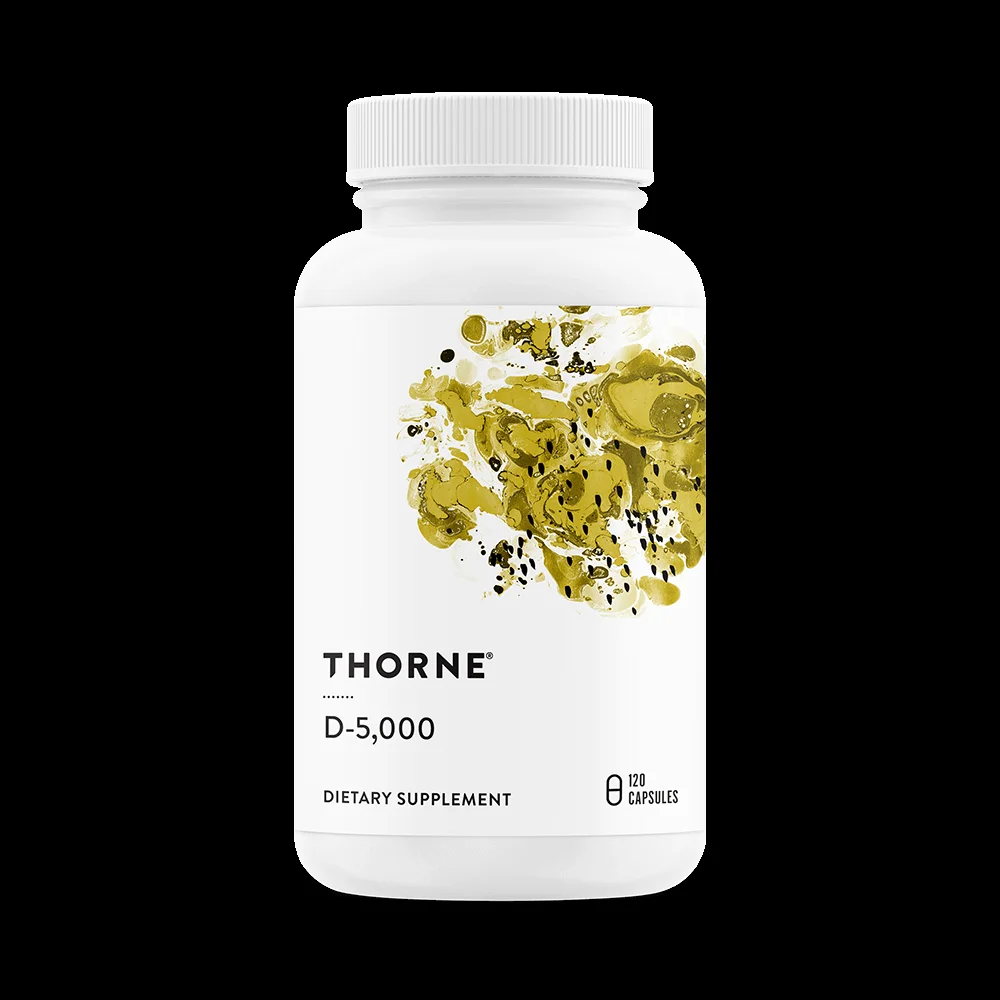
Vitamin D has a documented role in muscle function. Deficiency is associated with muscle weakness, slower gait speed, and higher fall risk in older adults. Supplementation to correct deficiency (typically 1,000–2,000 IU per day for most people, more if blood levels are very low) has been shown to improve muscle function in deficient individuals.
A 2019 meta-analysis in The Journal of Clinical Endocrinology & Metabolism found that vitamin D supplementation significantly improved muscle strength in older adults who were deficient at baseline. Effects in adults with already-normal levels were more modest.
Test your 25-hydroxyvitamin D if you haven’t — it’s a standard lab and most adults over 40 are at least mildly insufficient. Aim for a serum level of at least 30 ng/mL (75 nmol/L). (More in our vitamin D guide.)
4. Sufficient calories
This one is often overlooked. Older adults frequently under-eat total calories, partly due to reduced appetite, partly due to changed taste, partly due to medications. Chronic caloric deficit while trying to build muscle is a losing proposition — muscle protein synthesis is energy-expensive, and the body prioritizes essential functions over new tissue construction when calories are scarce.
The goal isn’t overeating — it’s maintaining enough energy intake that protein and training can actually build muscle. Unintentional weight loss in adults over 65 is associated with increased mortality, and pairs with sarcopenia in a particularly damaging combination called sarcopenic obesity or cachexia that requires active nutritional intervention.
What Doesn’t Work (Or Works Much Less Well)
A few commonly recommended interventions have limited evidence for sarcopenia specifically:
- Walking alone. Walking is excellent for cardiovascular health and should be part of daily life, but it doesn’t provide enough mechanical load to stimulate meaningful muscle protein synthesis on its own. Studies comparing walking programs to resistance training in older adults consistently show walking is insufficient for reversing sarcopenia.
- Stretching and mobility work alone. Same issue. Stretching has a place, but it doesn’t load muscle enough to drive adaptation.
- Light resistance band exercises with very low loads. Better than nothing, but substantially less effective than moderate-load resistance training. The “safe” light-band programs often recommended for older adults underperform progressive loading by a large margin.
- Supplements alone without training. Protein, creatine, HMB, and other supplements are useful adjuncts but can’t replace the mechanical stimulus of training. A protein shake with no resistance training produces minimal muscle building.
Supplements with Some Evidence (Beyond Protein and Vitamin D)
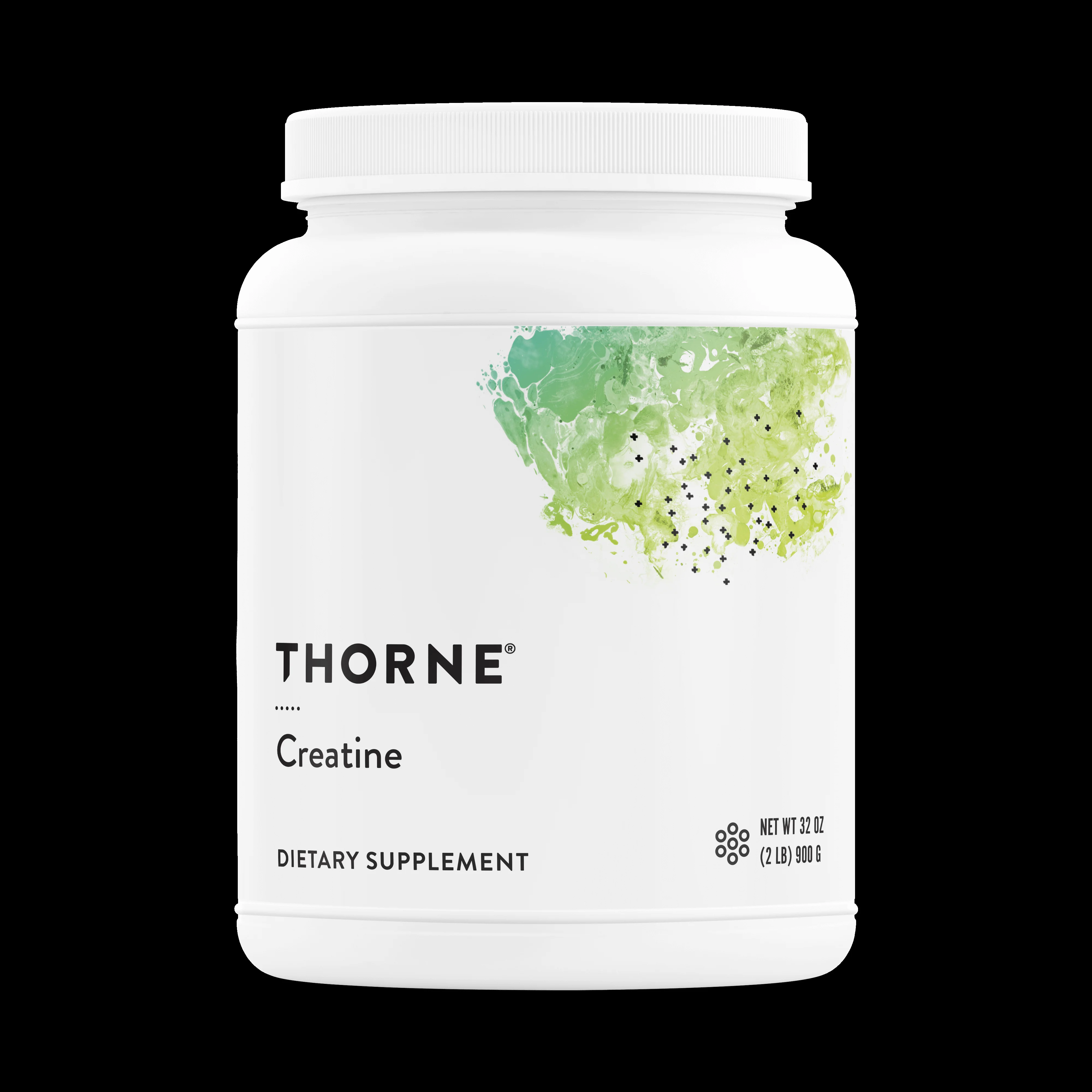
- Creatine monohydrate. 3–5g per day. A 2018 meta-analysis in Experimental Gerontology found that creatine supplementation combined with resistance training produced significantly greater gains in lean mass and strength than training alone in older adults. It’s also safe, cheap, and has potential cognitive benefits that are valuable in this population. (See our creatine guide.)
- HMB (beta-hydroxy-beta-methylbutyrate). 3g per day. Some evidence for reducing muscle breakdown in older adults, particularly during periods of bed rest or inactivity. Less well-established than creatine but plausible as an adjunct for people dealing with acute muscle loss (post-surgery, post-hospitalization).
- Omega-3s (EPA/DHA). 2–3g per day. A 2019 randomized trial in the American Journal of Clinical Nutrition found that omega-3 supplementation enhanced muscle protein synthesis response to resistance training in older adults. Evidence is encouraging but smaller than for creatine or protein.
Timeline: What to Expect
Realistic expectations for a sedentary older adult starting the protocol above:
- Weeks 1–4: Strength improvements of 15–30% (mostly neural adaptation), subjective energy and mood improvements, first signs of better balance and climbing.
- Months 1–3: Measurable muscle growth becomes visible. Chair-stand and gait-speed tests improve noticeably. Typical lean mass gain: 1–2 kg.
- Months 3–6: Further strength and size gains. Functional capacity often reaches levels from 5–10 years earlier. People frequently report feeling “younger” in daily activities.
- Year 1+: Maintenance and continued slow progression. The ceiling is limited by training intensity and protein adherence more than by age.
The most striking feature of sarcopenia reversal is how quickly the strength gains appear. Most people see significant strength improvements within the first few weeks — well before any visible change in muscle size. This is encouraging because it provides early positive feedback that keeps people training.
The Bottom Line
Sarcopenia is common, consequential, and reversible. The protocol isn’t complicated: resistance train 2–3 times per week with progressively heavier loads, eat 1.2–2.0 g/kg of protein per day across 3–4 meals, correct vitamin D deficiency, eat enough total calories, and consider creatine.
Studies in adults in their 80s and 90s show that muscle’s capacity to grow and get stronger doesn’t disappear with age. What disappears is the stimulus. Provide the stimulus and the substrate, and the muscle responds — often dramatically. The earlier you start, the less aggressive the intervention needs to be. The later you start, the more life-changing it becomes.
Build a sarcopenia-reversing training and protein protocol in Formulate →
Supplements that support this
Turn this into your stack
Answer two questions and we'll build an evidence-graded starter stack — every ingredient with its dose, timing, and interaction checks.
Free · no account needed to start
Read next
Protein: How Much, Which Form, and When to Supplement
1.6-2.2 g/kg for muscle, 25-40g per meal ceiling, complete vs incomplete myth. Evidence-based protein guide covering animal and plant sources, supplement forms, and the debunked anabolic window.
Best Multivitamin for Adults Over 50: What to Actually Look For
Over 50, nutrient absorption declines and specific needs change (B12, D, calcium, iron). Most senior multivitamins get it wrong. Here's what to check.
Best Sleep Supplement Protocol 2026: Clinical Evidence Stack
Build a cheap, non-habit-forming sleep stack using magnesium glycinate, L-theanine, and glycine — three compounds with the strongest clinical trial support.
How exercise works — energy systems, aerobic vs. strength adaptation, and recovery.
Evidence-based supplement guides, no spam
We send a short digest when new guides drop — nothing else. No affiliate pushes, no sponsored content, unsubscribe anytime.