Protein Intake for Muscle Growth After 40 — How Much and When
The RDA is half of what you need. The evidence-based target for adults over 40 is 1.6–2.0 g/kg per day across 3–4 meals of 30–40g each. Here’s how to actually hit it.
- Adults over 40 need 1.6–2.2 g/kg protein per day — roughly double the RDA of 0.8 g/kg
- Each meal needs 30–40g protein to trigger muscle protein synthesis (anabolic resistance raises the threshold)
- Distribute protein across 3–4 meals — skewing it all to dinner wastes anabolic opportunities
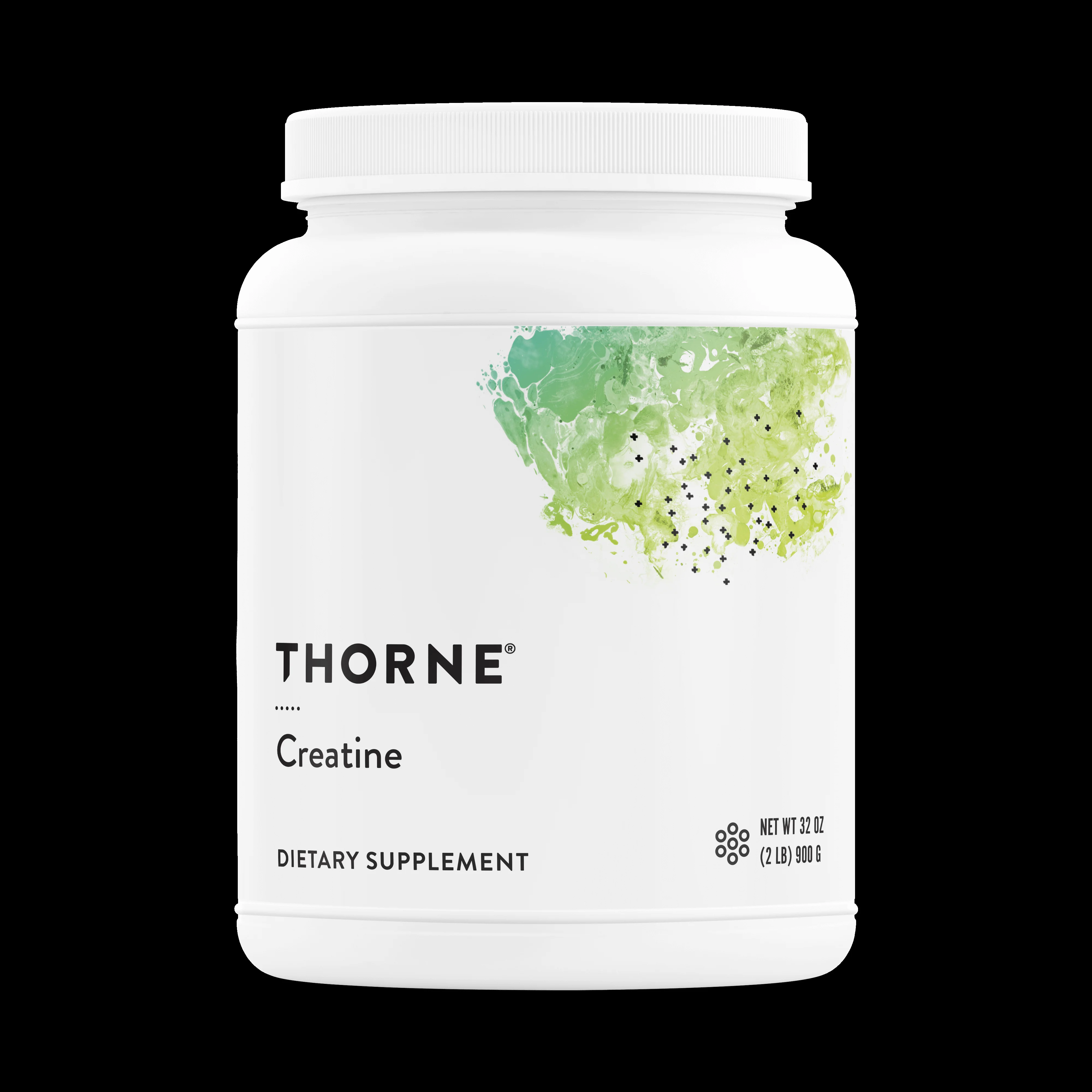
- Creatine monohydrate (3–5g/day) is the most evidence-backed supplement for preserving muscle after 40
The RDA for protein is 0.8 grams per kilogram of body weight per day. If you’re over 40 and trying to build or even maintain muscle, that number is roughly half of what you actually need. This isn’t a marginal disagreement between researchers; it’s a well-documented gap between a dietary standard designed to prevent deficiency and the actual intake required to support muscle protein synthesis in adults experiencing age-related anabolic resistance.
Here’s what the research actually says about protein intake for adults over 40, how to hit the target without obsessing over every meal, and where supplements fit in.
The Short Answer
For a 75 kg (165 lb) adult, that’s 120–165 grams per day, in 4 meals of ~35 grams. Hitting this target consistently is one of the highest-leverage things you can do for muscle mass, recovery, and aging well. Failing to hit it is one of the most common reasons strength training “stops working” for people past 40.
Why the RDA Is Wrong for People Over 40
The problem gets worse after 40 because of a well-documented phenomenon called anabolic resistance: as you age, your muscles become progressively less responsive to a given dose of protein. The same 20g of protein that triggers a robust muscle protein synthesis response in a 25-year-old triggers a noticeably smaller response in a 55-year-old, and an even smaller one in a 70-year-old.
The mechanism involves reduced sensitivity of mTOR signaling, reduced splanchnic uptake efficiency, and changes in amino acid transport into muscle cells. The net effect: older adults need more protein per meal and more total protein per day to achieve the same muscle protein synthesis response as younger adults.
The Evidence for Higher Intake
Key findings from the Morton meta-analysis:
- Protein supplementation during resistance training significantly increased lean mass and 1-rep max strength, with benefits plateauing around 1.6 g/kg of body weight per day.
- The plateau was lower in young people and higher in older adults, suggesting older lifters needed even more to achieve equivalent results.
- Intakes below ~1.2 g/kg produced substantially smaller results than the higher intake groups, despite equivalent training.
Subsequent studies have pushed the recommended range higher for older lifters specifically. A 2022 position paper by the International Society of Sports Nutrition recommended 1.6–2.2 g/kg per day for adults engaged in resistance training, with older adults falling toward the higher end of that range. Strong evidence Multiple aging research groups have independently arrived at similar numbers for sarcopenia prevention.
The practical consensus among researchers specifically studying muscle in older adults now sits around:
- Minimum for muscle maintenance after 40: ~1.2 g/kg per day
- Recommended for muscle building after 40: 1.6–2.0 g/kg per day
- Upper end for aggressive muscle building after 40: ~2.2 g/kg per day
What That Looks Like in Grams
Here’s what the target translates to at different body weights (assuming the 1.6–2.0 g/kg range):
- 130 lb / 59 kg: ~95–118 g per day
- 150 lb / 68 kg: ~109–136 g per day
- 170 lb / 77 kg: ~124–154 g per day
- 190 lb / 86 kg: ~138–172 g per day
- 210 lb / 95 kg: ~152–190 g per day
Most people hitting these numbers the first time are surprised how much food it actually is. A typical “healthy” diet with some chicken at dinner and yogurt for breakfast lands in the 70–90g range for a medium-sized adult. Getting to 140g+ requires a deliberate effort and a rough meal-by-meal accounting of where the protein is coming from.
Distribution Matters: Why 3–4 Meals Beats 2
Muscle protein synthesis isn’t a cumulative number — it’s a pulsed response. Each meal containing sufficient protein triggers a ~3–5 hour window of elevated muscle protein synthesis, and then the response refractory period kicks in. A second dose of protein too soon after the first doesn’t restart the response in a meaningful way.
This has two practical implications:
- Meals must contain enough protein to trigger the response. For older adults, this threshold appears to be roughly 30–40g per meal. A meal containing 15–20g (a common breakfast: yogurt and toast, or cereal with milk) may not reach the threshold at all.
- Spreading intake across 3–4 meals is more effective than 1–2 large meals. A 2014 study in the Journal of Nutrition by Mamerow et al. found that subjects eating protein distributed evenly across 3 meals (~30g each) had 25% higher 24-hour muscle protein synthesis than subjects eating the same total amount skewed toward a single large dinner. Strong evidence
What 30–40 Grams of Protein Actually Looks Like
A rough visual inventory of what a 30–40g serving looks like in common foods:
- 4–5 oz of cooked chicken breast (roughly the size of a deck of cards and a half) — ~35g
- 4–5 oz of salmon or other fish — ~30g
- 4–5 oz of lean beef — ~30g
- 6 oz (170g) of Greek yogurt plus 1 scoop whey — ~35g
- 1 cup (225g) cottage cheese — ~28g (add some seeds or nuts for the rest)
- 5 large eggs — ~30g (most people need more than this to reach 40g from eggs alone)
- 2 scoops whey protein powder — ~50g
- 1.5 cups cooked lentils or chickpeas — ~27g (plant sources tend to come with more carbs per gram of protein)
Building a Simple Meal Template
Most people find it easier to hit their protein target when they have a handful of default meals they can reach for without thinking. A workable template for someone aiming for ~150g per day:
- Breakfast (~35g): Greek yogurt (200g) + 1 scoop whey protein + berries + oats. Or 3 eggs + 2 egg whites + 1 slice of turkey bacon.
- Lunch (~40g): 5oz chicken breast + rice + vegetables. Or a can of tuna + cottage cheese + salad.
- Snack (~25g): Protein shake, cottage cheese with nuts, or jerky + hard-boiled eggs.
- Dinner (~40g): 5oz salmon or lean beef + vegetables + starch of choice.
Total: ~140g protein across 4 meals with reasonable threshold doses at each. This isn’t a diet plan — it’s a protein scaffold you can build the rest of your nutrition around.
Where Protein Supplements Fit In
Protein powders (whey, casein, and plant-based blends) are tools, not magic. They’re useful primarily because hitting 1.6–2.0 g/kg per day from whole food alone is logistically hard for most people, especially at breakfast and around training.
Whey protein is the most studied and most effective for muscle protein synthesis, primarily because of its high leucine content and rapid digestion. A scoop provides 25–30g of protein with very high bioavailability and is cost-effective.
Casein digests more slowly than whey and has been studied specifically for overnight muscle protein synthesis. A pre-bed casein dose (~30–40g) has been shown in multiple studies to elevate overnight muscle protein synthesis and support recovery. Moderate evidence
Plant-based protein powders (pea, soy, rice blends) are good options for vegetarians and vegans, especially blends that provide a complete amino acid profile. Look for at least 20g of protein per serving with a meaningful dose of leucine.

Can You Eat Too Much Protein?
In healthy adults without kidney disease, high protein intakes (up to 3.3 g/kg per day) have been studied extensively and consistently show no adverse effects on kidney function, liver function, or bone health. The old concern about high protein damaging kidneys has been specifically investigated and disproven for people without preexisting renal disease.
The only legitimate concerns about high protein intake are:
- People with existing kidney disease should moderate protein intake under medical guidance.
- Digestive tolerance varies. Some people experience bloating or GI discomfort with very high protein intakes, especially from supplements or concentrated sources.
- Opportunity cost. Calories from protein displace calories from other macronutrients. If you’re already eating at maintenance and want to add protein, something else has to come down.
For the large majority of healthy adults, the ceiling on beneficial protein intake is far above the floor most people are currently hitting.
Common Protein Mistakes
- Counting total grams without checking meal distribution. Hitting 150g per day in 2 meals of 75g each is less effective than hitting 140g in 4 meals of 35g each.
- Confusing “high-protein” marketing labels with actual high-protein food. Many “high-protein” snack bars and cereals contain 5–10g per serving — a rounding error on the scale you need. Read the label.
- Not adjusting as body weight changes. If you gain or lose 20 lbs, your protein target changes. Recalculate periodically.
The Relationship to Training
Protein intake and strength training are synergistic — neither works as well without the other. Protein without training doesn’t build muscle (you just excrete the excess amino acids). Training without enough protein produces blunted muscle protein synthesis and slower gains.
For adults over 40 specifically, both are essential for combating sarcopenia. Strength training provides the stimulus; protein provides the substrate. Neither is optional. (See our training after 50 guide for the training side.)
The Bottom Line
Adults over 40 who strength train should aim for 1.6–2.0 grams of protein per kilogram of body weight per day, distributed across 3–4 meals of at least 30–40 grams each. The RDA of 0.8 g/kg is roughly half of what you actually need for muscle maintenance and growth. Hitting the higher target is one of the highest-leverage things you can do for body composition, recovery, and aging.
The mechanism is well-understood (anabolic resistance and pulsed muscle protein synthesis), the evidence is robust, and the adjustment is practical. Most people just need to front-load their protein at breakfast and add a scoop of whey to whatever they’re already eating.
Supplements that support this
Turn this into your stack
Answer two questions and we'll build an evidence-graded starter stack — every ingredient with its dose, timing, and interaction checks.
Free · no account needed to start
Read next
Protein: How Much, Which Form, and When to Supplement
1.6-2.2 g/kg for muscle, 25-40g per meal ceiling, complete vs incomplete myth. Evidence-based protein guide covering animal and plant sources, supplement forms, and the debunked anabolic window.
Cold Plunge Benefits and Risks: What the Evidence Shows
Cold shock and drowning risk, what cold water does for mood and soreness, why plunging after lifting can blunt muscle growth, and who should avoid it.
Do You Need a Multivitamin? Clinical Evidence 2026
Most adults take multivitamins as nutritional insurance — but 700,000-person studies show near-zero mortality benefit. Learn when one helps and when to target instead.
How exercise works — energy systems, aerobic vs. strength adaptation, and recovery.
Evidence-based supplement guides, no spam
We send a short digest when new guides drop — nothing else. No affiliate pushes, no sponsored content, unsubscribe anytime.