Fat-soluble vitamins
Vitamin E
Antioxidant
Lipid-soluble antioxidant; protects membranes from oxidative damage.
Upper-limit caution
The Tolerable Upper Intake Level for Vitamin E is 1000 mg per day. Routine intakes above this level — counting food + supplements — raise the risk of adverse effects. Multivitamins, fortified foods, and standalone supplements stack faster than people expect.
What Vitamin E does
Vitamin E is a family of eight compounds — four tocopherols and four tocotrienols. Alpha-tocopherol is the form maintained in human plasma and the only one with an established RDA. Its primary job is interrupting lipid peroxidation chains in cell membranes and LDL particles. High-dose alpha-tocopherol monotherapy (>400 IU/day) has been associated with all-cause mortality increases in meta-analyses and may displace other tocopherols from circulation, so mixed-tocopherol products at modest doses are generally preferred.
Food sources of Vitamin E
Approximate Vitamin E content per serving. Whole-food intake counts toward your daily total alongside any supplemental dose.
| Food | Serving | Vitamin E |
|---|---|---|
| Sunflower seeds | 1 oz | 7 mg |
| Almonds | 1 oz | 7 mg |
| Sunflower oil | 1 tbsp | 5 mg |
| Avocado | 1 medium | 4 mg |
| Hazelnuts | 1 oz | 4 mg |
| Cooked spinach | 1 cup | 4 mg |
Signs of Vitamin E deficiency
- ●Peripheral neuropathy, ataxia, loss of position sense
- ●Skeletal myopathy with elevated CK
- ●Hemolytic anemia in premature infants
- ●Impaired immune function, particularly cell-mediated
Who needs more Vitamin E
Groups and situations where Vitamin E requirements rise or status commonly runs low:
- ●Fat-malabsorption disorders (cystic fibrosis, cholestatic liver disease, abetalipoproteinemia)
- ●Severe pancreatic insufficiency
- ●Very low-fat diets that exclude nuts, seeds, and seed oils
Forms to avoid
Not all Vitamin E forms absorb equally well. The following forms are commonly used because they're cheap, but their bioavailability is materially lower than alternatives — watch for them on supplement labels:
- dl-alpha-tocopherol
- synthetic
Formulate's product scoring penalizes these forms when they appear as the primary Vitamin E source — see the methodology page for the rubric.
How Vitamin E appears on labels
Supplement labels list Vitamin E under several names depending on the chemical form used. Any of these on an ingredients panel counts toward your Vitamin E intake:
- vitamin e
- alpha-tocopherol
- alpha tocopherol
- d-alpha-tocopherol
- mixed tocopherols
- tocotrienols
Best supplements for Vitamin E
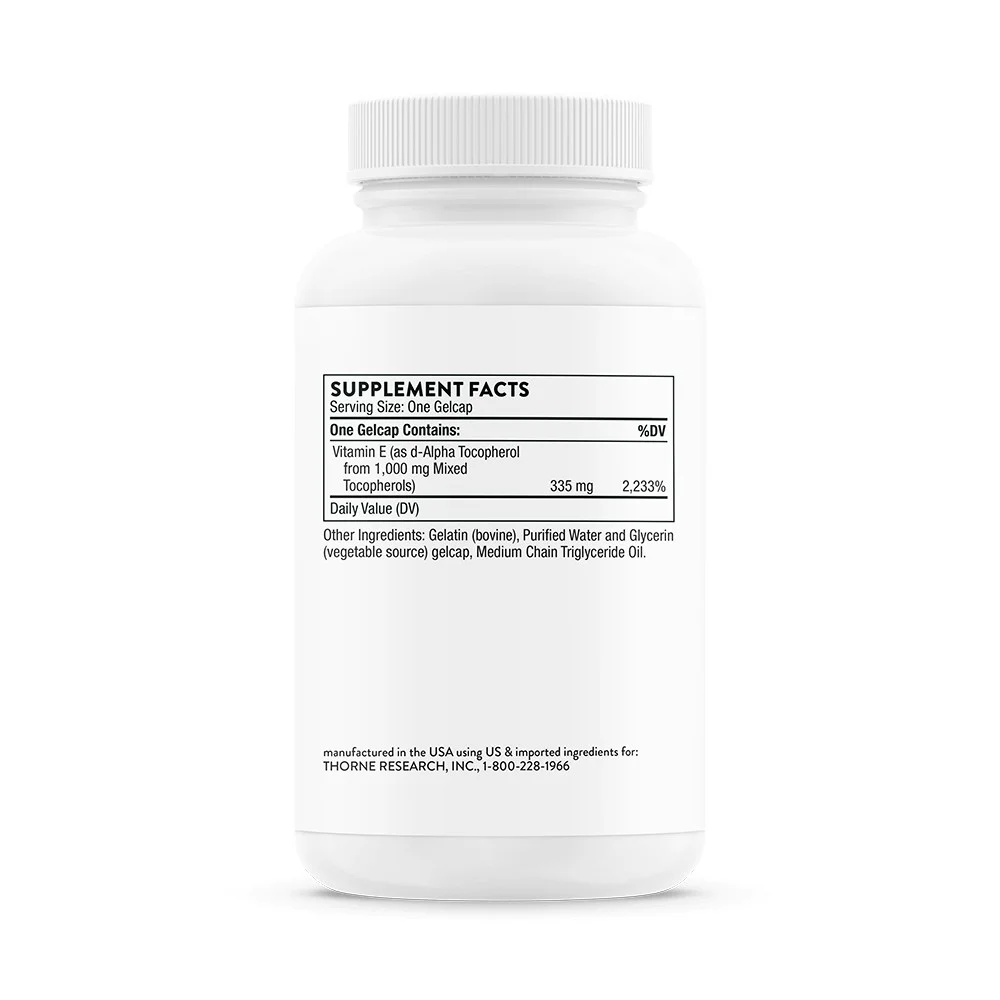
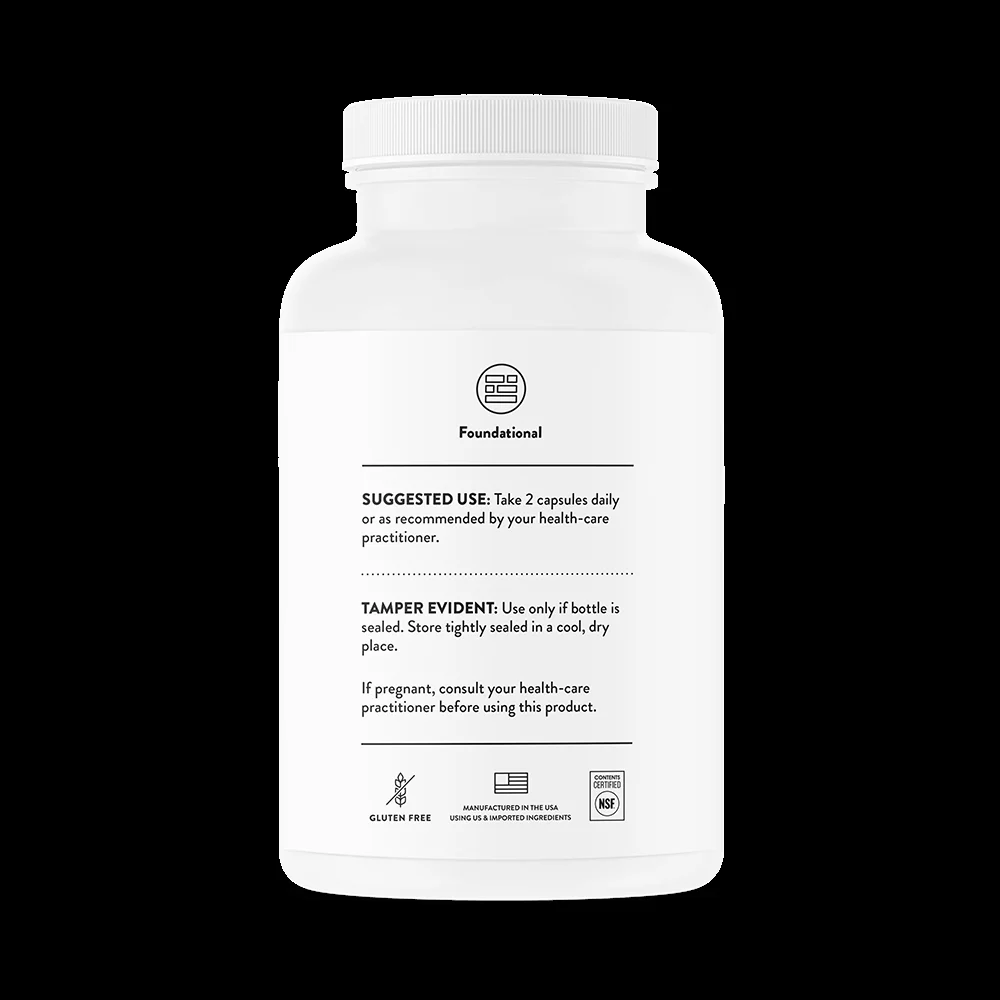
Top-scoring supplements in our catalog that list Vitamin E on the label. Each product is graded on Formulate's ingredient-level rubric — dose accuracy, form, transparency, and third-party testing.



Deep dive
For mechanism of action, dosing protocols, evidence grade, and interaction warnings on Vitamin E, see the full encyclopedia entry:
Vitamin E encyclopedia entry →Research on Vitamin E
Peer-reviewed studies in our research database that reference Vitamin E. Each entry links to a detailed methodology review.
- Loguercio C, Andreone P, Brisc C, et al., 2012 · Free Radical Biology and MedicineSilybin combined with phosphatidylcholine and vitamin E in patients with nonalcoholic fatty liver disease
- Lippman SM, Klein EA, Goodman PJ, et al., 2009 · JAMAEffect of selenium and vitamin E on risk of prostate cancer and other cancers: the Selenium and Vitamin E Cancer Prevention Trial (SELECT)
Frequently asked questions
What is the daily target for Vitamin E?
What foods are highest in Vitamin E?
What is the best form of Vitamin E to supplement?
What are the signs of Vitamin E deficiency?
Who is most at risk for low Vitamin E?
Related fat-soluble vitamins
Track your full intake
Formulate's free web app aggregates Vitamin E (and ~40 other nutrients) across every supplement in your stack — flagging underdoses, overlaps, and upper-limit overshoots in one view.
Track your intake free →Are you getting enough Vitamin E?
See your coverage across every nutrient at once, counting both what you eat and what you supplement.
Check my coverage2 questions · free · no account needed to start
Also on iPhone — get the free app
Evidence-based supplement guides, no spam
We send a short digest when new guides drop — nothing else. No affiliate pushes, no sponsored content, unsubscribe anytime.
Medical disclaimer. This page is educational and does not replace advice from a qualified healthcare provider. Targets and upper limits are general adult reference values; individual needs vary by age, sex, pregnancy status, and clinical context.