Fat-soluble vitamins
Vitamin A
Vision · immunity
Retinal function, immune response, skin and mucous membrane health.
Upper-limit caution
The Tolerable Upper Intake Level for Vitamin A is 3000 mcg per day. Routine intakes above this level — counting food + supplements — raise the risk of adverse effects. Multivitamins, fortified foods, and standalone supplements stack faster than people expect.
What Vitamin A does
Vitamin A exists in two distinct pools. Preformed retinoids (retinol, retinyl esters) come from animal foods and supplements and are usable as-is. Provitamin carotenoids (beta-carotene, alpha-carotene) come from orange and dark-leafy plants and are converted to retinol on demand — conversion is rate-limited by your current status, so plant sources can't easily push you into toxicity. Preformed retinol can: chronic intakes above the upper limit cause liver damage, bone loss, and during pregnancy are teratogenic. Mixed sources are safer than retinol-only megadoses.
Food sources of Vitamin A
Approximate Vitamin A content per serving. Whole-food intake counts toward your daily total alongside any supplemental dose.
| Food | Serving | Vitamin A |
|---|---|---|
| Beef liver (cooked) | 3 oz | 6,500 mcg RAE |
| Sweet potato (baked, with skin) | 1 medium | 1,400 mcg RAE |
| Cooked spinach | 1 cup | 950 mcg RAE |
| Cooked carrots | 1 cup | 1,300 mcg RAE |
| Cantaloupe | 1 cup cubed | 270 mcg RAE |
| Egg yolk | 1 large | 75 mcg RAE |
Signs of Vitamin A deficiency
- ●Night blindness — the earliest and most specific sign
- ●Dry eyes, Bitot's spots, corneal ulceration in advanced cases
- ●Increased respiratory and gastrointestinal infections
- ●Dry, scaly skin and impaired wound healing
Who needs more Vitamin A
Groups and situations where Vitamin A requirements rise or status commonly runs low:
- ●Cystic fibrosis and fat-malabsorption disorders (Crohn's, celiac, pancreatic insufficiency)
- ●Recent bariatric surgery — duodenal/jejunal bypass impairs absorption
- ●Strict low-fat diets that also exclude orange and leafy vegetables
- ●Premature infants and severely undernourished children
How Vitamin A appears on labels
Supplement labels list Vitamin A under several names depending on the chemical form used. Any of these on an ingredients panel counts toward your Vitamin A intake:
- vitamin a
- retinol
- retinyl palmitate
- retinyl acetate
- beta-carotene
- beta carotene
Best supplements for Vitamin A
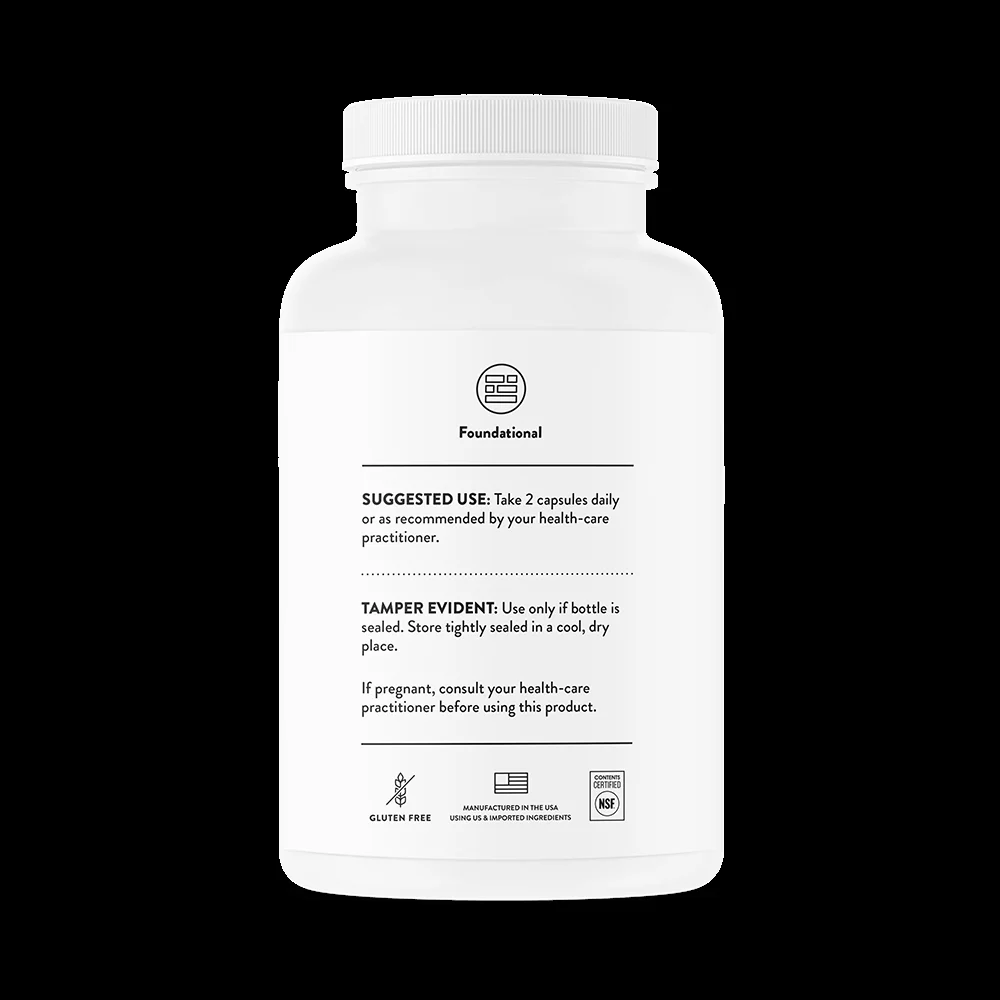
Top-scoring supplements in our catalog that list Vitamin A on the label. Each product is graded on Formulate's ingredient-level rubric — dose accuracy, form, transparency, and third-party testing.




Deep dive
For mechanism of action, dosing protocols, evidence grade, and interaction warnings on Vitamin A, see the full encyclopedia entry:
Beta-Carotene encyclopedia entry →Guides covering Vitamin A
Long-form articles in our guide library that go deeper on Vitamin A — comparisons, protocols, and reviews.
Frequently asked questions
What is the daily target for Vitamin A?
What foods are highest in Vitamin A?
What is the best form of Vitamin A to supplement?
What are the signs of Vitamin A deficiency?
Who is most at risk for low Vitamin A?
Related fat-soluble vitamins
Track your full intake
Formulate's free web app aggregates Vitamin A (and ~40 other nutrients) across every supplement in your stack — flagging underdoses, overlaps, and upper-limit overshoots in one view.
Track your intake free →Are you getting enough Vitamin A?
See your coverage across every nutrient at once, counting both what you eat and what you supplement.
Check my coverage2 questions · free · no account needed to start
Also on iPhone — get the free app
Evidence-based supplement guides, no spam
We send a short digest when new guides drop — nothing else. No affiliate pushes, no sponsored content, unsubscribe anytime.
Medical disclaimer. This page is educational and does not replace advice from a qualified healthcare provider. Targets and upper limits are general adult reference values; individual needs vary by age, sex, pregnancy status, and clinical context.