Other tracked
Omega-3 (EPA+DHA)
Cardio · brain
EPA+DHA — anti-inflammatory, cardiovascular, brain membrane. Target reflects common AHA/NIH guidance (no FDA DV).
What Omega-3 (EPA+DHA) does
Omega-3 refers to a family of polyunsaturated fats with double bonds three carbons from the methyl end. The two long-chain forms with established clinical relevance are EPA (eicosapentaenoic acid) and DHA (docosahexaenoic acid), both abundant in cold-water fish. ALA (alpha-linolenic acid) from flax, chia, and walnuts is also omega-3 but converts to EPA at only ~5–10% efficiency, and to DHA at <0.5% — it's not a substitute. The strongest evidence is for triglyceride lowering (clear) and cardiovascular events in primary prevention (modest); claims for cognition, mood, and joint health vary in support.
Food sources of Omega-3 (EPA+DHA)
Approximate Omega-3 (EPA+DHA) content per serving. Whole-food intake counts toward your daily total alongside any supplemental dose.
| Food | Serving | Omega-3 (EPA+DHA) |
|---|---|---|
| Wild salmon (cooked) | 3 oz | 1,800 mg EPA+DHA |
| Sardines (canned) | 3 oz | 1,200 mg EPA+DHA |
| Mackerel (cooked) | 3 oz | 2,500 mg EPA+DHA |
| Anchovies (canned) | 2 oz | 1,000 mg EPA+DHA |
| Algae oil supplement | 1 capsule | 300–500 mg DHA |
| Ground flaxseed | 1 tbsp | 2,300 mg ALA (~115 mg net EPA equivalent) |
Signs of Omega-3 (EPA+DHA) deficiency
- ●No formal deficiency syndrome — likely contribution to dry skin, scaly rash, poor visual acuity in extreme depletion
- ●Chronically low intake associated with worse outcomes for cardiovascular disease, depression, retinal health (observational)
Who needs more Omega-3 (EPA+DHA)
Groups and situations where Omega-3 (EPA+DHA) requirements rise or status commonly runs low:
- ●People who don't eat fatty fish twice a week (most US adults)
- ●Pregnancy and lactation — DHA accrues rapidly in fetal brain through last trimester
- ●Triglycerides above 500 mg/dL (prescription icosapent ethyl is FDA-indicated)
- ●Vegan diets (ALA conversion is insufficient — algae-derived DHA is the alternative)
How Omega-3 (EPA+DHA) appears on labels
Supplement labels list Omega-3 (EPA+DHA) under several names depending on the chemical form used. Any of these on an ingredients panel counts toward your Omega-3 (EPA+DHA) intake:
- omega-3
- omega 3
- epa
- dha
- epa+dha
- fish oil
- eicosapentaenoic acid
- docosahexaenoic acid
Best supplements for Omega-3 (EPA+DHA)
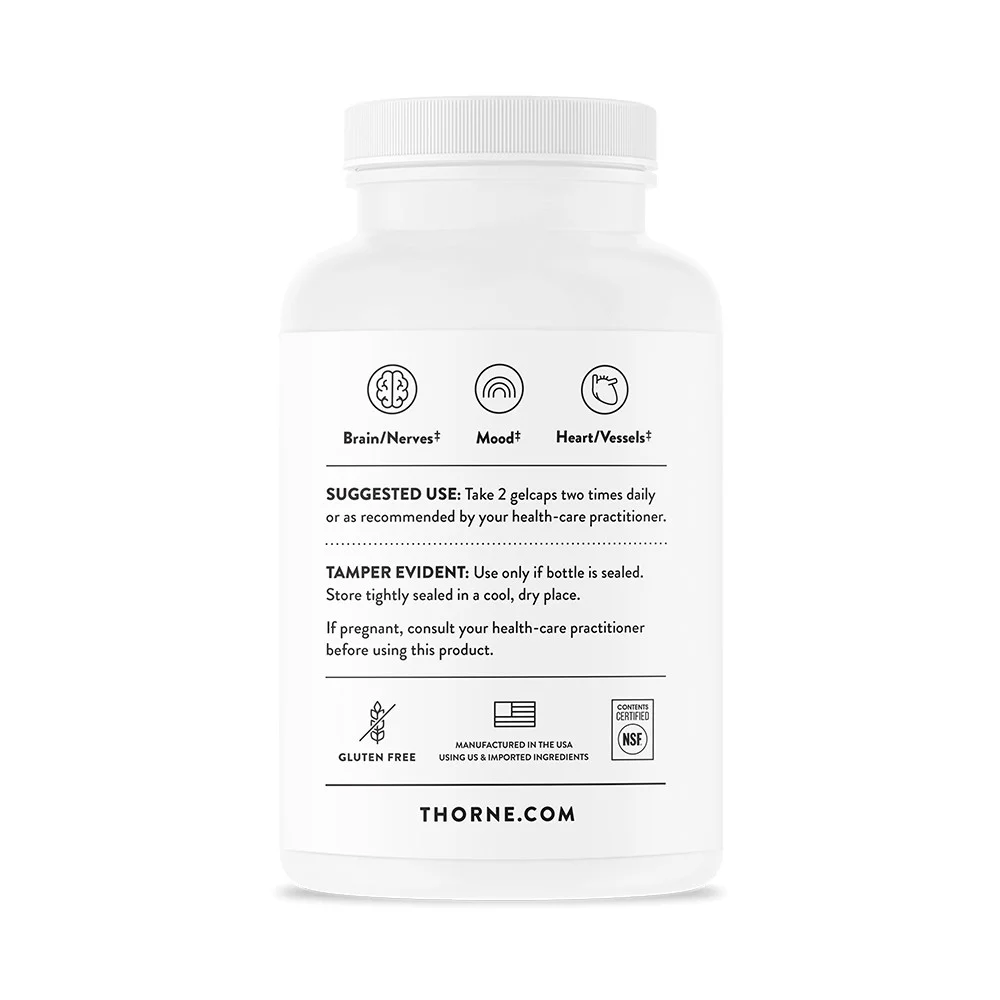
Top-scoring supplements in our catalog that list Omega-3 (EPA+DHA) on the label. Each product is graded on Formulate's ingredient-level rubric — dose accuracy, form, transparency, and third-party testing.



Deep dive
For mechanism of action, dosing protocols, evidence grade, and interaction warnings on Omega-3 (EPA+DHA), see the full encyclopedia entry:
DHA (Docosahexaenoic Acid) encyclopedia entry →Conditions where Omega-3 (EPA+DHA) has evidence
Omega-3 (EPA+DHA) appears on the supplement list for the following condition pages — each links to the full evidence summary, dose, and lifestyle context.
Research on Omega-3 (EPA+DHA)
Peer-reviewed studies in our research database that reference Omega-3 (EPA+DHA). Each entry links to a detailed methodology review.
- Nicholls et al., 2020 · JAMAEffect of High-Dose Omega-3 Fatty Acids vs Corn Oil on Major Adverse Cardiovascular Events (STRENGTH)
- Skulas-Ray et al., 2019 · CirculationOmega-3 Fatty Acids for the Management of Hypertriglyceridemia: A Science Advisory From the American Heart Association
- Bhatt DL, Steg PG, Miller M, et al., 2019 · New England Journal of MedicineCardiovascular Risk Reduction with Icosapent Ethyl for Hypertriglyceridemia (REDUCE-IT)
- Liao et al., 2019 · Translational PsychiatryEfficacy of omega-3 PUFAs in depression: a meta-analysis
- Aung et al., 2018 · JAMA CardiologyAssociations of omega-3 fatty acid supplement use with cardiovascular disease risks: meta-analysis of 10 trials involving 77,917 individuals
Guides covering Omega-3 (EPA+DHA)
Long-form articles in our guide library that go deeper on Omega-3 (EPA+DHA) — comparisons, protocols, and reviews.
- Roundup · 9 min readBest Omega-3 Supplements 2026, Ranked by Clinical Evidence
- Guide · 11 min readAshwagandha Guide 2026: Clinical Evidence Reviewed
- Roundup · 11 min readBest Adaptogens for Stress: Ashwagandha vs Rhodiola vs Reishi
- Review · 9 min readAshwagandha for Testosterone: What the Evidence Actually Shows
Frequently asked questions
What is the daily target for Omega-3 (EPA+DHA)?
What foods are highest in Omega-3 (EPA+DHA)?
What is the best form of Omega-3 (EPA+DHA) to supplement?
What are the signs of Omega-3 (EPA+DHA) deficiency?
Who is most at risk for low Omega-3 (EPA+DHA)?
Related other tracked
Track your full intake
Formulate's free web app aggregates Omega-3 (EPA+DHA) (and ~40 other nutrients) across every supplement in your stack — flagging underdoses, overlaps, and upper-limit overshoots in one view.
Track your intake free →Are you getting enough Omega-3 (EPA+DHA)?
See your coverage across every nutrient at once, counting both what you eat and what you supplement.
Check my coverage2 questions · free · no account needed to start
Also on iPhone — get the free app
Evidence-based supplement guides, no spam
We send a short digest when new guides drop — nothing else. No affiliate pushes, no sponsored content, unsubscribe anytime.
Medical disclaimer. This page is educational and does not replace advice from a qualified healthcare provider. Targets and upper limits are general adult reference values; individual needs vary by age, sex, pregnancy status, and clinical context.