Other tracked
Protein
Muscle · satiety
Amino acids for muscle protein synthesis, enzymes, hormones.
What Protein does
Protein supplies the nine essential amino acids the body can't make and the substrate for building all enzymes, tissues, hormones, immune cells, and neurotransmitters. The 50 g DV is a 'prevent deficiency' floor, not an optimum. The actual RDA of 0.8 g/kg is widely considered too low for older adults and for active people; 1.2–1.6 g/kg is the modern recommendation for muscle preservation and recovery, with diminishing returns above 2 g/kg. Distribution matters — ~30 g per meal stimulates muscle protein synthesis better than 60 g once and 0 g elsewhere.
Food sources of Protein
Approximate Protein content per serving. Whole-food intake counts toward your daily total alongside any supplemental dose.
| Food | Serving | Protein |
|---|---|---|
| Cooked chicken breast | 3 oz | 26 g |
| Cooked salmon | 3 oz | 22 g |
| Cooked beef | 3 oz | 25 g |
| Greek yogurt (plain, nonfat) | 1 cup | 23 g |
| Lentils (cooked) | 1 cup | 18 g |
| Tofu (firm) | 1/2 cup | 20 g |
| Whey protein | 1 scoop | 20–25 g |
Signs of Protein deficiency
- ●Sarcopenia and loss of muscle mass (especially in older adults)
- ●Slow wound healing, brittle hair and nails, edema in severe cases
- ●Frequent infections (immune cells need protein turnover)
- ●Children: kwashiorkor, growth failure
Who needs more Protein
Groups and situations where Protein requirements rise or status commonly runs low:
- ●Older adults (60+) — anabolic resistance means higher per-meal protein is needed
- ●Resistance-training athletes (1.6–2.2 g/kg/day)
- ●Recovery from surgery, injury, or critical illness
- ●Weight-loss phases — higher protein preserves lean mass
How Protein appears on labels
Supplement labels list Protein under several names depending on the chemical form used. Any of these on an ingredients panel counts toward your Protein intake:
- protein
- whey protein
- casein
- pea protein
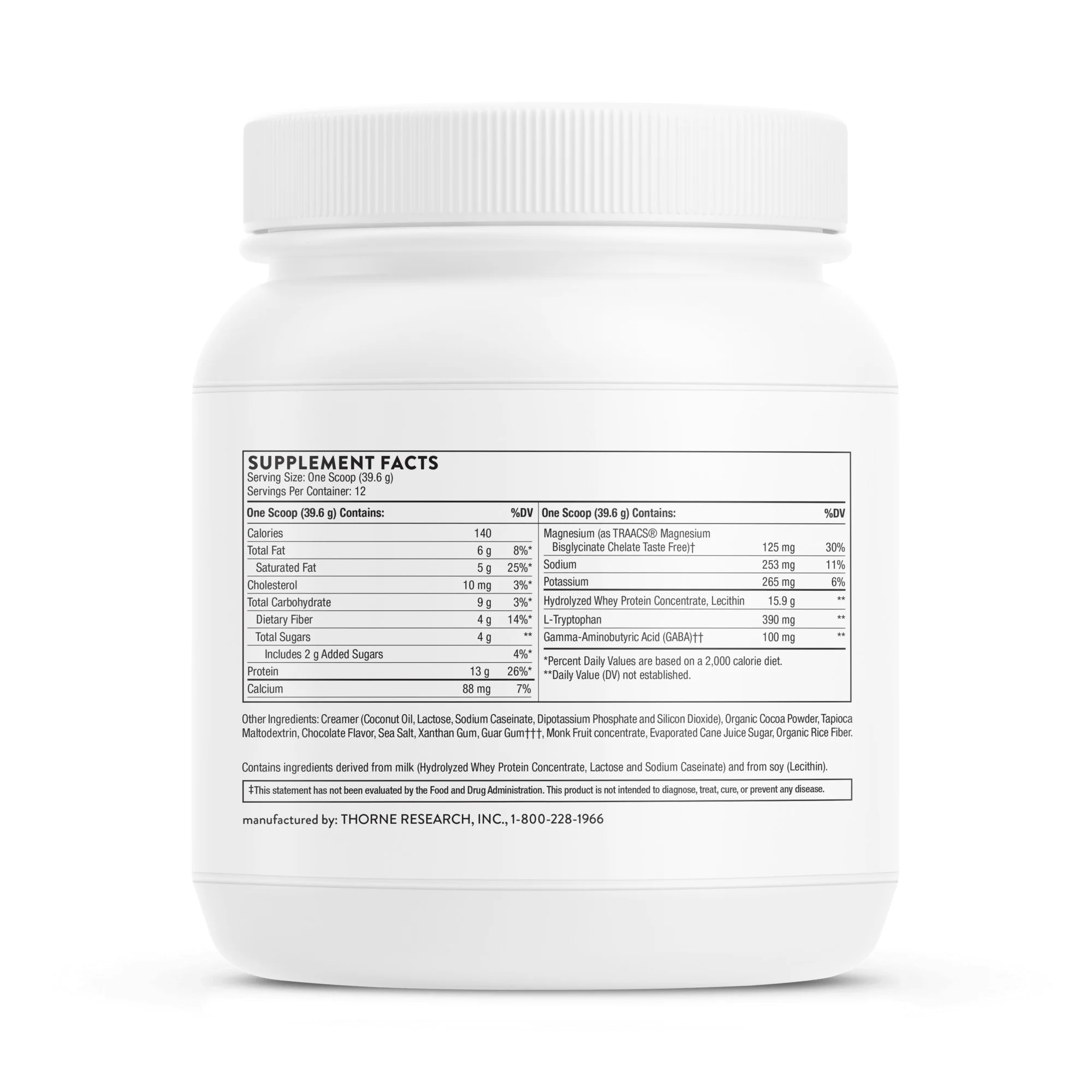
Best supplements for Protein
Top-scoring supplements in our catalog that list Protein on the label. Each product is graded on Formulate's ingredient-level rubric — dose accuracy, form, transparency, and third-party testing.


Deep dive
For mechanism of action, dosing protocols, evidence grade, and interaction warnings on Protein, see the full encyclopedia entry:
Pea Protein encyclopedia entry →Research on Protein
Peer-reviewed studies in our research database that reference Protein. Each entry links to a detailed methodology review.
Guides covering Protein
Long-form articles in our guide library that go deeper on Protein — comparisons, protocols, and reviews.
Frequently asked questions
What is the daily target for Protein?
What foods are highest in Protein?
What is the best form of Protein to supplement?
What are the signs of Protein deficiency?
Who is most at risk for low Protein?
Related other tracked
Track your full intake
Formulate's free web app aggregates Protein (and ~40 other nutrients) across every supplement in your stack — flagging underdoses, overlaps, and upper-limit overshoots in one view.
Track your intake free →Are you getting enough Protein?
See your coverage across every nutrient at once, counting both what you eat and what you supplement.
Check my coverage2 questions · free · no account needed to start
Also on iPhone — get the free app
Evidence-based supplement guides, no spam
We send a short digest when new guides drop — nothing else. No affiliate pushes, no sponsored content, unsubscribe anytime.
Medical disclaimer. This page is educational and does not replace advice from a qualified healthcare provider. Targets and upper limits are general adult reference values; individual needs vary by age, sex, pregnancy status, and clinical context.