Water-soluble vitamins
Vitamin B5 (Pantothenic Acid)
Coenzyme A
Coenzyme A synthesis; fatty acid and energy metabolism.
What Vitamin B5 (Pantothenic Acid) does
Pantothenic acid is the structural backbone of coenzyme A and the acyl carrier protein of fatty-acid synthase. It's required for nearly every reaction that activates an acyl group — fatty acid oxidation, ketogenesis, cholesterol synthesis, heme synthesis, and acetylcholine production all depend on CoA. Because pantothenic acid is widespread in foods (the name is from Greek for 'from everywhere'), isolated deficiency is essentially never seen in normal eating patterns.
Food sources of Vitamin B5 (Pantothenic Acid)
Approximate Vitamin B5 (Pantothenic Acid) content per serving. Whole-food intake counts toward your daily total alongside any supplemental dose.
| Food | Serving | Vitamin B5 (Pantothenic Acid) |
|---|---|---|
| Beef liver (cooked) | 3 oz | 8 mg |
| Sunflower seeds | 1 oz | 2 mg |
| Avocado | 1 medium | 2 mg |
| Cooked salmon | 3 oz | 1.5 mg |
| Mushrooms (cooked) | 1 cup | 3 mg |
| Cooked chicken breast | 3 oz | 1 mg |
Signs of Vitamin B5 (Pantothenic Acid) deficiency
- ●Only seen in experimental antagonist studies and severe malnutrition
- ●Burning-feet syndrome reported in WWII POWs
- ●Fatigue, headache, irritability with mixed B-vitamin undernutrition
Who needs more Vitamin B5 (Pantothenic Acid)
Groups and situations where Vitamin B5 (Pantothenic Acid) requirements rise or status commonly runs low:
- ●Severe generalized malnutrition
- ●Specific genetic disorders of CoA synthesis (very rare)
How Vitamin B5 (Pantothenic Acid) appears on labels
Supplement labels list Vitamin B5 (Pantothenic Acid) under several names depending on the chemical form used. Any of these on an ingredients panel counts toward your Vitamin B5 (Pantothenic Acid) intake:
- pantothenic acid
- vitamin b5
- vitamin b-5
- pantothenate
- calcium pantothenate
- d-pantothenic acid
Best supplements for Vitamin B5 (Pantothenic Acid)
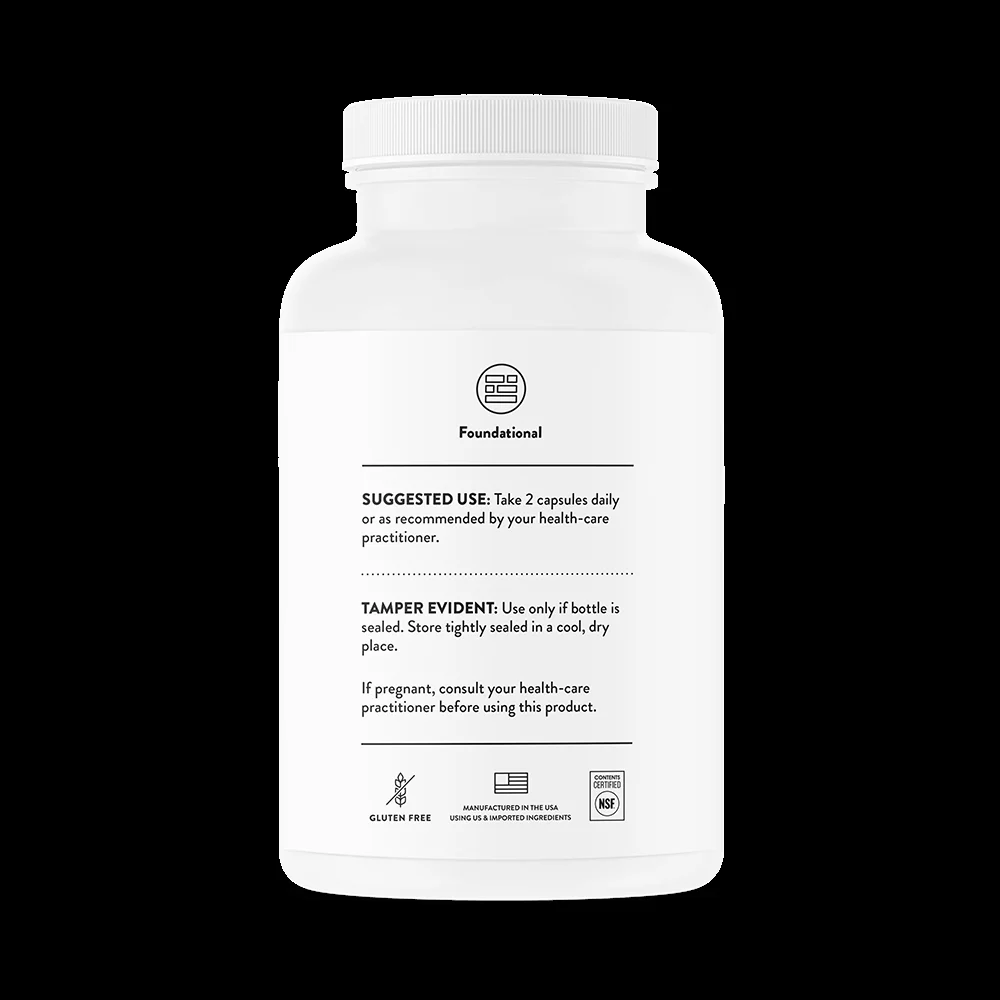
Top-scoring supplements in our catalog that list Vitamin B5 (Pantothenic Acid) on the label. Each product is graded on Formulate's ingredient-level rubric — dose accuracy, form, transparency, and third-party testing.




Deep dive
For mechanism of action, dosing protocols, evidence grade, and interaction warnings on Vitamin B5 (Pantothenic Acid), see the full encyclopedia entry:
Pantothenic Acid (Vitamin B5) encyclopedia entry →Frequently asked questions
What is the daily target for Vitamin B5 (Pantothenic Acid)?
What foods are highest in Vitamin B5 (Pantothenic Acid)?
What are the signs of Vitamin B5 (Pantothenic Acid) deficiency?
Who is most at risk for low Vitamin B5 (Pantothenic Acid)?
Related water-soluble vitamins
Track your full intake
Formulate's free web app aggregates Vitamin B5 (Pantothenic Acid) (and ~40 other nutrients) across every supplement in your stack — flagging underdoses, overlaps, and upper-limit overshoots in one view.
Track your intake free →Are you getting enough Vitamin B5 (Pantothenic Acid)?
See your coverage across every nutrient at once, counting both what you eat and what you supplement.
Check my coverage2 questions · free · no account needed to start
Also on iPhone — get the free app
Evidence-based supplement guides, no spam
We send a short digest when new guides drop — nothing else. No affiliate pushes, no sponsored content, unsubscribe anytime.
Medical disclaimer. This page is educational and does not replace advice from a qualified healthcare provider. Targets and upper limits are general adult reference values; individual needs vary by age, sex, pregnancy status, and clinical context.