Water-soluble vitamins
Vitamin B9 (Folate)
DNA synthesis
One-carbon metabolism; DNA synthesis, methylation, red blood cell formation.
Upper-limit caution
The Tolerable Upper Intake Level for Vitamin B9 (Folate) is 1000 mcg per day. Routine intakes above this level — counting food + supplements — raise the risk of adverse effects. Multivitamins, fortified foods, and standalone supplements stack faster than people expect.
What Vitamin B9 (Folate) does
Folate is required for one-carbon transfer reactions — DNA synthesis, methylation of DNA and proteins, and conversion of homocysteine to methionine. Adequate folate before conception and through the first trimester is the single most cost-effective intervention against neural tube defects, which is why grain fortification with folic acid was mandated in the US in 1998. Folic acid (synthetic) and methylfolate (natural/active) both work; people with reduced MTHFR activity may prefer methylfolate, but the clinical importance of MTHFR variants for healthy adults is overstated in marketing.
Food sources of Vitamin B9 (Folate)
Approximate Vitamin B9 (Folate) content per serving. Whole-food intake counts toward your daily total alongside any supplemental dose.
| Food | Serving | Vitamin B9 (Folate) |
|---|---|---|
| Beef liver (cooked) | 3 oz | 215 mcg DFE |
| Lentils (cooked) | 1/2 cup | 180 mcg DFE |
| Cooked spinach | 1 cup | 260 mcg DFE |
| Asparagus (cooked) | 1/2 cup | 135 mcg DFE |
| Avocado | 1 medium | 165 mcg DFE |
| Fortified bread | 1 slice | 60 mcg DFE |
Signs of Vitamin B9 (Folate) deficiency
- ●Macrocytic (megaloblastic) anemia — large, immature red blood cells
- ●Glossitis, mouth ulcers
- ●Fatigue, irritability, difficulty concentrating
- ●Elevated homocysteine on a serum panel
- ●Neural tube defects in offspring of deficient mothers (spina bifida, anencephaly)
Who needs more Vitamin B9 (Folate)
Groups and situations where Vitamin B9 (Folate) requirements rise or status commonly runs low:
- ●Anyone planning pregnancy — start 400 mcg/day at least 1 month preconception
- ●Pregnancy and lactation — RDA rises to 600 and 500 mcg DFE
- ●Long-term methotrexate, sulfasalazine, anti-epileptic, or trimethoprim use
- ●Alcohol use disorder
Forms to avoid
Not all Vitamin B9 (Folate) forms absorb equally well. The following forms are commonly used because they're cheap, but their bioavailability is materially lower than alternatives — watch for them on supplement labels:
- folic acid
Formulate's product scoring penalizes these forms when they appear as the primary Vitamin B9 (Folate) source — see the methodology page for the rubric.
How Vitamin B9 (Folate) appears on labels
Supplement labels list Vitamin B9 (Folate) under several names depending on the chemical form used. Any of these on an ingredients panel counts toward your Vitamin B9 (Folate) intake:
- folate
- folic acid
- vitamin b9
- vitamin b-9
- methylfolate
- 5-mthf
- l-methylfolate
- folinic acid
Best supplements for Vitamin B9 (Folate)
Top-scoring supplements in our catalog that list Vitamin B9 (Folate) on the label. Each product is graded on Formulate's ingredient-level rubric — dose accuracy, form, transparency, and third-party testing.


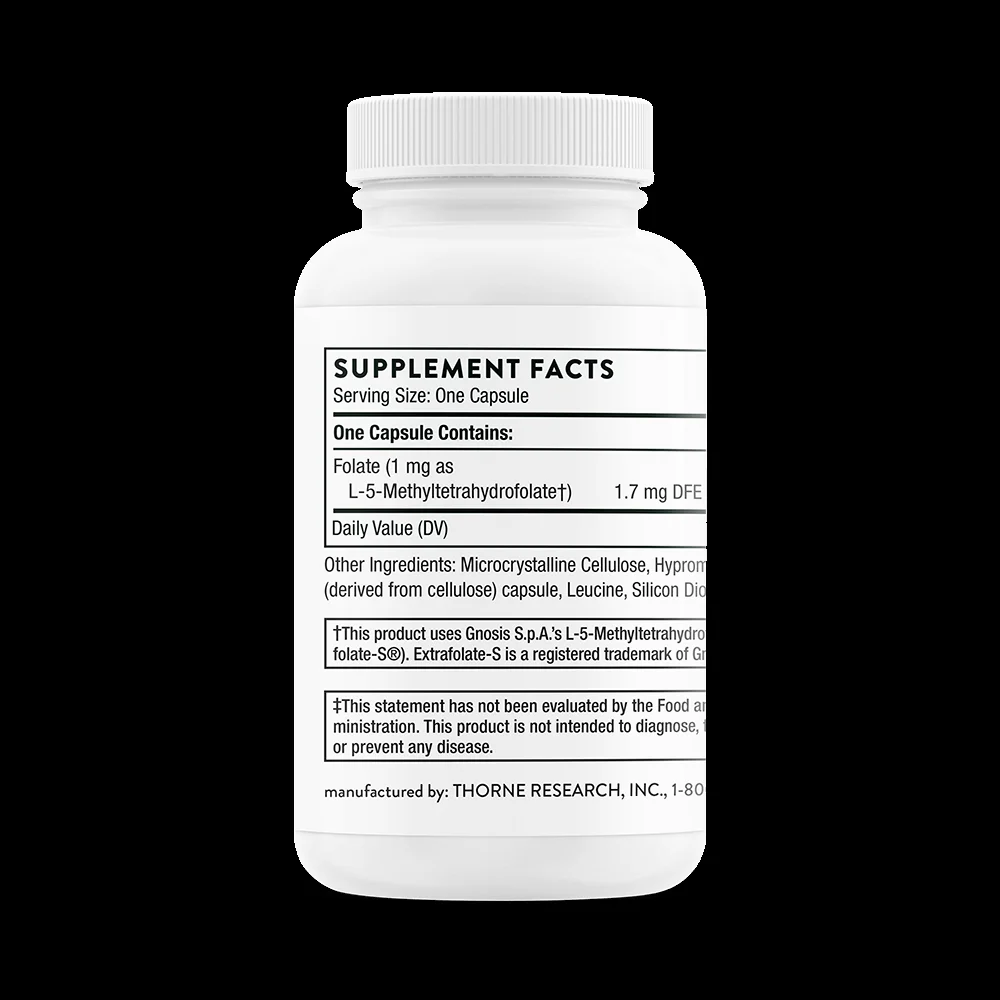


Products using a low-absorption Vitamin B9 (Folate) form
These supplements list Vitamin B9 (Folate) but use one of the low-bioavailability forms above. Listed for transparency — they're not necessarily bad products, but the Vitamin B9 (Folate) portion will under-deliver compared to better-formulated alternatives.
Deep dive
For mechanism of action, dosing protocols, evidence grade, and interaction warnings on Vitamin B9 (Folate), see the full encyclopedia entry:
Folate encyclopedia entry →Guides covering Vitamin B9 (Folate)
Long-form articles in our guide library that go deeper on Vitamin B9 (Folate) — comparisons, protocols, and reviews.
Frequently asked questions
What is the daily target for Vitamin B9 (Folate)?
What foods are highest in Vitamin B9 (Folate)?
What is the best form of Vitamin B9 (Folate) to supplement?
What are the signs of Vitamin B9 (Folate) deficiency?
Who is most at risk for low Vitamin B9 (Folate)?
Related water-soluble vitamins
Track your full intake
Formulate's free web app aggregates Vitamin B9 (Folate) (and ~40 other nutrients) across every supplement in your stack — flagging underdoses, overlaps, and upper-limit overshoots in one view.
Track your intake free →Are you getting enough Vitamin B9 (Folate)?
See your coverage across every nutrient at once, counting both what you eat and what you supplement.
Check my coverage2 questions · free · no account needed to start
Also on iPhone — get the free app
Evidence-based supplement guides, no spam
We send a short digest when new guides drop — nothing else. No affiliate pushes, no sponsored content, unsubscribe anytime.
Medical disclaimer. This page is educational and does not replace advice from a qualified healthcare provider. Targets and upper limits are general adult reference values; individual needs vary by age, sex, pregnancy status, and clinical context.