Best Collagen for Joints: Type II vs Type I for Cartilage Support
Collagen supplements are marketed for joint health but type matters. Type II undenatured collagen has the strongest joint-specific evidence — here's why.
- Undenatured Type II collagen (UC-II) at 40mg/day has the strongest joint-specific evidence, outperforming glucosamine + chondroitin in head-to-head trials.
- UC-II works through immune modulation (oral tolerance), not as a building block — that's why the dose is milligrams, not grams.
- Hydrolyzed Type I collagen (10g+/day) provides amino acid substrate but has weaker, more mixed evidence for joint pain specifically.
- Expect at least 90 days of consistent use before judging results with either type.
- Pair any collagen protocol with vitamin C — it’s a required cofactor for your body’s own collagen synthesis.
- If you have an autoimmune joint condition, talk to your doctor before starting UC-II — its immune-modulating mechanism warrants caution.
The best collagen for joints is undenatured Type II collagen (UC-II) at 40 mg per day, based on head-to-head clinical trials showing it outperforms both placebo and glucosamine–chondroitin for knee osteoarthritis symptoms. But the collagen market is flooded with hydrolyzed Type I products marketed for joints — and those work through an entirely different mechanism with weaker joint-specific evidence.
This guide breaks down the two collagen types, the evidence behind each, and what to actually look for on a supplement label if joint support is your primary goal.
Type I vs Type II Collagen: The Key Distinction
Your body contains at least 28 types of collagen. Two dominate the supplement market. Type I collagen is the most abundant protein in your body — it’s the structural scaffolding of skin, bones, tendons, and ligaments. Type II collagen is the primary collagen in articular cartilage, the smooth tissue that cushions your joints.
This distinction matters because the supplement forms of each work through completely different mechanisms. Hydrolyzed Type I collagen is broken down into small peptides and amino acids. You take it at gram-level doses (typically 10–15 g/day) to supply raw materials for collagen production throughout the body. Type II collagen, especially in its undenatured form (UC-II), is taken at tiny doses (40 mg/day) and works by training your immune system to stop attacking your own cartilage.
Think of it this way: hydrolyzed collagen is building material. UC-II is a signal. They’re not interchangeable, and picking the wrong type for your goal is the most common mistake in the collagen aisle. For a broader overview of all collagen types and their uses, see our full collagen guide.
How UC-II Actually Works: The Oral Tolerance Mechanism
UC-II’s mechanism sounds counterintuitive: you swallow a tiny amount of the same type of collagen found in your joint cartilage, and your immune system dials down its attack on that tissue. This is called oral tolerance, and it’s a well-established immunological phenomenon.
Here’s the simplified pathway: undenatured Type II collagen passes through your gut, where it interacts with Peyer’s patches — clusters of immune cells in your intestinal wall. These cells recognize the collagen’s intact epitopes (specific molecular shapes) and trigger regulatory T-cells that suppress the inflammatory immune response targeting your cartilage.
This is why the dose is 40 mg, not 40 g. You’re not rebuilding cartilage with raw material. You’re presenting a molecular “ID card” to your immune system that says “stop treating this protein as a threat.” More is not better — higher doses can actually provoke an immune response rather than suppress one.
The Clinical Evidence: Crowley 2009 and Lugo 2016
Two trials anchor the UC-II evidence base for osteoarthritis, and both used the patented UC-II ingredient (sourced from chicken sternum cartilage).
Crowley et al. 2009
This 90-day randomized, double-blind trial compared 40 mg/day UC-II against a combination of 1,500 mg glucosamine + 1,200 mg chondroitin in 52 subjects with knee osteoarthritis. The UC-II group showed significantly greater improvement in the WOMAC pain, stiffness, and physical function scores compared to the glucosamine–chondroitin group. Moderate evidence
Lugo et al. 2016
A larger 180-day trial with 191 subjects compared 40 mg/day UC-II against placebo and against 1,500 mg glucosamine + 1,200 mg chondroitin. UC-II significantly outperformed both placebo and glucosamine–chondroitin on WOMAC total score and on the Lequesne functional index at the 180-day endpoint. Improvements in the UC-II group continued to accrue between day 90 and day 180, suggesting a longer trial duration favors UC-II further. Moderate evidence
Both studies have limitations: moderate sample sizes, industry funding (InterHealth Nutraceuticals, now Lonza), and reliance on self-reported symptom questionnaires rather than structural imaging. The evidence is meaningful but not yet “strong” by pharmaceutical standards — we’d need larger independent replications for that.
Hydrolyzed Collagen for Joints: A Different Story
Hydrolyzed collagen (usually Type I, sometimes labeled “collagen peptides”) is the most popular collagen supplement on the market. You’ll find it in powders, capsules, drinks, and bars, typically dosed at 10–15 g per day. It works by supplying glycine, proline, and hydroxyproline — the key amino acids your body needs to build its own collagen.
For skin elasticity and hydration, hydrolyzed collagen has reasonably good evidence (several systematic reviews support 2.5–15 g/day for dermal outcomes). Moderate evidence For joint pain specifically, the evidence is more mixed.
Clark et al. (2008) found that 10 g/day of collagen hydrolysate reduced knee pain in athletes during activity. Emerging evidence McAlindon et al. (2011) observed increases in cartilage proteoglycan content on MRI after 24 weeks of 10 g/day collagen hydrolysate, but the study was small (30 subjects) and the clinical significance was unclear. Emerging evidence Other trials show modest or null results for joint-specific pain outcomes.
UC-II vs Hydrolyzed Collagen: Head-to-Head Comparison
UC-II (Undenatured Type II)
- Collagen type: Type II (native/intact)
- Typical dose: 40 mg/day
- Primary mechanism: Oral tolerance (immune modulation)
- Joint pain evidence: Moderate (2 RCTs, outperformed G+C)
- Skin/hair evidence: Minimal
- Time to effect: 90–180 days
- Key branded ingredients: UC-II (Lonza)
- Common source: Chicken sternum cartilage
- Cost (monthly): $15–30
Hydrolyzed Type I Collagen
- Collagen type: Type I (denatured peptides)
- Typical dose: 10–15 g/day
- Primary mechanism: Amino acid substrate supply
- Joint pain evidence: Emerging (mixed results, small trials)
- Skin/hair evidence: Moderate (multiple systematic reviews)
- Time to effect: 60–90+ days
- Key branded ingredients: Peptan, Verisol, Naticol
- Common source: Bovine hide, marine fish skin
- Cost (monthly): $20–45
What to Look For: Brand Standards and Label Red Flags
Not all UC-II products are equivalent. The clinical trials used a specific patented extract (originally InterHealth UC-II, now manufactured by Lonza). When choosing a UC-II supplement, look for:
- The UC-II® logo or Lonza branding on the label or product page. Generic “Type II collagen” may be hydrolyzed (denatured), which defeats the entire mechanism.
- 40 mg of UC-II per serving, which provides approximately 10 mg of active undenatured Type II collagen. Some labels list 10 mg of “active collagen” — same thing, different labeling convention.
- Minimal filler ingredients. UC-II is a tiny capsule. If the product throws in large amounts of hydrolyzed collagen, glucosamine, or proprietary blends, the UC-II may be underdosed.
- Third-party testing (NSF, USP, or Informed Sport) for purity verification.
For hydrolyzed Type I collagen, branded ingredients like Peptan or Verisol have more published clinical data behind them than generic collagen peptides. Marine-sourced (fish) collagen is an option for pescetarians, though the evidence base uses bovine sources more frequently.
Dosing: Why 40 mg Is the Magic Number
The 40 mg UC-II dose was established in the Crowley and Lugo trials and is the dose recommended by the ingredient manufacturer. It provides roughly 10 mg of bioactive undenatured Type II collagen — enough to trigger the oral tolerance cascade without overwhelming the immune system.
Timing also matters slightly: the Lugo trial administered UC-II on an empty stomach at bedtime. Taking it away from meals may improve absorption of the intact collagen protein. For hydrolyzed collagen, timing is less critical — it dissolves in coffee, smoothies, or water and can be taken any time.
Patience is non-negotiable. The Crowley trial ran 90 days before significant separation from glucosamine–chondroitin appeared. The Lugo trial showed continued improvement at 180 days. If you haven’t hit the 90-day mark, you haven’t given UC-II a fair trial.
Combining Collagen With Vitamin C
Vitamin C is a required cofactor for prolyl hydroxylase and lysyl hydroxylase — the enzymes that stabilize collagen’s triple-helix structure during synthesis. Without adequate vitamin C, your body cannot properly form new collagen regardless of how much substrate you supply.
This is primarily relevant for hydrolyzed collagen supplementation, where the goal is to provide building blocks. Shaw et al. (2017) found that 15 g of gelatin + 50 mg vitamin C taken one hour before exercise increased markers of collagen synthesis in ligament tissue. Emerging evidence For UC-II, which works via immune modulation rather than substrate supply, vitamin C co-supplementation is less mechanistically relevant — but there’s no reason to avoid it.
Frequently Asked Questions
Can I take UC-II and hydrolyzed collagen together?
Yes, they work through different mechanisms and don’t interfere with each other. Some people take UC-II (40 mg) for joint-specific immune modulation and hydrolyzed Type I collagen (10–15 g) for skin, hair, and general connective tissue support. Just don’t take them at the same time — UC-II is best on an empty stomach, while hydrolyzed collagen can go with meals.
How long before I notice joint improvements?
Plan for at least 90 days of consistent daily use. The Lugo 2016 trial showed improvements continued to build between day 90 and day 180. If you’ve been taking a collagen product for two weeks and feel nothing, that’s expected. Immune modulation and cartilage turnover are slow processes.
Does collagen work for rheumatoid arthritis?
Early research on oral tolerance with Type II collagen in rheumatoid arthritis showed some promise (Trentham et al. 1993), but results across subsequent trials were inconsistent. RA is a complex autoimmune disease, and collagen supplements should not replace disease-modifying antirheumatic drugs (DMARDs). Talk to your rheumatologist before adding any supplement.
Is marine collagen good for joints?
Marine collagen is typically Type I, hydrolyzed from fish skin. It provides the same amino acid profile as bovine hydrolyzed collagen and is a good option for pescetarians. However, there is no marine-sourced UC-II product on the market — the patented UC-II ingredient comes from chicken sternum cartilage. If joint pain is your primary concern, source matters less than collagen type.
Will collagen help my knees if I’m a runner?
Possibly. Clark et al. (2008) showed 10 g/day of collagen hydrolysate reduced activity-related knee pain in athletes. UC-II hasn’t been specifically studied in runners, but its mechanism (reducing immune-mediated cartilage degradation) could theoretically benefit anyone with repetitive joint stress. Neither replaces proper training load management, mobility work, or addressing biomechanical issues.
What about bone broth as a collagen source for joints?
Bone broth contains collagen, but the collagen is largely denatured during cooking, and the amount per serving is highly variable and generally much lower than supplemental doses. You also can’t get the intact undenatured Type II collagen needed for oral tolerance from boiled bones. Bone broth is fine as food; it’s not a reliable substitute for a standardized UC-II supplement.
Is UC-II safe to take with NSAIDs or ibuprofen?
No controlled trial has specifically tested UC-II alongside NSAIDs, so “safe” can’t be stated with certainty. Mechanistically, NSAIDs block COX enzymes while UC-II modulates regulatory T-cells — distinct pathways with no obvious conflict. The Lugo 2016 trial washed out NSAIDs before assessments, so concurrent-use data simply doesn’t exist. No adverse interaction signals have appeared in published safety data, but that’s not the same as proven safe. If you’re taking NSAIDs regularly for osteoarthritis, mention UC-II to your prescriber.
Does collagen supplementation actually rebuild cartilage, or does it only reduce symptoms?
Based on current evidence, collagen supplementation reduces symptoms — it has not been shown to rebuild or structurally preserve cartilage. Both UC-II trials (Crowley 2009, Lugo 2016) measured pain and function scores only; neither used MRI, X-ray, or arthroscopy to assess cartilage thickness or joint space. Until imaging trials are conducted, any claim that UC-II “restores” cartilage is speculation. If your orthopedist is tracking joint space narrowing on imaging, UC-II supplementation does not change that clinical picture based on current evidence.
What collagen supplement should I take if I’m vegetarian or vegan?
There is no vegan collagen supplement — collagen is an animal protein and doesn’t exist in plants. Products labeled “vegan collagen” contain vitamin C, silica, or amino acids, not collagen. What you can do is support your body’s own collagen production: ensure adequate vitamin C (100–250 mg/day), consider glycine supplementation (3–5 g/day), and prioritize progressive resistance training, which is the strongest known driver of collagen synthesis. These strategies support endogenous production but cannot replicate UC-II’s oral tolerance mechanism. For diagnosed OA, discuss pharmaceutical options with your provider.
What’s the best collagen supplement for joint pain in people over 65?
The guide doesn’t address age-specific considerations directly. UC-II at 40 mg/day remains the best-evidenced option for osteoarthritis symptoms regardless of age — the Crowley and Lugo trials enrolled adults with knee OA, though mean ages and comorbidity profiles aren’t highlighted. Polypharmacy is common over 65, and UC-II’s immune-modulating mechanism warrants extra caution if you’re on immunosuppressants, DMARDs, or biologics. Before starting, review your full medication list with your prescriber — this population has the most to gain from UC-II but also the most variables to account for.
Can I stop taking UC-II once my joint pain improves, or do I need to take it indefinitely?
The guide doesn’t cover discontinuation, and no published trial has tracked what happens after stopping UC-II. Based on the mechanism — ongoing immune modulation of an active inflammatory process — it’s reasonable to expect that symptoms may return if you stop, since the underlying cartilage loss likely continues. The Lugo trial showed improvements still accruing at 180 days, suggesting this is maintenance rather than a completed repair. Whether benefits persist, taper, or reverse after discontinuation is genuinely unknown. This is a gap worth raising with your healthcare provider.
Is the UC-II in my current joint supplement real or a knockoff?
Look for the UC-II logo or explicit Lonza branding on the label or product page — the clinical trials used this specific patented ingredient. If a product claims “undenatured Type II collagen” without that branding, it may be a generic that’s actually hydrolyzed (denatured), which defeats the mechanism entirely. The label should list 40 mg UC-II per serving, providing approximately 10 mg active undenatured collagen. Third-party testing (NSF, USP, or Informed Sport) adds a layer of purity verification. Ingredient misrepresentation is a documented problem in the supplement industry; branding and third-party certification are your best available checks.
Does collagen help with hip pain or shoulder pain, or only knees?
Both UC-II trials enrolled knee osteoarthritis patients exclusively, so there’s no direct RCT evidence for hip, shoulder, or ankle joints. However, UC-II’s oral tolerance mechanism targets Type II collagen epitopes systemically — regulatory T-cells don’t discriminate by joint location, and Type II collagen is the dominant cartilage collagen throughout the body. Mechanistically plausible, but not clinically demonstrated. If you have hip or shoulder OA, UC-II at 40 mg/day is still the most reasonable collagen option based on shared biology — just recognize you’re extrapolating from knee data. Track symptoms over 90–180 days.
What UC-II Won't Do: Structural vs. Symptomatic Evidence
Every clinical trial supporting UC-II for osteoarthritis measures symptoms — pain scores, stiffness ratings, and functional questionnaires like the WOMAC and Lequesne index. None of them include imaging evidence that UC-II preserves or regenerates cartilage. This is the single most important distinction to understand before you buy: feeling better and structurally healing are not the same thing.
No Imaging, No Disease Modification Claim
In both the Crowley (2009) and Lugo (2016) trials, outcomes were entirely self-reported. Neither study used MRI, X-ray, or arthroscopy to assess cartilage thickness, joint space width, or proteoglycan content. Without structural endpoints, UC-II cannot be called a disease-modifying treatment. Moderate evidence It may slow immune-mediated cartilage breakdown in theory — the oral tolerance mechanism is plausible — but no published human data confirms this.
Compare this to pharmaceutical OA research, where joint space narrowing on X-ray is the accepted structural endpoint. UC-II hasn't been held to that standard. Until imaging trials are conducted, any claim that UC-II "rebuilds" or "restores" cartilage is speculation, not evidence.
What This Means for You Practically
Symptom relief is genuinely valuable — less pain and better function improve quality of life. But if the underlying cartilage loss continues, your symptoms may return if you stop supplementing. This likely explains why UC-II evidence shows continued improvement through 180 days: it's managing an ongoing immune process, not completing a repair.
This isn't a reason to dismiss UC-II. Symptom-based evidence is how most joint supplements are evaluated, and UC-II performs well in that category. Just understand that "my knee feels better" and "my cartilage is intact" are two separate claims — and only the first one has data behind it.
If You're Vegan or Vegetarian: What to Do Instead
There is no vegan collagen supplement. Collagen is, by definition, an animal protein — it doesn't exist in plants, fungi, or algae. Every product labeled "vegan collagen" or "plant-based collagen" is marketing fiction. These are typically blends of vitamin C, silica, and amino acids repackaged at a premium. They do not contain collagen, and no clinical trial has shown they replicate collagen supplementation outcomes.
That said, your body makes its own collagen. The practical question for vegans is whether you can support that endogenous production effectively. Three evidence-based strategies stand out.
Vitamin C: The Non-Negotiable Cofactor
As covered in this guide's vitamin C section, prolyl and lysyl hydroxylases require vitamin C to stabilize collagen's triple helix. Deficiency impairs collagen synthesis directly — that's the mechanism behind scurvy. Most vegans get plenty from fruits and vegetables, but if your diet is erratic, 100–250 mg/day from food or a basic supplement covers it. Strong evidence
Glycine: The Rate-Limiting Amino Acid
Collagen is roughly one-third glycine. De Paz-Lugo et al. (2018) found that glycine supplementation enhanced collagen synthesis in human chondrocytes in vitro. Meléndez-Hevia et al. (2009) argued that human glycine biosynthesis falls short of metabolic demands by roughly 10 g/day. Glycine at 3–5 g/day is inexpensive, vegan-synthesized, and well-tolerated, though direct clinical trial evidence for joint outcomes specifically remains limited. Emerging evidence
Resistance Exercise: The Strongest Stimulus You Have
Mechanical loading is the most potent known driver of collagen synthesis in tendons, ligaments, and cartilage. Kjær et al. (2009) demonstrated that exercise increases peritendinous collagen turnover significantly. For joint health, progressive resistance training — particularly exercises that load the knees and hips through full range — matters more than any supplement, animal-derived or otherwise. Strong evidence
Does Collagen Help Hip, Shoulder, or Ankle Joints — Or Just Knees?
Whether collagen helps hip, shoulder, or ankle joints is a fair question — and the honest answer is: we don't have direct RCT evidence for those locations. Both the Crowley (2009) and Lugo (2016) UC-II trials enrolled subjects with knee osteoarthritis exclusively. The WOMAC questionnaire used in those studies is validated for knee and hip OA, but no trial has actually tested UC-II in hip OA patients. For shoulders, ankles, and other synovial joints, the clinical data simply doesn't exist yet.
The Mechanism Is Plausible Beyond the Knee
That said, the oral tolerance mechanism behind UC-II isn't knee-specific. Regulatory T-cells generated in Peyer's patches suppress systemic immune responses against Type II collagen epitopes — and Type II collagen is the dominant collagen in all articular cartilage, whether that's your knee, hip, shoulder, or ankle. Mechanistically, there's no reason the effect would be confined to one joint. Emerging evidence But "mechanistically plausible" and "clinically demonstrated" are different standards.
Hydrolyzed Collagen Isn't Better Studied for Non-Knee Joints
If you're hoping hydrolyzed Type I collagen fills the gap, it doesn't. The Clark (2008) athlete trial and McAlindon (2011) MRI study both focused on knees. Evidence for collagen supplements helping hip, shoulder, or ankle joints specifically is essentially nonexistent across both collagen types.
UC-II and Medications: What the Drug Interaction Picture Actually Looks Like
UC-II and drug interactions remain largely unstudied — and that's the honest starting point. No published trials have specifically investigated pharmacokinetic or pharmacodynamic interactions between undenatured Type II collagen and common joint-pain medications. What follows is a drug-class-by-drug-class breakdown of what we actually know versus what we're guessing at.
NSAIDs (Ibuprofen, Naproxen, Diclofenac)
This is the most common overlap — most people reaching for a joint supplement are already taking NSAIDs. The Lugo 2016 trial allowed rescue acetaminophen but washed out NSAIDs before assessment visits, so we have no controlled data on concurrent use. Mechanistically, there's no obvious conflict: NSAIDs block COX enzymes to reduce inflammation, while UC-II modulates T-regulatory cells via oral tolerance. These are distinct pathways. No adverse interaction signals have appeared in published safety data, but "no signal" is not the same as "proven safe together." Emerging evidence
Methotrexate and Conventional DMARDs
If you're on methotrexate, sulfasalazine, or hydroxychloroquine for rheumatoid arthritis or another autoimmune condition, the picture gets murkier. These drugs broadly suppress immune function. UC-II relies on activating a specific arm of the immune system — regulatory T-cells in Peyer's patches. Whether immunosuppressive therapy blunts, enhances, or has no effect on oral tolerance induction is simply unknown. Trentham et al. (1993) used oral Type II collagen in RA patients, but most subjects were not on concurrent methotrexate at modern doses. Consult your rheumatologist before combining these.
Biologics (TNF Inhibitors, IL-17 Blockers)
Adalimumab, etanercept, secukinumab, and similar biologics target specific cytokines involved in joint inflammation. UC-II's oral tolerance mechanism intersects with immune signaling in ways that have never been tested alongside these agents. The theoretical concern isn't toxicity — it's unpredictability. Biologics already alter the immune landscape UC-II is trying to modulate. There is zero published interaction data here. Emerging evidence If you're on a biologic, this is a non-negotiable conversation with your prescriber.
Corticosteroids (Prednisone, Methylprednisolone)
Oral corticosteroids suppress immune activity broadly, including T-cell function. Since UC-II depends on T-regulatory cell activation, chronic steroid use could theoretically reduce its effectiveness — though this hasn't been formally tested. No safety concerns have been flagged, but efficacy in steroid-treated populations remains an open question.
Who Should Talk to a Doctor First
Collagen supplements are generally well-tolerated, but certain populations should exercise caution, especially with UC-II’s immune-modulating mechanism.
None of the above is medical advice. Bring your full supplement list to your next provider visit.
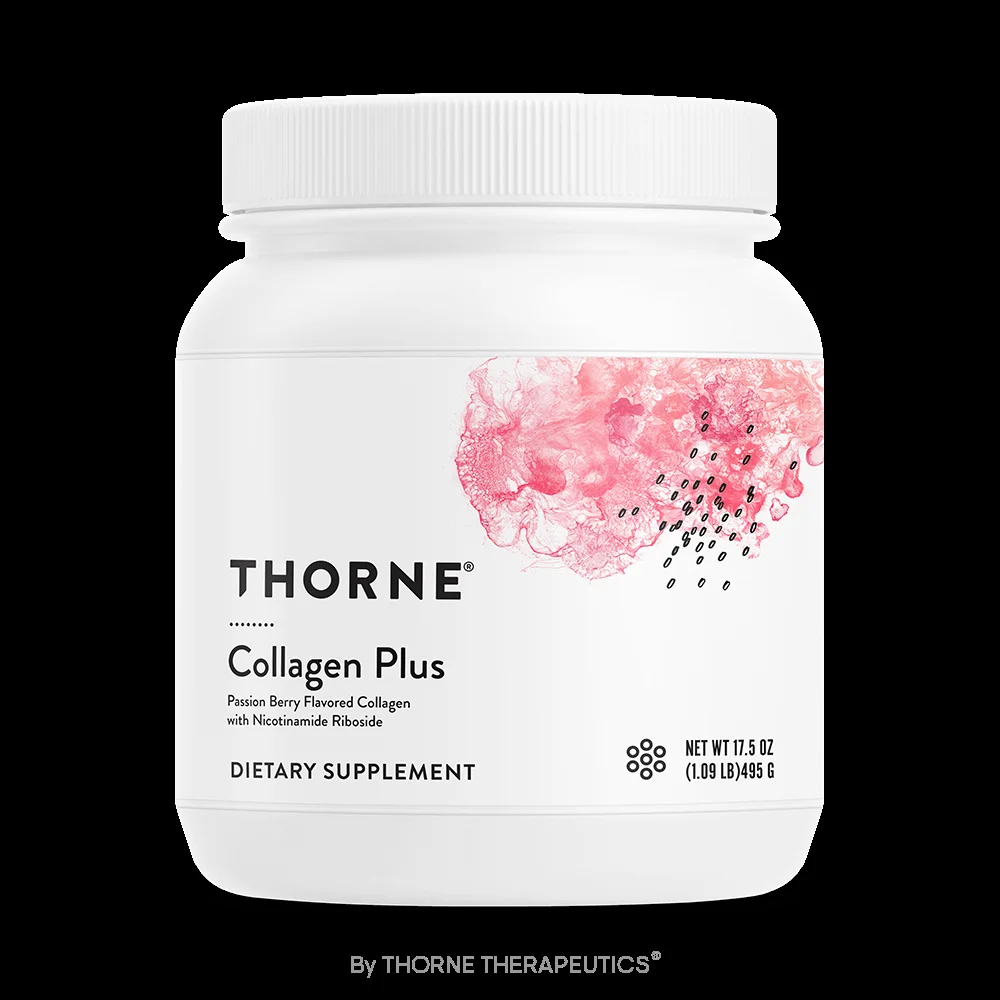
- 1
 Collagen Powder for WomenNutricost · $37.9593
 - 2
 Collagen Protein PowderTransparent Labs · $49.9993
 - 3
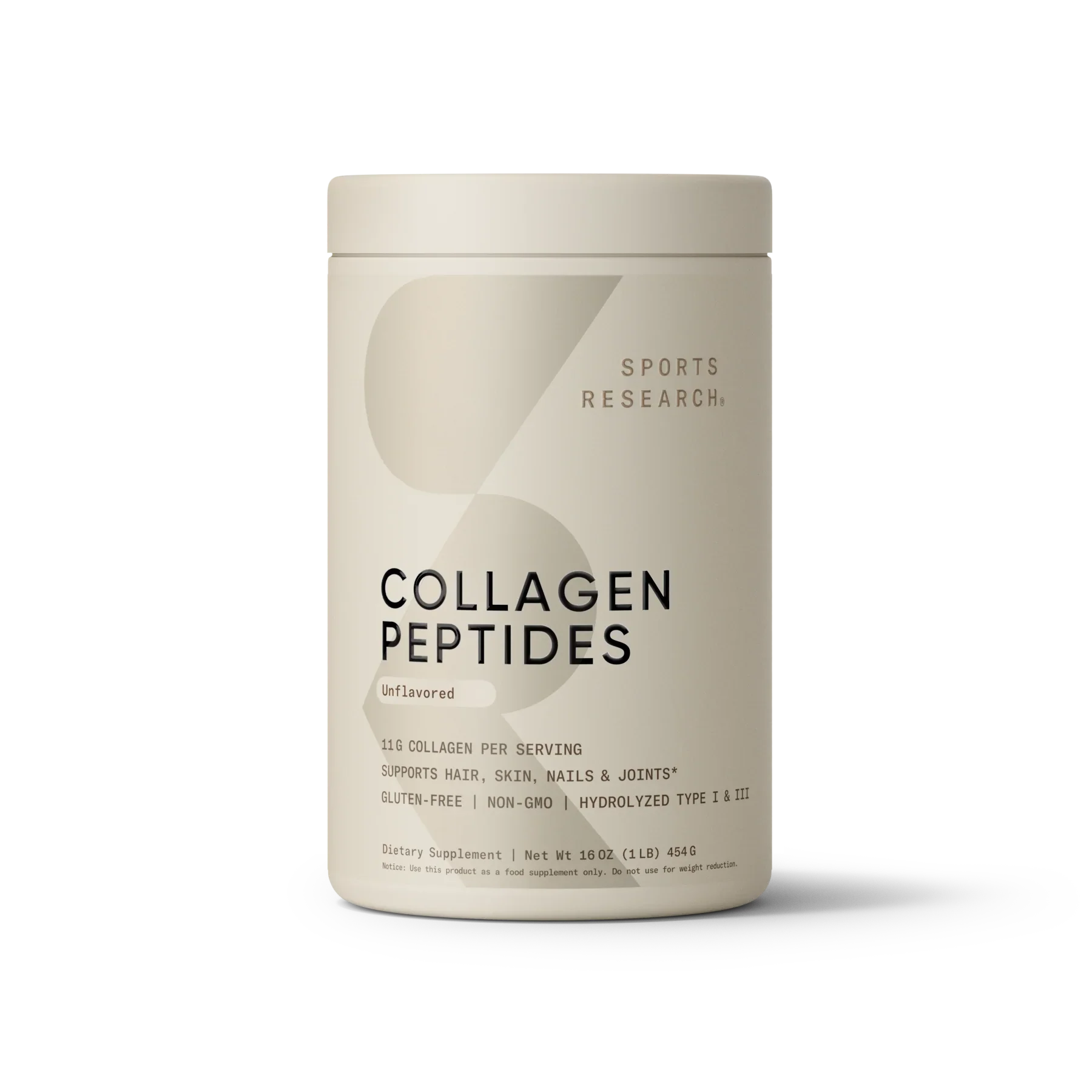 Collagen PeptidesSports Research · $32.9580
 - 4
 Collagen Peptides PowderDouble Wood · $24.9580
 - 5
 Collagen PeptidesMomentous · $54.9977
Recomputed from the catalog every time this page is built, so it moves as products are added and rescored. Flavours and pack sizes of one product count once.
The Bottom Line
If your primary goal is reducing joint pain — especially knee osteoarthritis symptoms — undenatured Type II collagen (UC-II) at 40 mg per day has the most compelling evidence. Two randomized controlled trials showed it outperformed the longstanding joint supplement standard of glucosamine plus chondroitin, and it did so through a fascinating immune-modulation mechanism that requires only milligram-level dosing.
Hydrolyzed Type I collagen is not a bad supplement. It’s well-supported for skin health, has a reasonable safety profile, and may offer modest joint benefits at 10–15 g/day. But it’s a different tool for a different job. The collagen market’s biggest problem is conflation: brands selling Type I peptide powders with joint health claims that are really supported by Type II undenatured collagen research.
Here’s your action plan: for joint-specific support, choose a product containing the patented UC-II ingredient (40 mg/day, taken on an empty stomach, ideally at bedtime). Commit to at least 90 days before evaluating. If you also want skin, hair, and general connective tissue support, you can add 10–15 g of hydrolyzed Type I collagen alongside vitamin C at a separate time of day. And regardless of what you take, don’t expect a supplement to override poor movement habits, excessive body weight on aging joints, or the need for appropriate medical care if your joint pain is severe or worsening.
The evidence for UC-II is promising — genuinely more interesting than most joint supplement data — but it’s still based on moderate-sized, industry-funded trials. We’re watching for larger independent replications. In the meantime, the risk-to-benefit ratio at 40 mg/day is favorable, the cost is modest, and the mechanism is scientifically plausible. That puts UC-II in a better position than most of what you’ll find in the joint health aisle.
Browse collagen supplements for joints in the Formulate catalog →
Supplements that support this
Turn this into your stack
Answer two questions and we'll build an evidence-graded starter stack — every ingredient with its dose, timing, and interaction checks.
Free · no account needed to start
Interactions to know
How these pair with other supplements and medications
Check your full stack in the free interaction checker.
Read next
Collagen Supplements 2026 — Backed by Clinical Evidence
Learn which collagen supplements actually work and why. Bioactive peptides survive digestion and signal tissue repair — here’s what 2026 clinical research supports.
Best Supplement Tracker Apps 2026, Compared Honestly
We compare Formulate, SuppCo, Examine, ConsumerLab, Labdoor, Cronometer & biomarker platforms by the job each one does best — scoring, logging, lab-testing, or blood panels. No sponsorships.
Best Supplements for Joint Pain: Evidence-Based Stack for Osteoarthritis
Only four supplement categories have strong RCT evidence for joint pain: Curcumin, Boswellia, Fish Oil, and Glucosamine+Chondroitin. The starter stack, doses, and what to skip.
Free, university-grade courses on longevity science — from cellular biology to building an evidence-based stack.
Evidence-based supplement guides, no spam
We send a short digest when new guides drop — nothing else. No affiliate pushes, no sponsored content, unsubscribe anytime.