Collagen Supplements 2026 — Backed by Clinical Evidence
Learn which collagen supplements actually work and why. Bioactive peptides survive digestion and signal tissue repair — here’s what 2026 clinical research supports.
- Collagen peptides survive digestion as bioactive dipeptides that signal fibroblasts to produce more collagen
- Skin elasticity improves measurably in 8 weeks; joint pain in 12–24 weeks (strong RCT evidence)
- Vitamin C is essential for collagen synthesis — ensure adequate intake alongside supplementation
- 5–10g/day hydrolyzed peptides for skin/joints, or 40mg UC-II for osteoarthritis specifically
Collagen supplements have evidence supporting modest improvements in skin elasticity and joint pain, though the research is stronger than skeptics suggest and weaker than marketing implies. The $7 billion industry rests on a counterintuitive digestive mechanism — collagen peptides survive gut breakdown and signal the body to produce more of its own collagen.
The “Your Body Just Digests It” Argument
Let’s address the biggest criticism first, because it’s the reason most skeptics dismiss collagen outright. The argument goes like this: collagen is a protein. Your stomach breaks proteins into individual amino acids. Those amino acids go wherever your body needs them, not specifically to your skin or joints. Therefore, collagen supplements are no different from eating chicken breast.
This was a perfectly reasonable argument — until researchers actually measured what happens. It turns out that hydrolyzed collagen peptides are not fully broken down into individual amino acids. A significant portion survives digestion as dipeptides and tripeptides — small chains of 2–3 amino acids. The most important of these is Pro-Hyp (prolyl-hydroxyproline), which has been detected in human blood after oral collagen ingestion at physiologically relevant concentrations.
A 2005 study by Iwai et al. in the Journal of Agricultural and Food Chemistry confirmed that Pro-Hyp and other collagen-specific peptides appear in the bloodstream within 1–2 hours of ingestion and persist for several hours. These peptides don’t just float around aimlessly — research suggests they act as signaling molecules, stimulating fibroblasts (the cells that produce collagen) to ramp up production. Strong evidence
So the critics are partially right: your body does digest collagen. But they’re wrong that it’s reduced to generic amino acids. The bioactive peptides that survive digestion appear to be the actual mechanism of action.
Types of Collagen: What They Do
Your body contains at least 28 types of collagen. Supplements focus on three:
- Type I: The most abundant collagen in your body — found in skin, bones, tendons, and connective tissue. This is the type most relevant to skin elasticity and anti-aging claims. Makes up about 90% of your body’s total collagen.
- Type II: Found primarily in cartilage. This is the type most relevant to joint health. Undenatured type II collagen (UC-II®) works through a different mechanism than hydrolyzed peptides — it modulates the immune response to reduce cartilage destruction rather than providing building blocks.
- Type III: Found alongside type I in skin, blood vessels, and organs. Often co-occurs with type I in bovine collagen supplements. Important for skin structure and cardiovascular tissue.
Here’s the nuance most marketing ignores: once collagen is hydrolyzed into peptides, the “type” distinction becomes less meaningful. Hydrolyzed type I and type III peptides are broken down into similar amino acid chains. The exception is undenatured type II collagen, which is taken intact at much lower doses (40mg vs. grams) and works through immune modulation, not structural rebuilding.
What the Evidence Actually Supports
Skin Elasticity and Hydration
This is collagen’s strongest evidence base. A 2014 double-blind RCT by Proksch et al. in Skin Pharmacology and Physiology gave 69 women (aged 35–55) either 2.5g or 5g of collagen peptides daily or placebo for 8 weeks. Both collagen groups showed statistically significant improvements in skin elasticity compared to placebo, with the effect persisting 4 weeks after supplementation stopped. A follow-up study by the same group found reduced wrinkle depth after 8 weeks. Strong evidence
A 2019 systematic review by de Miranda et al. in the International Journal of Dermatology analyzed 11 studies with over 800 participants and concluded that collagen supplementation improves skin hydration, elasticity, and wrinkle depth. The effects are real, measurable, and replicated — though modest. Nobody is reversing 20 years of aging with a powder. Strong evidence
Joint Pain
A 2008 study by Clark et al. at Penn State, published in Current Medical Research and Opinion, gave 147 athletes (both men and women) 10g of collagen hydrolysate or placebo daily for 24 weeks. The collagen group reported significantly less joint pain during activity— walking, standing, carrying objects, and at rest. This was a well-designed trial in a population that puts serious stress on their joints. Strong evidence
For osteoarthritis specifically, a 2016 RCT by Kumar et al. in the International Journal of Medical Sciences found that 40mg of undenatured type II collagen (UC-II) outperformed a combination of 1,500mg glucosamine plus 1,200mg chondroitin for knee joint comfort over 180 days. That’s notable because glucosamine and chondroitin have been the standard joint supplement recommendation for decades. Strong evidence
Bone Density
The evidence here is earlier-stage but promising. A 2018 RCT by König et al. in Nutrients found that 5g of collagen peptides daily for 12 months significantly increased bone mineral density in the spine and femoral neck of postmenopausal women compared to placebo. Bone formation markers went up while bone degradation markers went down. One study isn’t conclusive, but the mechanism is plausible and the results are encouraging. Emerging evidence
Marine vs. Bovine vs. Chicken: Choosing a Source
The source of your collagen determines the type composition and can matter depending on your goal:
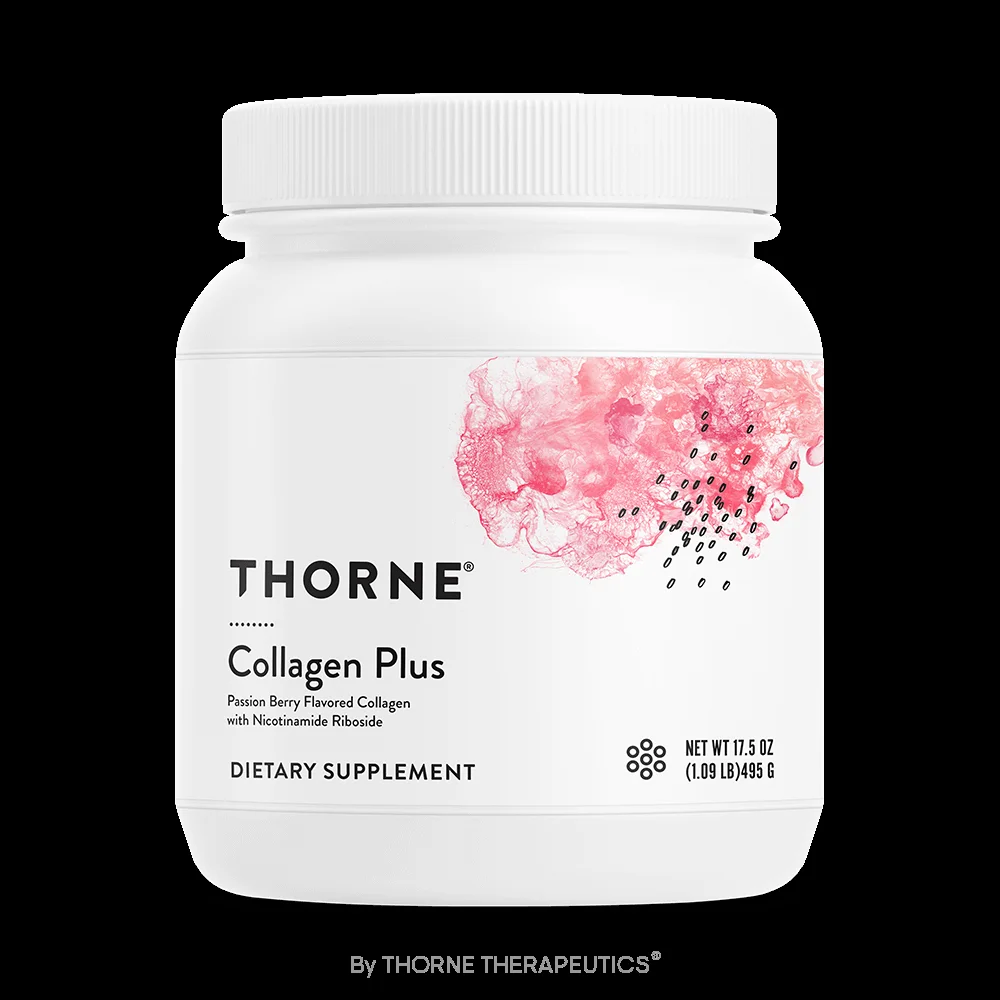
- Bovine (cow): Rich in types I and III. The most common and affordable source. Best general-purpose choice for skin, bones, and connective tissue. Most of the skin elasticity research has used bovine-derived peptides.
- Marine (fish): Primarily type I. Often marketed as “better absorbed” due to smaller peptide size, and there’s some evidence supporting higher bioavailability. A 2015 study in the Journal of the Science of Food and Agriculture found marine collagen peptides had 1.5x higher intestinal absorption than bovine peptides in a Caco-2 cell model. Best for: skin-focused goals, pescatarian diets. Moderate evidence
- Chicken: Rich in type II collagen. Most relevant for joint and cartilage support. UC-II specifically comes from chicken sternum cartilage. Best for: joint-specific goals, particularly osteoarthritis.
Dosing: How Much and How
The effective dose depends on the form and your goal:
- Hydrolyzed collagen peptides (types I/III): 2.5–15g per day. Skin studies typically use 2.5–10g. Joint studies tend toward 10g. If you’re targeting both, 10g daily is a reasonable dose.
- Undenatured type II collagen (UC-II): 40mg per day. This is a completely different dosing paradigm because UC-II works through immune modulation, not structural rebuilding. More is not better — 40mg is the studied dose.
Powder format is the most practical for hydrolyzed collagen because the doses are measured in grams. Capsules would require 10–20 per serving to hit effective levels. Most people mix the powder into coffee, smoothies, or water — quality collagen peptides should dissolve easily and have minimal taste.
The Vitamin C Connection
This is genuinely important and often overlooked. Vitamin C is an essential cofactor for collagen synthesis. Your body literally cannot produce collagen without it — vitamin C is required for the hydroxylation of proline and lysine, the step that gives collagen its structural stability. This is why scurvy (severe vitamin C deficiency) causes connective tissue breakdown.
You don’t need megadoses. The RDA of 75–90mg is enough to support normal collagen synthesis, and most people eating any fruits or vegetables get this. But if your diet is genuinely low in vitamin C, supplementing collagen without addressing that deficiency is like buying building materials without hiring a contractor. Some collagen products include vitamin C for this reason, which is a smart formulation choice. When evaluating products, check whether vitamin C is included or if you’ll need to source it separately — our label-reading guide can help you parse what’s actually in the formula.
Timing: Does It Matter?
Unlike many supplements where timing is critical, collagen is forgiving. The bioactive peptides accumulate over weeks of consistent use, so what time you take it is far less important than whether you take it daily.
That said, a few practical considerations:
- Taking collagen with vitamin C-rich food may support absorption and synthesis — though this hasn’t been formally tested in supplementation studies.
- Some people prefer taking it on an empty stomach to avoid competing with other dietary proteins for absorption. This is theoretically reasonable but not proven necessary.
- UC-II (type II, 40mg) should be taken on an empty stomach — the immune modulation mechanism requires it to reach the gut-associated lymphoid tissue intact.
For how collagen fits into a broader supplement schedule, see our supplement timing guide.
How Long Before You See Results?
Set realistic expectations:
- Skin hydration: Some studies show measurable improvements in 4 weeks, with more significant changes at 8–12 weeks.
- Wrinkle depth: 8–12 weeks in the Proksch studies.
- Joint pain: 12–24 weeks in most studies. Joint tissue turns over slowly — patience is required.
- Bone density: 12 months in the König study. Bone remodeling is a long game.
If someone tells you their collagen supplement “worked in 3 days,” they’re experiencing placebo. The biology of connective tissue turnover doesn’t move that fast. Give it at least 8 weeks before judging.
Industry Funding and Study Quality: How to Read the Collagen Research
Most positive collagen RCTs are funded by supplement manufacturers — and you should know exactly which ones. Moderate evidence Gelita (maker of Verisol® and Fortigel® peptides) funded the Proksch skin elasticity studies cited above, the König bone density trial, and numerous others. Rousselot, InterHealth/Lonza (maker of UC-II), and Nitta Gelatin have sponsored much of the remaining clinical work. A 2021 analysis by Martínez-Puig et al. reviewed 26 clinical trials on collagen peptides for skin health — the vast majority disclosed industry funding or authorship ties to manufacturers.
So where does independent evidence actually exist? The Penn State joint pain study (Clark et al., 2008) was funded by Gelita, but the research team operated independently and the trial design was rigorous. Some skin hydration findings have been partially replicated by academic groups in South Korea and Brazil without direct manufacturer funding, though sample sizes remain small. The de Miranda et al. (2019) systematic review aggregated these results and still found a positive signal — but acknowledged the funding landscape as a limitation.
Where independent evidence is thinnest: bone density. The König et al. (2018) trial is essentially the only major RCT, and it was Gelita-funded. Until an independent group replicates those bone mineral density findings, treat them as promising but unconfirmed.
This is why we use Strong evidence, Moderate evidence, and Emerging evidence throughout this guide — to signal where evidence is robust versus where you're placing a bet on limited data. For more on evaluating supplement research quality, see our guide to reading supplement studies.
Collagen for Specific Populations: Pregnancy, Older Adults, and Autoimmune Conditions
Collagen for specific populations requires a different risk calculus than it does for generally healthy adults. Most clinical trials recruit women aged 35–55 or active adults with joint complaints. If you're pregnant, postmenopausal and managing bone loss, or living with an autoimmune condition, the evidence base either doesn't include you or raises flags worth discussing with your doctor.
Pregnancy and Breastfeeding
The absence of evidence isn't evidence of harm, but it isn't a green light either. Collagen peptides are bioactive signaling molecules, not inert protein, and their effects on fetal development have not been assessed. Your prenatal vitamin and dietary protein are the evidence-based foundation here.
Postmenopausal Bone Health
The König et al. (2018) bone density study referenced earlier in this guide specifically recruited postmenopausal women — so the data is at least relevant to you. But context matters: those participants were not on bisphosphonates, and the study did not test collagen against or alongside calcium and vitamin D. Emerging evidence
Collagen peptides should be considered complementary to — never a replacement for — your existing calcium and vitamin D regimen. If you're on osteoporosis medication like alendronate, bring your full supplement list to your prescribing physician. Whether collagen is additive or redundant in that context is genuinely unknown.
Autoimmune Conditions and Immunosuppressants
This is where the distinction between hydrolyzed collagen and UC-II becomes clinically important. Standard hydrolyzed peptides (types I/III) work as structural building blocks and signaling molecules. UC-II works through immune modulation — specifically oral tolerance via gut-associated lymphoid tissue, dampening the T-cell–mediated attack on cartilage.
Even standard hydrolyzed collagen deserves a conversation if your autoimmune condition involves connective tissue (scleroderma, lupus). The theoretical concern — stimulating fibroblast activity in someone whose connective tissue biology is already dysregulated — hasn't been studied, which is exactly the problem.
How to Evaluate Collagen Product Quality (Label Reading Checklist)
Knowing how to evaluate collagen product quality separates a worthwhile purchase from an expensive placebo. The supplement aisle is crowded with collagen products making identical claims, but the labels tell very different stories if you know what to look for.
Molecular Weight: The Number That Actually Matters
Look for molecular weight listed in Daltons (Da). Peptides under 5,000 Da indicate adequate hydrolysis — meaning the collagen has been broken down enough for efficient intestinal absorption. Some premium products go further, targeting 2,000–3,000 Da. If the label says "hydrolyzed collagen peptides," the protein has been enzymatically broken into these small chains. If it says "gelatin," you're getting partially hydrolyzed collagen with a much higher molecular weight — it'll gel in cold water and absorb less efficiently. Both are collagen-derived, but they're not interchangeable for supplementation purposes.
Third-Party Testing Certifications
Three certifications carry real weight: NSF International, USP Verified, and Informed Sport (relevant if you're a tested athlete). These verify that what's on the label is actually in the product and that contaminant levels fall within safe thresholds. A brand's own "purity tested" claim without a named third-party lab means very little. Moderate evidence
Calculating Cost Per Gram of Peptides
Marketing loves to obscure this. Here's the formula: divide the product price by the total grams of collagen peptides in the container (not total weight — exclude fillers, flavoring, and added vitamins). A $35 tub with 28 servings of 10g each contains 280g of peptides, giving you roughly $0.13 per gram. Compare across products using this number, not per-serving cost, since serving sizes vary wildly. A "cheaper" product with 5g servings may actually cost more per effective gram than a pricier one dosed at 10g.
For guidance on how collagen fits alongside your other supplements, see our supplement timing guide. If you're weighing marine versus bovine sources specifically, the sourcing section earlier in this guide covers the bioavailability differences worth factoring into your decision.
Collagen and Exercise Timing: The Pre-Workout Window
Collagen and exercise timing turns out to matter more than the general "take it whenever" advice suggests — at least if your goal is tendon and ligament health rather than skin. A 2017 study by Shaw et al. in the American Journal of Clinical Nutrition found that taking 15g of vitamin C–enriched gelatin (a collagen derivative) 60 minutes before a structured exercise bout significantly increased markers of collagen synthesis compared to placebo. Moderate evidence Specifically, blood serum from the collagen group, when applied to engineered ligaments in the lab, boosted collagen production and improved the mechanical properties of the tissue.
The one-hour window isn't arbitrary. It aligns with the peak blood concentration of collagen-derived peptides like Pro-Hyp, which act as signaling molecules for fibroblast activity. The idea is simple: flood your bloodstream with these peptides right when mechanical loading from exercise stimulates connective tissue remodeling. Vitamin C was included at 48mg — well within normal dietary range — because of its essential role in collagen hydroxylation, as discussed in the vitamin C section above.
Important caveats: this is a single, small study (8 men, crossover design), and the collagen synthesis was measured indirectly via a biomarker (PINP) and an ex vivo engineered ligament model — not by imaging actual tendons in the participants. Subsequent work by Baar and colleagues has reinforced the mechanistic plausibility, but large clinical trials confirming faster tendon healing in humans are still lacking. Emerging evidence Evidence suggests this protocol is promising, not proven.
Drug Interactions and Contraindications
Drug interactions with collagen supplements are understudied, but there are specific scenarios where caution is warranted. If you're on any prescription medication, the safest move is to bring your collagen product — label and all — to your next provider visit.
UC-II and Immunosuppressants
UC-II works by modulating immune activity in gut-associated lymphoid tissue — essentially teaching your immune system to tolerate type II collagen rather than attack cartilage. That immune modulation mechanism raises a theoretical concern for anyone taking immunosuppressants like methotrexate, cyclosporine, or biologics (e.g., adalimumab). The interaction hasn't been studied directly, but layering an immune-modulating supplement on top of immunosuppressive therapy introduces unpredictability. Emerging evidence Consult your prescribing physician before combining UC-II with any immunosuppressant or if you have an autoimmune condition.
Protein-Restricted Diets and Kidney Disease
At 10–15g daily, hydrolyzed collagen contributes meaningful protein to your total intake. For most people, that's irrelevant. But if you're on a protein-restricted diet — common in certain stages of chronic kidney disease — those extra grams need to be counted. Your renal dietitian should factor collagen into your daily protein budget, not treat it as a freebie.
Collagen Is Not a Complete Protein
Collagen lacks tryptophan, an essential amino acid, making it nutritionally incomplete. Using collagen as your primary protein source — something occasionally suggested in wellness circles — could lead to amino acid insufficiency over time. Think of collagen as a targeted supplement, not a protein replacement. Your core protein needs should come from complete sources first.
Who Should Talk to a Doctor First
Most collagen research has been conducted in generally healthy adults over relatively short timeframes. If you fall into any of the groups below, get clinical input before starting — the evidence either doesn't cover you or raises specific concerns.
None of the above is medical advice. Bring your full supplement list — including what you're considering — to your next provider visit.
Frequently Asked Questions
Is collagen just expensive protein?
Partially, but not entirely. Collagen is an incomplete protein — it lacks tryptophan, so it can’t replace your protein intake. Where it differs from “regular” protein is in its unique amino acid profile: it’s roughly 33% glycine, 10% proline, and contains significant hydroxyproline — amino acids that are underrepresented in most diets and specifically used in connective tissue synthesis. Plus, the bioactive dipeptides (like Pro-Hyp) that survive digestion appear to have signaling effects beyond their amino acid content.
Can vegetarians or vegans get collagen benefits?
Not from collagen supplements — all collagen is animal-derived (there is no plant collagen). “Vegan collagen boosters” typically contain vitamin C, proline, glycine, and other precursors, which support your body’s own collagen synthesis but are not the same as providing bioactive collagen peptides. The clinical evidence for skin and joint benefits is specifically for hydrolyzed animal-derived collagen. Lab-grown (recombinant) collagen exists but isn’t widely available in consumer supplements yet.
Does cooking bone broth give you the same benefits?
Bone broth contains collagen, but the amount and consistency are highly variable. A 2019 analysis in the International Journal of Sport Nutrition and Exercise Metabolism found that collagen content in commercial bone broths ranged from 2.4 to 21.2 mg/mL — a 9-fold difference. A cup of bone broth might give you 2–5g of collagen, which is on the low end of clinical doses. Supplements offer more consistent and concentrated dosing, but bone broth has other nutritional benefits (minerals, glutamine, glycine) that make it a worthwhile food regardless. Moderate evidence
Can collagen supplements cause any side effects?
Side effects are rare and generally mild. Some people report a lingering aftertaste (especially with marine collagen), mild bloating, or feelings of fullness. People with fish or shellfish allergies should avoid marine collagen. Those with egg allergies should avoid products that contain eggshell membrane collagen. No serious adverse events have been reported in clinical trials at standard doses up to 15g daily.
Does bone broth give you the same benefits?
Bone broth contains collagen, but amounts vary widely. A 2019 analysis found commercial bone broth collagen ranged from 2.4 to 21.2 mg/mL — a 9-fold difference. A cup might give you 2–5g, on the low end of clinical doses. Supplements offer more consistent dosing.
Can collagen supplements cause side effects?
Side effects are rare and mild. Some people report aftertaste (especially marine collagen), bloating, or fullness. People with fish or shellfish allergies should avoid marine collagen. No serious adverse events reported in clinical trials at standard doses up to 15g daily.
Is collagen safe during pregnancy?
The guide doesn't cover collagen safety during pregnancy. Clinical trials on collagen supplements have not included pregnant populations, so there's no evidence base to draw from. Collagen is derived from animal sources and is generally considered low-risk, but 'generally safe' data from healthy adults doesn't automatically extend to pregnancy. Consult your OB or midwife before starting any collagen supplement while pregnant or breastfeeding.
Can I take collagen if I'm on blood thinners, metformin, or immunosuppressants?
The guide doesn't address drug interactions. This is a meaningful gap — particularly for immunosuppressants, since undenatured type II collagen (UC-II) works through immune modulation, which could theoretically interact with drugs that suppress immune activity. Hydrolyzed peptides are less likely to pose interaction risks, but no interaction data exists in the guide or, to our knowledge, in published literature. If you're on any prescription medication, consult your prescribing physician before adding collagen.
What should I look for when evaluating collagen powder quality?
The guide doesn't cover label evaluation or brand selection criteria. General quality markers worth researching independently include: third-party testing certifications (NSF Certified for Sport, Informed Sport), whether the product specifies hydrolyzed collagen peptides (not just 'collagen protein'), molecular weight of peptides, and whether vitamin C is included — the guide confirms it's a required cofactor for collagen synthesis. Our label-reading guide, linked in the guide above, may provide additional help.
Does collagen break a fast, and is it compatible with intermittent fasting?
The guide doesn't address intermittent fasting specifically. From a biology standpoint, collagen is a protein — it contains calories (~35–40 kcal per 10g) and triggers an insulin response, which technically breaks a strict fast. The guide notes that some users prefer taking collagen on an empty stomach for absorption, and that UC-II specifically requires an empty stomach. Whether a small collagen dose disrupts your fasting goals depends on your fasting protocol. This is worth discussing with a registered dietitian familiar with your approach.
How does collagen compare to creatine for joint health?
The guide doesn't compare collagen to creatine or omega-3s for joint outcomes. It does benchmark UC-II (40mg) against glucosamine plus chondroitin, where UC-II outperformed the combination over 180 days in one RCT. Creatine's evidence base is primarily for muscle performance and power output, not cartilage-specific joint health — though some research suggests secondary connective tissue benefits. If you're deciding between interventions for joint health, a sports medicine physician or sports dietitian can help weigh the options against your specific situation.
Does collagen help with gut health or leaky gut?
The guide doesn't address gut health claims. Collagen is rich in glycine and proline, and glycine in particular has shown anti-inflammatory properties in preclinical research — which is likely the basis for gut-health marketing claims. However, no clinical evidence for collagen improving intestinal permeability ('leaky gut') is cited or implied in the guide. Given how frequently this claim appears on product labels, the absence of data is worth noting. For gut health concerns, consult a gastroenterologist.
Is there an upper limit to how much collagen you can take — can you take too much?
The guide establishes a clinical range of 2.5–15g daily for hydrolyzed peptides and notes no serious adverse events at standard doses up to 15g. It doesn't specify whether exceeding 15g is harmful, wasteful, or simply unstudied. For UC-II, the guide is explicit: 40mg is the studied dose and more is not better. Beyond 15g of hydrolyzed collagen, you're outside the studied range — not necessarily in danger, but without evidence of added benefit and with increased cost. The guide recommends 5–10g for general use.
The Bottom Line
Collagen supplements are not snake oil, but they’re not magic either. The evidence for improved skin elasticity and hydration is solid and replicated. The evidence for joint pain reduction is meaningful, especially for active people and those with osteoarthritis. The bone density data is early but promising.
The mechanism is more sophisticated than “eat collagen, make collagen” — bioactive peptides surviving digestion and acting as signaling molecules is a legitimate scientific finding. Choose hydrolyzed peptides at 5–10g daily for skin and general use, or UC-II at 40mg for joint-specific goals. Make sure you’re getting adequate vitamin C. Be patient — results take 8–12 weeks minimum. And don’t expect supplements to overcome a lifetime of sun damage, poor nutrition, or dehydration.
Supplements that support this
Turn this into your stack
Answer two questions and we'll build an evidence-graded starter stack — every ingredient with its dose, timing, and interaction checks.
Free · no account needed to start
Interactions to know
How these pair with other supplements and medications
Check your full stack in the free interaction checker.
Read next
Best Collagen for Joints: Type II vs Type I for Cartilage Support
Collagen supplements are marketed for joint health but type matters. Type II undenatured collagen has the strongest joint-specific evidence — here's why.
Cold Plunge Benefits and Risks: What the Evidence Shows
Cold shock and drowning risk, what cold water does for mood and soreness, why plunging after lifting can blunt muscle growth, and who should avoid it.
Flossing and Oral Health: What the Evidence Actually Supports
Fluoride has some of the strongest prevention evidence in dentistry; flossing's is thinner than you'd think. Electric vs manual brushes, mouthwash and blood pressure, gum disease and diabetes.
Free, university-grade courses on longevity science — from cellular biology to building an evidence-based stack.
Evidence-based supplement guides, no spam
We send a short digest when new guides drop — nothing else. No affiliate pushes, no sponsored content, unsubscribe anytime.