Mineral
Zinc (as Zinc Bisglycinate Chelate)
Also known as: zinc glycinate, zinc bisglycinate, chelated zinc
Zinc is an essential trace mineral critical for immune function, protein synthesis, and DNA replication. Zinc bisglycinate chelate is a highly absorbable form bound to the amino acid glycine.
Last reviewed June 2026 · Evidence graded from peer-reviewed research, not editorial opinion. Educational only — not medical advice.
Every Zinc (as Zinc Bisglycinate Chelate) product we have scored
| # | Product | Score | Per serving |
|---|---|---|---|
| 1 | Thorne Zinc Bisglycinate 30 mg | 96 A | $0.33 |
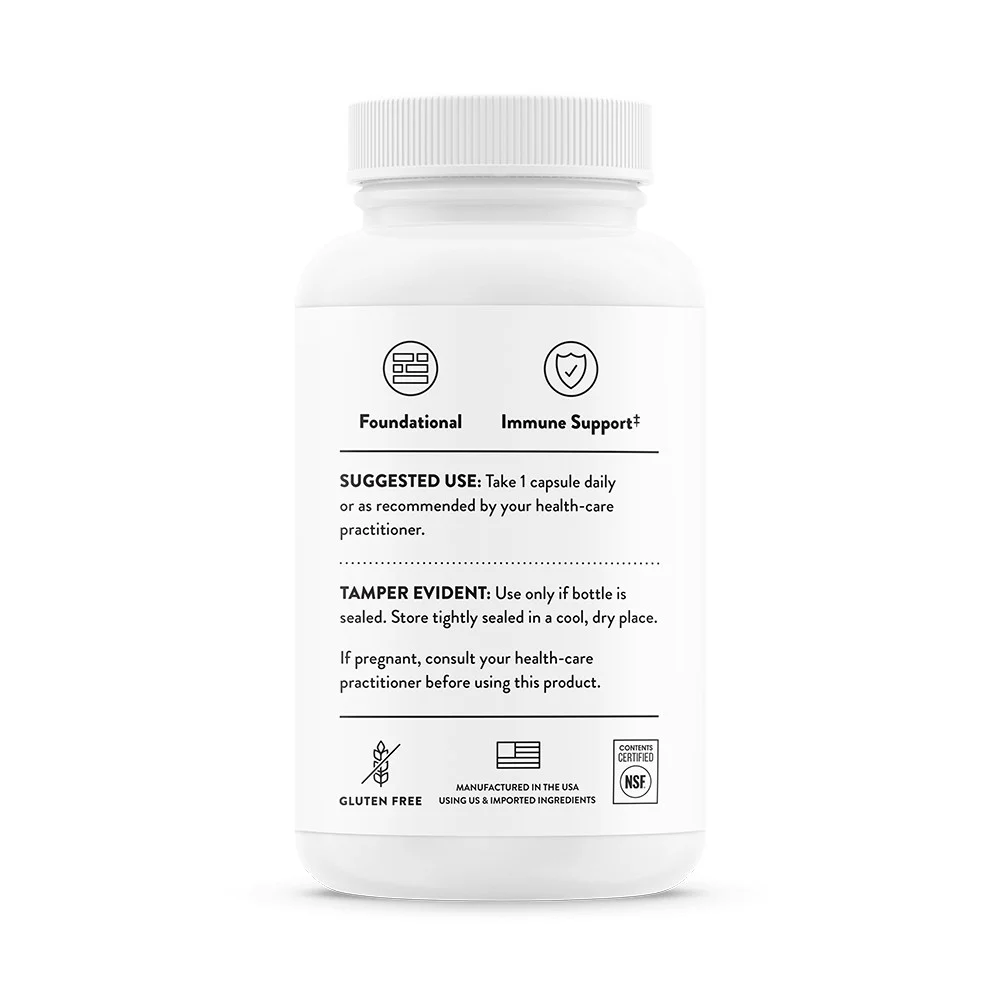
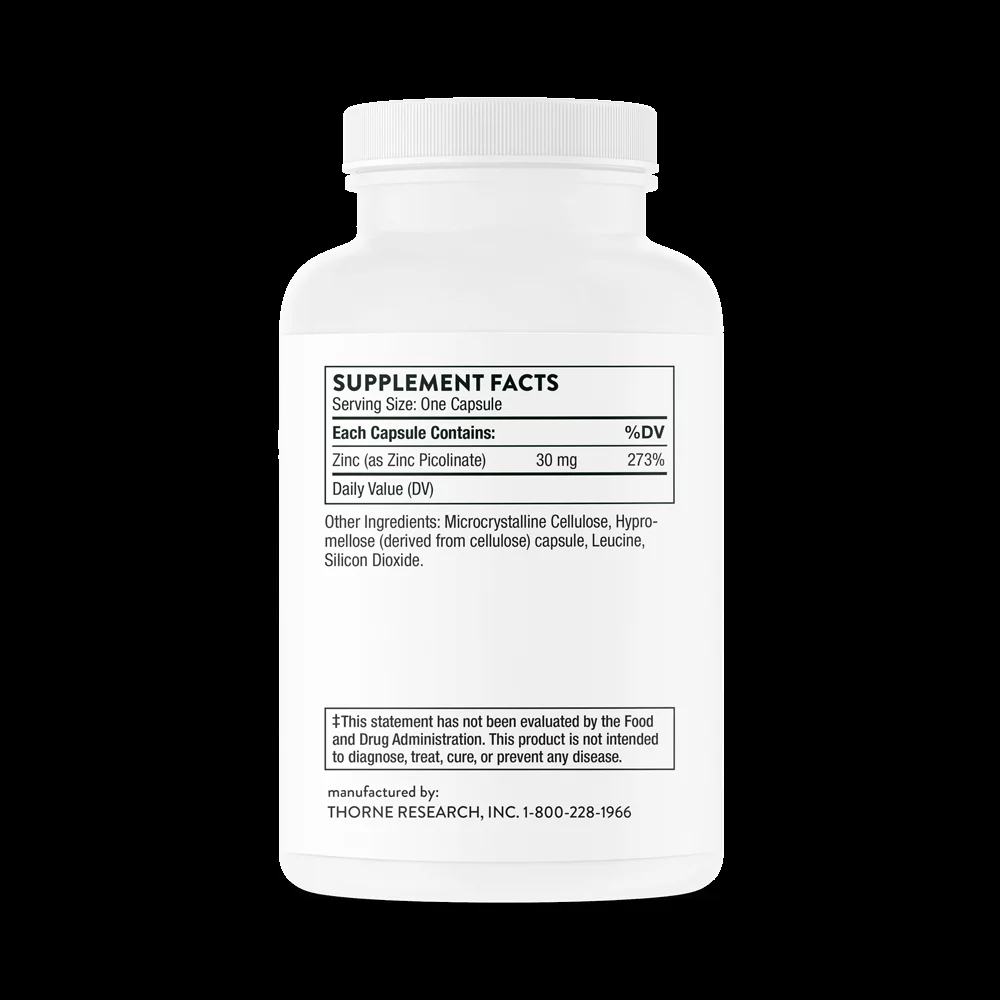
| 2 | Thorne Zinc Picolinate 30 mg | 96 A | $0.68 |
| 3 | Pure Encapsulations Zinc Liquid 15 mg | 93 A | $1.45 |
| 4 | Thorne Zinc Bisglycinate 15 mg | 91 A | $0.25 |
| 5 | Pure Encapsulations CogniPhos | 91 A | $1.25 |
| 6 | Pure Encapsulations UltraZin Zinc | 91 A | $0.23 |
| 7 | Pure Encapsulations Zinc 30 | 91 A | $0.23 |
| 8 | Pure Encapsulations Zinc 15 | 91 A | $0.32 |
| 9 | Pure Encapsulations Zinc (citrate) | 91 A | $0.21 |
| 10 | Solgar Zinc Picolinate | 91 A | $0.09 |
| 11 | Pure Encapsulations Zinc chewables | 91 A | $0.20 |
| 12 | Nutricost Calcium + Magnesium + Zinc Citrates with Vitamin D3 Powder | 90 A | $0.32 |
Scored on dose accuracy, form, label transparency and third-party testing. Per-serving cost is list price divided by servings per container. No brand pays to be listed or ranked.
Common questions
How much Zinc (as Zinc Bisglycinate Chelate) should I take?
The typical range is 8-11 mg daily (elemental zinc). ongoing for maintenance; higher doses for acute immune support should be limited to 2-3 weeks
When should I take Zinc (as Zinc Bisglycinate Chelate)?
can be taken with or without food, though food may reduce absorption. absorption better on empty stomach, but food can reduce GI upset.
Which form of Zinc (as Zinc Bisglycinate Chelate) is best?
zinc bisglycinate chelate.
Is Zinc (as Zinc Bisglycinate Chelate) safe?
Commonly reported: nausea, metallic taste, headache (at high doses).
Which Zinc (as Zinc Bisglycinate Chelate) supplement scores highest?
Thorne Zinc Bisglycinate 30 mg, at 96/100. Scored on dose accuracy, form, label transparency and third-party testing — no brand pays to be listed or ranked.
Daily target & upper limit
11 mg / day · UL 40 mgZinc (as Zinc Bisglycinate Chelate) has an established daily reference intake. See best forms, label synonyms, upper-limit warnings, and top-scoring supplements:
Zinc (as Zinc Bisglycinate Chelate) dosage reference →Primary uses
- immune function
- wound healing
- protein synthesis
- antioxidant defense
- reproductive health
How it works
- component of immune cells and antibodies
- cofactor for over 300 enzymes
- supports collagen formation
- regulates gene expression
Dosage
- Typical range
- 8-11 mg daily (elemental zinc)
- Timing
- can be taken with or without food, though food may reduce absorption
- With food
- absorption better on empty stomach, but food can reduce GI upset
- Duration
- ongoing for maintenance; higher doses for acute immune support should be limited to 2-3 weeks
- Special populations
- pregnant/nursing women: 11-13 mg daily; vegans/vegetarians may need higher intakes
Forms
- zinc bisglycinate chelate· 70/100
Safety
Common side effects
- nausea
- metallic taste
- headache (at high doses)
Contraindications
- do not exceed 40 mg daily long-term without medical supervision
Products containing Zinc (as Zinc Bisglycinate Chelate)
Top-scoring supplements in our catalog that list Zinc (as Zinc Bisglycinate Chelate) on the label. Each product is graded on Formulate's ingredient-level rubric — dose accuracy, form, transparency, and third-party testing.


Evidence notes
Zinc has strong RCT evidence for immune support and wound healing. Bisglycinate chelate form shows superior absorption compared to inorganic salts like oxide or sulfate.
Grade A: Multiple well-designed human trials support the main claims.
Related in Mineral
Check a full stack
Formulate's free interaction checker lets you paste in any combination of supplements and medications at once — every pairing flags severity, timing, and cited evidence.
Open the checkerWhere does Zinc (as Zinc Bisglycinate Chelate) fit in your stack?
Answer two questions and get a stack graded on research — every ingredient scored on the evidence behind it, not the marketing.
Build my stack2 questions · free · no account needed to start
Also on iPhone — get the free app
Evidence-based supplement guides, no spam
We send a short digest when new guides drop — nothing else. No affiliate pushes, no sponsored content, unsubscribe anytime.
Medical disclaimer. This page is educational and does not replace advice from a qualified healthcare provider. Individual needs and risks vary — consult a professional before starting, stopping, or combining supplements, especially if you are pregnant or nursing, taking medication, or managing a health condition.