Mineral
Zinc (as Zinc Bisglycinate)
Also known as: Zinc glycinate, Chelated zinc, Zinc bisglycinate chelate
Zinc is an essential mineral involved in immune function, protein synthesis, and wound healing. Bisglycinate chelation enhances bioavailability and reduces gastrointestinal irritation compared to zinc oxide or sulfate forms.
Last reviewed June 2026 · Evidence graded from peer-reviewed research, not editorial opinion. Educational only — not medical advice.
Every Zinc (as Zinc Bisglycinate) product we have scored
| # | Product | Score | Per serving |
|---|---|---|---|
| 1 | Thorne Zinc Bisglycinate 30 mg | 96 A | $0.33 |
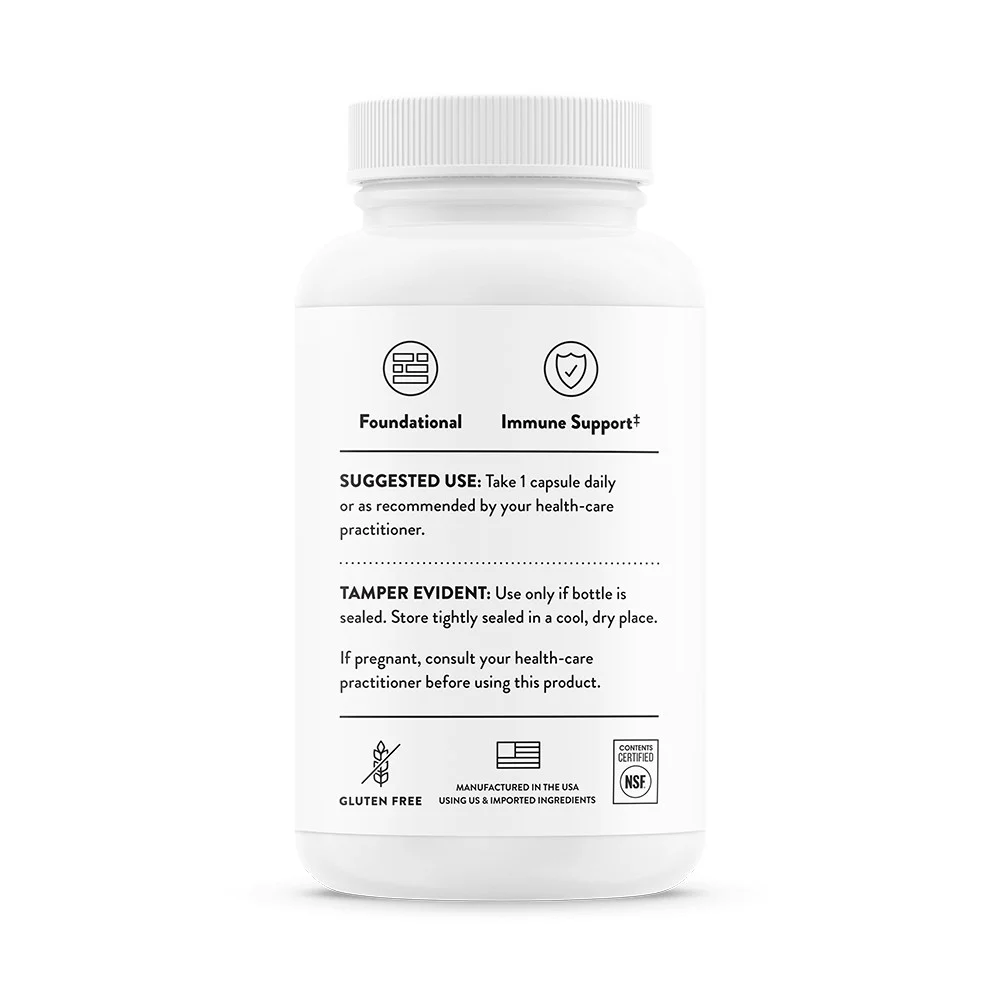
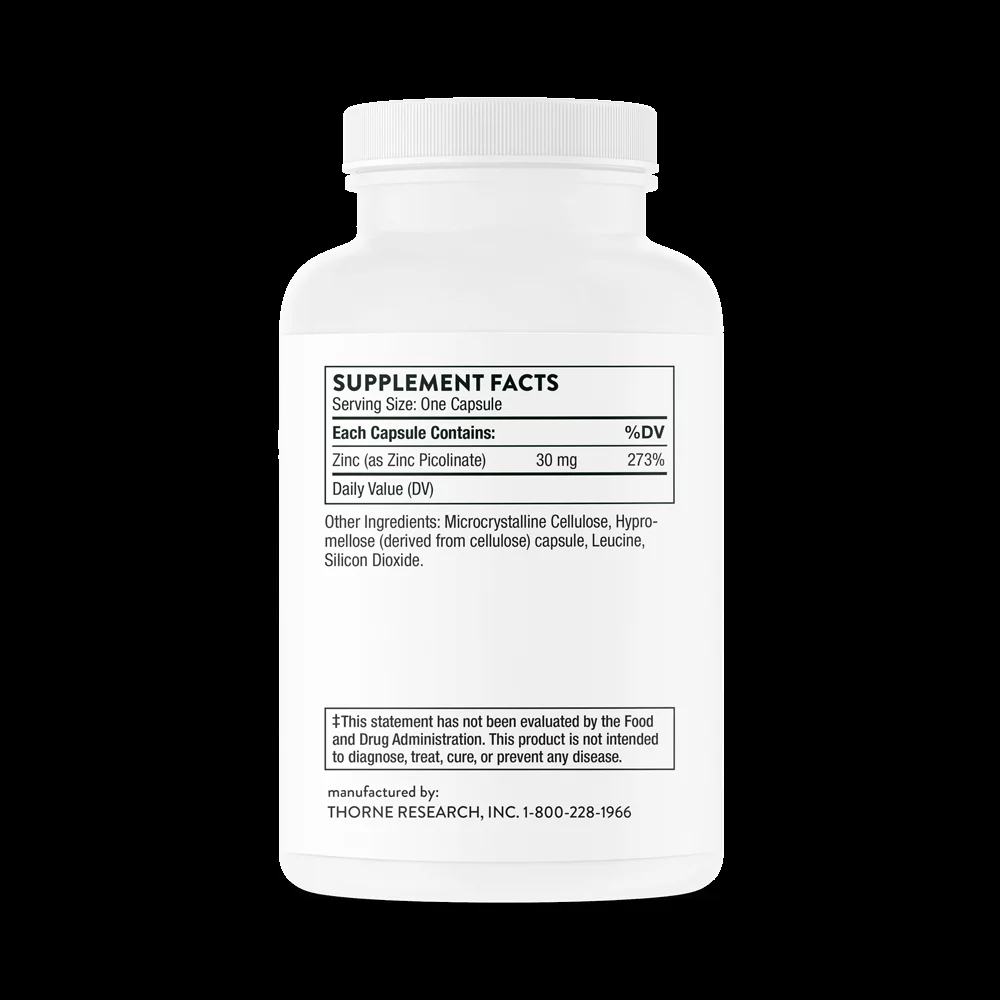
| 2 | Thorne Zinc Picolinate 30 mg | 96 A | $0.68 |
| 3 | Pure Encapsulations Zinc Liquid 15 mg | 93 A | $1.45 |
| 4 | Thorne Zinc Bisglycinate 15 mg | 91 A | $0.25 |
| 5 | Pure Encapsulations CogniPhos | 91 A | $1.25 |
| 6 | Pure Encapsulations UltraZin Zinc | 91 A | $0.23 |
| 7 | Pure Encapsulations Zinc 30 | 91 A | $0.23 |
| 8 | Pure Encapsulations Zinc 15 | 91 A | $0.32 |
| 9 | Pure Encapsulations Zinc (citrate) | 91 A | $0.21 |
| 10 | Solgar Zinc Picolinate | 91 A | $0.09 |
| 11 | Pure Encapsulations Zinc chewables | 91 A | $0.20 |
| 12 | Nutricost Calcium + Magnesium + Zinc Citrates with Vitamin D3 Powder | 90 A | $0.32 |
Scored on dose accuracy, form, label transparency and third-party testing. Per-serving cost is list price divided by servings per container. No brand pays to be listed or ranked.
Common questions
How much Zinc (as Zinc Bisglycinate) should I take?
The typical range is 8-11 mg elemental zinc daily. Ongoing supplementation for optimal immune and general health support
When should I take Zinc (as Zinc Bisglycinate)?
Consistent daily dosing recommended. Take with food to reduce nausea and enhance absorption.
Which form of Zinc (as Zinc Bisglycinate) is best?
Zinc bisglycinate (chelated form).
Is Zinc (as Zinc Bisglycinate) safe?
Commonly reported: Metallic taste, Nausea (reduced with chelated form and food), Copper deficiency with excessive long-term use.
Which Zinc (as Zinc Bisglycinate) supplement scores highest?
Thorne Zinc Bisglycinate 30 mg, at 96/100. Scored on dose accuracy, form, label transparency and third-party testing — no brand pays to be listed or ranked.
Primary uses
- Immune function
- Wound healing
- Protein synthesis
- Testosterone support
- Antioxidant defense
How it works
- Component of 300+ enzymes
- Cofactor for immune cell development and function
- DNA synthesis and cell division
- Antioxidant protection
Dosage
- Typical range
- 8-11 mg elemental zinc daily
- Timing
- Consistent daily dosing recommended
- With food
- Take with food to reduce nausea and enhance absorption
- Duration
- Ongoing supplementation for optimal immune and general health support
- Special populations
- RDA: 11 mg (adult males), 8 mg (adult females), 11-12 mg (pregnant/lactating), 2-11 mg (children). Upper limit: 40 mg/day to avoid copper antagonism.
Forms
- Zinc bisglycinate (chelated form)· 70/100
Safety
Common side effects
- Metallic taste
- Nausea (reduced with chelated form and food)
- Copper deficiency with excessive long-term use
Contraindications
- Hemochromatosis (consult healthcare provider)
Products containing Zinc (as Zinc Bisglycinate)
Top-scoring supplements in our catalog that list Zinc (as Zinc Bisglycinate) on the label. Each product is graded on Formulate's ingredient-level rubric — dose accuracy, form, transparency, and third-party testing.


Evidence notes
Extensive RCT evidence supports zinc's role in immune function, wound healing, and overall health. Bisglycinate chelation shows superior absorption and tolerability in clinical comparisons.
Grade A: Multiple well-designed human trials support the main claims.
Zinc (as Zinc Bisglycinate) compared head-to-head
Related in Mineral
Check a full stack
Formulate's free interaction checker lets you paste in any combination of supplements and medications at once — every pairing flags severity, timing, and cited evidence.
Open the checkerWhere does Zinc (as Zinc Bisglycinate) fit in your stack?
Answer two questions and get a stack graded on research — every ingredient scored on the evidence behind it, not the marketing.
Build my stack2 questions · free · no account needed to start
Also on iPhone — get the free app
Evidence-based supplement guides, no spam
We send a short digest when new guides drop — nothing else. No affiliate pushes, no sponsored content, unsubscribe anytime.
Medical disclaimer. This page is educational and does not replace advice from a qualified healthcare provider. Individual needs and risks vary — consult a professional before starting, stopping, or combining supplements, especially if you are pregnant or nursing, taking medication, or managing a health condition.