Nootropic
Ginkgo biloba
Also known as: Ginkgo, Maidenhair tree, Ginkgo biloba Extract, Ginkgo leaf extract
Ginkgo biloba leaf extract is a traditional herbal supplement standardized for flavonoid glycosides and terpenoids, with clinical evidence supporting modest benefits for cognitive function and peripheral circulation. The extract has been extensively studied, though effect sizes in healthy populations are modest.
Last reviewed June 2026 · Evidence graded from peer-reviewed research, not editorial opinion. Educational only — not medical advice.
Every Ginkgo biloba product we have scored
| # | Product | Score | Per serving |
|---|---|---|---|
| 1 | Thorne Memoractiv™ | 89 A | $2.33 |
| 2 | Pure Encapsulations Ginkgo 50 160 mg | 87 A | $0.66 |
| 3 | Nutricost Ginkgo Biloba Capsules | 87 A | $0.07 |
| 4 | NOW Foods Double Strength Ginkgo Biloba | 87 A | $0.15 |
| 5 | NOW Foods Ginkgo Biloba | 86 A- | $0.10 |
| 6 | Pure Encapsulations Memory Pro | 85 A- | $2.23 |
| 7 | Nature's Way Ginkgold Max | 82 A- | $0.77 |
| 8 | NOW Foods Clinical Strength Ocu Support | 81 A- | $0.73 |
| 9 | Life Extension Ginkgo Biloba | 80 A- | $0.11 |
| 10 | NOW Foods True Focus | 80 A- | $0.31 |
| 11 | Bluebonnet Nutrition GINKGO BILOBA LEAF EXTRACT | 80 A- | $0.46 |
| 12 | Gaia Herbs Nootropic Focus | 79 B+ | $1.84 |
Scored on dose accuracy, form, label transparency and third-party testing. Per-serving cost is list price divided by servings per container. No brand pays to be listed or ranked.
Common questions
How much Ginkgo biloba should I take?
The typical range is 120-240 mg daily. 4-6 weeks for effects
When should I take Ginkgo biloba?
Divided doses. Optional.
Which form of Ginkgo biloba is best?
Standardized extract — 24% flavonoids, 6% terpenes. Other forms in the catalog: EGb 761, Powder, Capsule, Tablet, Liquid extract.
Is Ginkgo biloba safe?
Commonly reported: Headache, GI upset, Dizziness. Serious warnings: Significant bleeding risk with blood thinners, Stop 2 weeks before surgery, May lower seizure threshold, Avoid with anticoagulants and antiplatelet drugs. Safe
Which Ginkgo biloba supplement scores highest?
Thorne Memoractiv™, at 89/100. Scored on dose accuracy, form, label transparency and third-party testing — no brand pays to be listed or ranked.
Primary uses
- Cerebral circulation
- Memory
- Focus
- Tinnitus
- Age-related cognitive decline
- Peripheral circulation and vascular health
- Claudication
What systematic reviews concluded
Outcomes that systematic reviews of Ginkgo biloba reached a verdict on: 2 with a benefit, 2 with harm reported, 3 unclear. Each is quoted from a review and linked to it on PubMed. How these were read.
Reviews found a benefit (2)
“GBE preparations may alleviate angina symptoms and myocardial ischemia in the treatment of UAP with favorable safety.” PMID 38718890
“This meta-analysis showed that the GBLE could reduce serum inflammatory markers.” PMID 35781715
Harm reported (2)
“Key sensitizers include vitamin derivatives (tocopherol, phytonadione, ascorbic acid), herbal extracts (Ginkgo biloba, turmeric, St. John's Wort), and antioxidants (α-lipoic acid, resveratrol).” PMID 41101984
“These include Chinese wolfberry, chamomile tea, cannabis, cranberry, chitosan, green tea, Ginkgo biloba, ginger, spinach, St. John's Wort, sushi and smoking tobacco.” PMID 32478963 · 2 reviews
Not enough to say: tinnitus; cognitive function; hpa axis activity.
How it works
- Improves microcirculation
- Antioxidant flavonoids
- Inhibits platelet aggregation
Dosage
- Typical range
- 120-240 mg daily
- Timing
- Divided doses
- With food
- Optional
- Duration
- 4-6 weeks for effects
- Special populations
- Elderly, circulation concerns
Forms
- Standardized extract
- EGb 761
- Powder· 70/100
- Capsule· 70/100
- Tablet· 70/100
- Liquid extract· 70/100
Safety
Common side effects
- Headache
- GI upset
- Dizziness
Contraindications
- Active bleeding or bleeding disorders
- Upcoming surgery (stop 14 days prior)
- Concurrent use with warfarin or anticoagulants
- Seizure disorders (low-quality extracts may contain ginkgotoxin)
- Pregnancy and breastfeeding
Products containing Ginkgo biloba
Top-scoring supplements in our catalog that list Ginkgo biloba on the label. Each product is graded on Formulate's ingredient-level rubric — dose accuracy, form, transparency, and third-party testing.
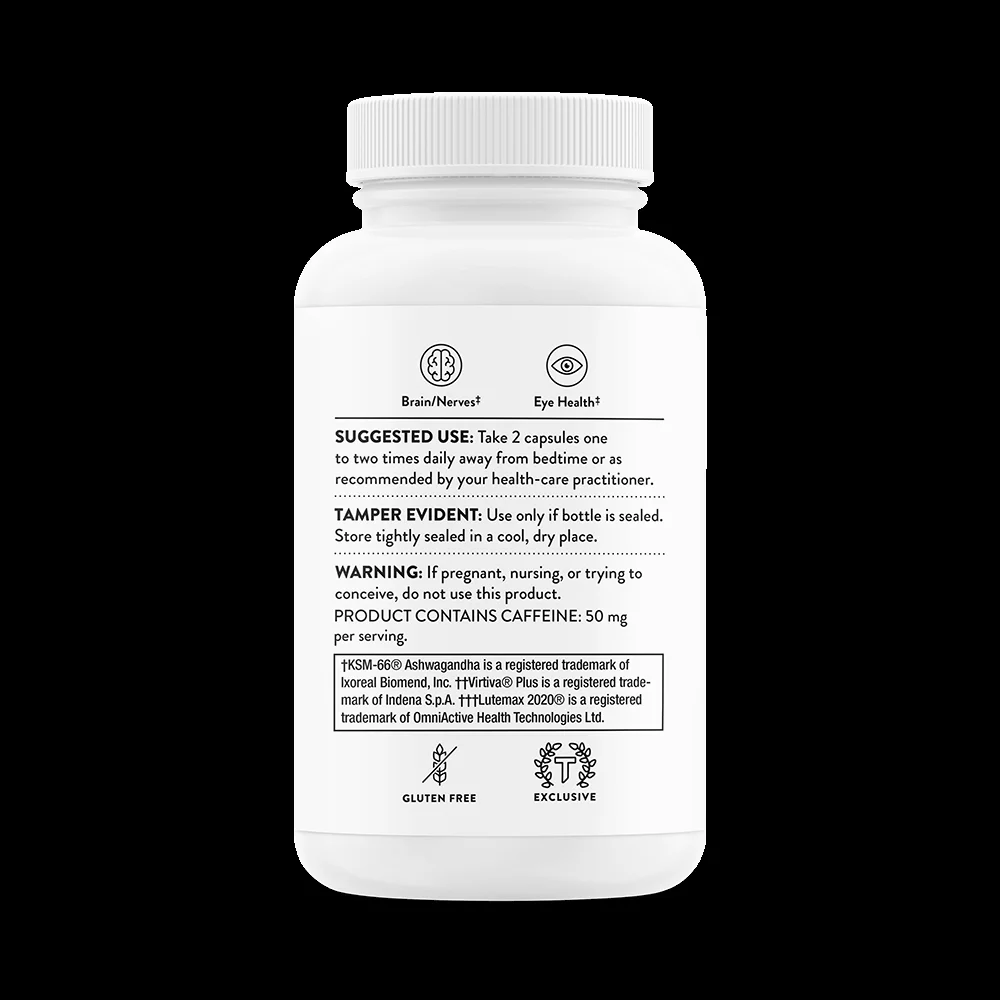


Known interactions
Evidence notes
Improves brain blood flow
Grade B: Some human trials support key claims; further confirmation needed.
Cited research for Ginkgo biloba
Clinical studies referenced across Formulate guides that mention ginkgo biloba. Each links to the full study page with PubMed source + the guides that cite it.
- Primary literature (2025)Observational study
Impact of Ginkgo biloba drug interactions on bleeding risk and coagulation profiles
- Millery et al. (2015)AMIA Annu Symp Proc
Ginkgo and Warfarin Interaction in a Large Veterans Administration Population
- Bone (2008)Mol Nutr Food Res
Potential interaction of Ginkgo biloba leaf with antiplatelet or anticoagulant drugs: what is the evidence?
- Gardner et al. (2007)Blood Coagul Fibrinolysis
Effect of Ginkgo biloba (EGb 761) and aspirin on platelet aggregation and platelet function analysis among older adults at risk of cardiovascular disease
Ginkgo biloba compared head-to-head
Related in Nootropic
Check a full stack
Formulate's free interaction checker lets you paste in any combination of supplements and medications at once — every pairing flags severity, timing, and cited evidence.
Open the checkerWhere does Ginkgo biloba fit in your stack?
Answer two questions and get a stack graded on research — every ingredient scored on the evidence behind it, not the marketing.
Build my stack2 questions · free · no account needed to start
Also on iPhone — get the free app
Evidence-based supplement guides, no spam
We send a short digest when new guides drop — nothing else. No affiliate pushes, no sponsored content, unsubscribe anytime.
Medical disclaimer. This page is educational and does not replace advice from a qualified healthcare provider. Individual needs and risks vary — consult a professional before starting, stopping, or combining supplements, especially if you are pregnant or nursing, taking medication, or managing a health condition.