Probiotic Strains for IBS: Which Actually Have Evidence
Most probiotic marketing ignores strain specificity. For IBS, three strains have real clinical evidence — and dozens of common ones have none.
- Most 'IBS probiotics' don't list specific strains — and strain specificity is everything.
- Bifidobacterium infantis 35624 (in Align) has the strongest RCT evidence for global IBS symptom relief.
- Lactobacillus plantarum 299v reduces abdominal pain and bloating, especially gas-dominant IBS.
- Saccharomyces boulardii CNCM I-745 is a yeast-based option with good evidence for IBS-D (diarrhea-predominant).
- Generic acidophilus, unlabeled multi-strain blends, and yogurt cultures have no meaningful IBS data.
- If you have SIBO, probiotics may make things worse — rule it out before starting.
Probiotic strains for IBS are not interchangeable — only three specific strains have rigorous clinical trial evidence supporting their use, and most products on the market don’t contain any of them. The majority of “IBS probiotic” labels list species without strain identifiers, which is like recommending “a dog” for a specific job without specifying the breed.
Why Strain Specificity Changes Everything
In microbiology, strains within the same species can have radically different effects. Escherichia coli Nissle 1917 is a therapeutic probiotic; E. coli O157:H7 can kill you. The same logic applies to probiotic supplements. A product that lists “Lactobacillus acidophilus” without a strain designation (like NCFM or La-5) is telling you almost nothing about what it will do in your gut.
For IBS specifically, clinical trials test individual strains at defined doses in defined populations. When a product swaps strains or uses untested ones, the trial data no longer applies. This is the single most important concept in probiotic selection, and most marketing ignores it entirely. If you’re learning to evaluate these claims, our guide on what to look for in a probiotic covers the fundamentals.
B. infantis 35624: The Strongest IBS Evidence
Bifidobacterium longum subsp. infantis 35624 — marketed as Align — has the most robust randomized controlled trial (RCT) data of any probiotic for IBS. The landmark trial by Whorwell et al. (2006) enrolled 362 women with IBS and found that B. infantis 35624 at 1×10⁸ CFU/day significantly reduced abdominal pain, bloating, bowel dysfunction, incomplete evacuation, straining, and gas compared to placebo over four weeks.
Importantly, higher doses (1×10¹⁰ CFU) did not perform better than the lower dose in that trial — a finding that undermines the common marketing claim that more CFUs equals more benefit. Subsequent mechanistic studies suggest B. infantis 35624 modulates the Th1/Th2 immune balance, which may explain its broad symptom relief across IBS subtypes rather than just one.
L. plantarum 299v: Nobaek’s IBS Data
Lactobacillus plantarum 299v (DSM 9843) was studied in a double-blind RCT by Nobaek et al. (2000) involving 60 IBS patients. Over four weeks, the strain significantly reduced flatulence and abdominal pain compared to placebo. Moderate evidence A larger trial by Ducrotté et al. (2012) confirmed these findings in 214 patients with moderate-to-severe IBS, showing significant reductions in abdominal pain severity and frequency at a dose of 10×109 CFU/day.
L. plantarum 299v appears particularly effective for gas-dominant symptoms. It’s less studied for constipation-predominant IBS, so if bloating and flatulence are your main complaints, this strain has reasonable evidence. If constipation dominates, the data is thinner.
S. boulardii: The IBS-D Option
Saccharomyces boulardii CNCM I-745 is a yeast, not a bacterium, which gives it a unique advantage: it’s unaffected by antibiotics. It’s best studied for diarrhea-predominant IBS (IBS-D). A meta-analysis by McFarland et al. (2010) found S. boulardii reduced diarrheal symptoms across multiple GI conditions, and IBS-specific trials show modest but consistent improvements in stool consistency and urgency.
S. boulardii also has strong evidence for preventing Clostridioides difficile recurrence. While that’s a different clinical context, it speaks to the strain’s ability to influence gut ecology in a clinically meaningful way. Typical IBS-D dosing is 250–500 mg (roughly 5×10⁹ CFU) twice daily.
What Doesn’t Have IBS Evidence (Don’t Waste Money)
Most probiotic products marketed for IBS contain strains with no IBS-specific trial data. Common offenders include:
- Generic “Lactobacillus acidophilus” without a strain ID — no IBS RCTs support unspecified acidophilus.
- Multi-strain “gut health” blends with 10–15 species listed — more strains doesn’t mean more benefit. If none of the specific strains are tested for IBS, the blend is speculative.
- Yogurt starter cultures (S. thermophilus, L. bulgaricus) — these are selected for fermentation properties, not therapeutic outcomes.
- Soil-based organisms (Bacillus spp.) — emerging research exists, but IBS-specific RCT evidence is thin and inconsistent.
The supplement industry loves the word “blend” because it avoids accountability to specific strain-level evidence. If a product can’t tell you which strain at which dose was tested in which population, treat its IBS claims with skepticism.
IBS Subtypes: D, C, and M
Your IBS subtype shapes which probiotic strain is most likely to help:
- IBS-D (diarrhea-predominant): S. boulardii CNCM I-745 has the most targeted data. B. infantis 35624 also showed benefit in mixed populations that included IBS-D.
- IBS-C (constipation-predominant): B. infantis 35624 showed improvement across subtypes in the Whorwell trial, but no single strain has strong IBS-C-specific data. Some clinicians use B. lactis BB-12 for transit time, though IBS-specific evidence is limited.
- IBS-M (mixed): B. infantis 35624 is the most reasonable first choice, given its subtype-agnostic results.
If you don’t know your subtype, a gastroenterologist can help classify it using Rome IV criteria. This classification matters for probiotic selection and broader treatment strategy.
How Long to Try Before Switching
Probiotic effects in IBS trials typically emerge between weeks 2 and 4, with maximal benefit often seen by week 8. The clinical consensus is to commit to a single strain at a consistent dose for at least 4 weeks before deciding it isn’t working. Shorter trials don’t give the gut microbiome enough time to respond.
If you see no improvement after 8 weeks, it’s reasonable to switch to one of the other evidence-backed strains. Don’t stack multiple probiotic products simultaneously — you won’t know which one is helping (or causing side effects). Keep a simple symptom diary: track abdominal pain, bloating, stool form (Bristol scale), and urgency weekly.
Probiotic + Low-FODMAP Combination
A growing body of evidence suggests combining probiotics with a low-FODMAP diet produces better IBS outcomes than either intervention alone. Staudacher et al. (2017) found that a low-FODMAP diet combined with a multi-strain probiotic improved symptom adequacy and reduced symptom severity scores more than diet alone. Moderate evidence
The logic is complementary: the low-FODMAP diet reduces fermentable substrate that triggers symptoms, while specific probiotic strains may help restore microbial diversity that the restrictive diet can deplete. If you’re already on a low-FODMAP protocol, adding one of the evidence-backed strains above is a reasonable next step — not a replacement for the dietary intervention.
The SIBO Exception
Small intestinal bacterial overgrowth (SIBO) is a distinct condition that can mimic or coexist with IBS. An estimated 30–85% of IBS patients may have SIBO, depending on the diagnostic criteria used. If SIBO is present, adding probiotics — especially bacterial ones — may worsen bloating, gas, and abdominal distension by adding more organisms to an already overpopulated small intestine.
S. boulardii may be a partial exception here, as yeast-based probiotics don’t contribute to bacterial counts in the small intestine. But the evidence is not strong enough to make a blanket recommendation. When in doubt, test first.
Storage and CFU Viability
A probiotic that’s dead on arrival is useless. Two label claims matter for viability:
- “CFU at time of manufacture” — this tells you almost nothing. Organisms die during shipping and shelf storage. Avoid products that only guarantee CFU at manufacture.
- “CFU through expiration” — this is the standard to look for. It means the manufacturer has tested stability and guarantees the labeled count will be present when you take it.
Shelf-stable formulations using microencapsulation or blister packaging often outperform refrigerated products in real-world viability, because they’re engineered for room-temperature survival. Refrigeration isn’t inherently better — it depends entirely on the formulation technology. Align (B. infantis 35624) uses blister packaging and guarantees CFU through expiration at room temperature, which is one reason it performs consistently in clinical settings.
Frequently Asked Questions
Can I take multiple probiotic strains at once for IBS?
You can, but it makes it harder to identify what’s working. The evidence-backed strains for IBS were each studied individually. If you start two strains simultaneously and your symptoms improve (or worsen), you won’t know which strain is responsible. Start with one, give it 4–8 weeks, and assess before adding or switching.
Are higher CFU counts better for IBS?
Not necessarily. The Whorwell (2006) trial for B. infantis 35624 found that 1×10⁸ CFU outperformed 1×10¹⁰ CFU. More isn’t automatically better with probiotics — optimal dose depends on the specific strain. Follow the dose used in the clinical trial for your chosen strain, not the highest number on the shelf.
Should I take probiotics with food or on an empty stomach?
Most IBS probiotic trials administered the strain with or shortly before a meal. Food buffers stomach acid, which improves bacterial survival through the upper GI tract. S. boulardii is more acid-resistant as a yeast and is less sensitive to timing. A reasonable default: take your probiotic with breakfast.
Will probiotics help IBS caused by stress or anxiety?
The gut-brain axis is real, but the evidence for probiotics specifically improving stress-driven IBS is preliminary. B. infantis 35624 has shown some immune-modulating effects that may be relevant, but no probiotic has strong evidence as a primary treatment for psychologically driven IBS. Address the stress component with your provider in parallel.
How do I know if my IBS probiotic is working?
Track your primary symptoms weekly using a simple scale: abdominal pain (0–10), bloating severity (0–10), stool consistency (Bristol scale 1–7), and number of urgent episodes. Compare your baseline week to weeks 4 and 8. A meaningful response is usually a 30%+ improvement in your worst symptom. If nothing has changed by week 8, switch strains.
Is Align probiotic worth the price vs generic B. infantis 35624?
The guide identifies Align as the branded source of B. infantis 35624 — the specific strain tested in the Whorwell (2006) RCT — and notes it uses blister packaging that guarantees CFU through expiration. The guide does not address whether cheaper products claiming to contain B. infantis 35624 are legitimate. Strain identity matters: a label can name the strain without containing the genuine isolate. If you’re evaluating alternatives, verify the strain designation matches exactly and that CFU is guaranteed through expiration, not just at manufacture.
What probiotic strains are safe during pregnancy for IBS?
The guide doesn’t cover this directly, noting only that B. infantis 35624 and L. plantarum 299v haven’t been extensively studied in pregnancy and that you should consult your OB/GYN before starting any new supplement. Pregnant women with IBS should not rely on general adult IBS probiotic guidance without provider input, as safety profiles, dosing, and risk-benefit assessments differ during pregnancy and lactation.
Can I take probiotics while on SSRIs or antidepressants for IBS?
The guide doesn’t address this directly. It acknowledges the gut-brain axis but does not discuss interactions between probiotics and SSRIs, SNRIs, or tricyclics. Drug-probiotic interactions are not well-characterized in the literature generally. If you’re prescribed any of these medications for IBS, bring your full supplement list to your prescriber before adding a probiotic — this is standard guidance for any new supplement in a medicated patient.
How long should I take a probiotic for IBS — is it forever?
The guide covers the trial period (4–8 weeks to assess response) but does not address maintenance dosing, whether to stop once symptoms improve, or whether benefits persist after discontinuation. These are legitimate questions the guide leaves unanswered. The clinical evidence base for IBS probiotics is largely built on short-term trials, so long-term dosing strategy is genuinely unclear. A gastroenterologist can help you decide whether continued use is warranted based on your symptom trajectory.
Lactobacillus rhamnosus GG for IBS — does it work?
The guide does not include LGG among the three evidence-backed IBS strains (B. infantis 35624, L. plantarum 299v, S. boulardii CNCM I-745). It explicitly notes that strains without IBS-specific RCT evidence should be treated with skepticism, regardless of how widely recognized the strain is in other contexts. LGG has strong evidence for pediatric diarrhea and antibiotic-associated diarrhea, but that data does not transfer to IBS. Based on the guide’s framework, LGG is not a supported choice for IBS.
What probiotic should I try for IBS-C if B. infantis 35624 didn’t work?
The guide is candid that IBS-C has the weakest probiotic evidence overall. If B. infantis 35624 failed after an 8-week trial, the guide mentions B. lactis BB-12 as a strain some clinicians use for transit time, but explicitly flags it as having limited IBS-specific evidence. No fallback strain with strong IBS-C RCT data exists per the guide. For constipation-predominant IBS, a gastroenterologist can assess whether other interventions — dietary, motility-based, or pharmacological — are more appropriate than continuing to cycle through probiotics.
Can children take these IBS probiotics?
The guide doesn’t cover this directly. All three evidence-backed strains (B. infantis 35624, L. plantarum 299v, S. boulardii CNCM I-745) were studied in adult populations, and pediatric IBS requires separate clinical evaluation. Adult trial data cannot be automatically extrapolated to children for dosing, safety, or efficacy. Consult a pediatric gastroenterologist before giving any of these strains to a child with IBS symptoms.
Who Should Talk to a Doctor First
Probiotics are generally well-tolerated, but certain populations face elevated risks or need diagnostic clarity before starting.
None of the above is medical advice. Bring your full supplement list to your next provider visit.
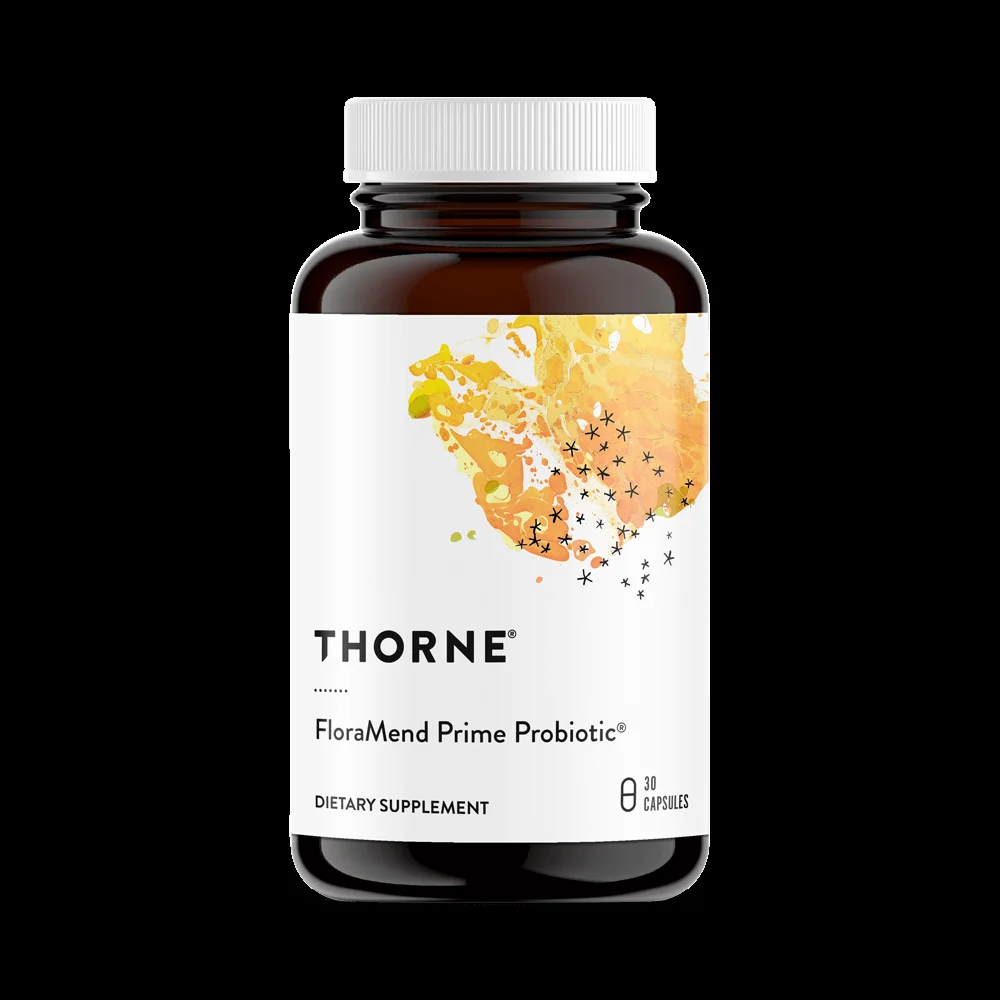
- 1
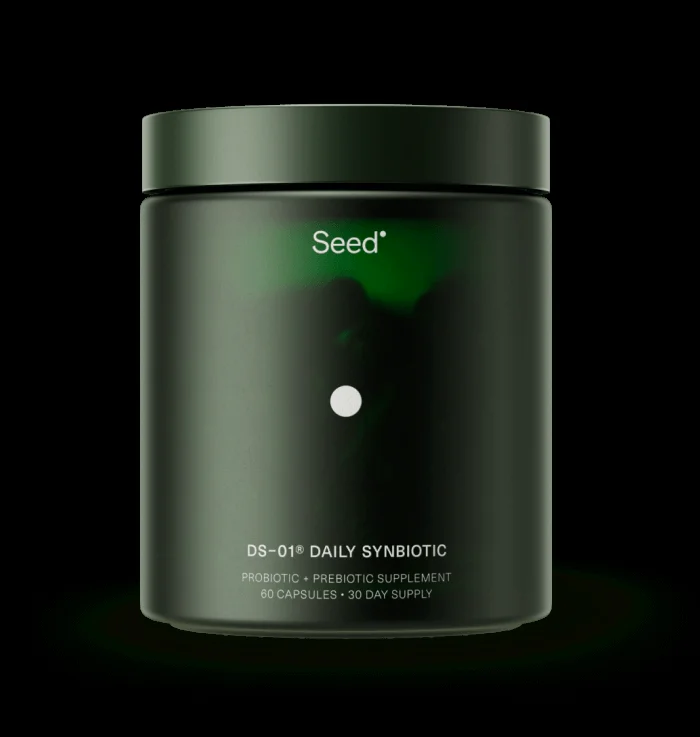 DS-01® Daily SynbioticSeed · $49.9990
 - 2
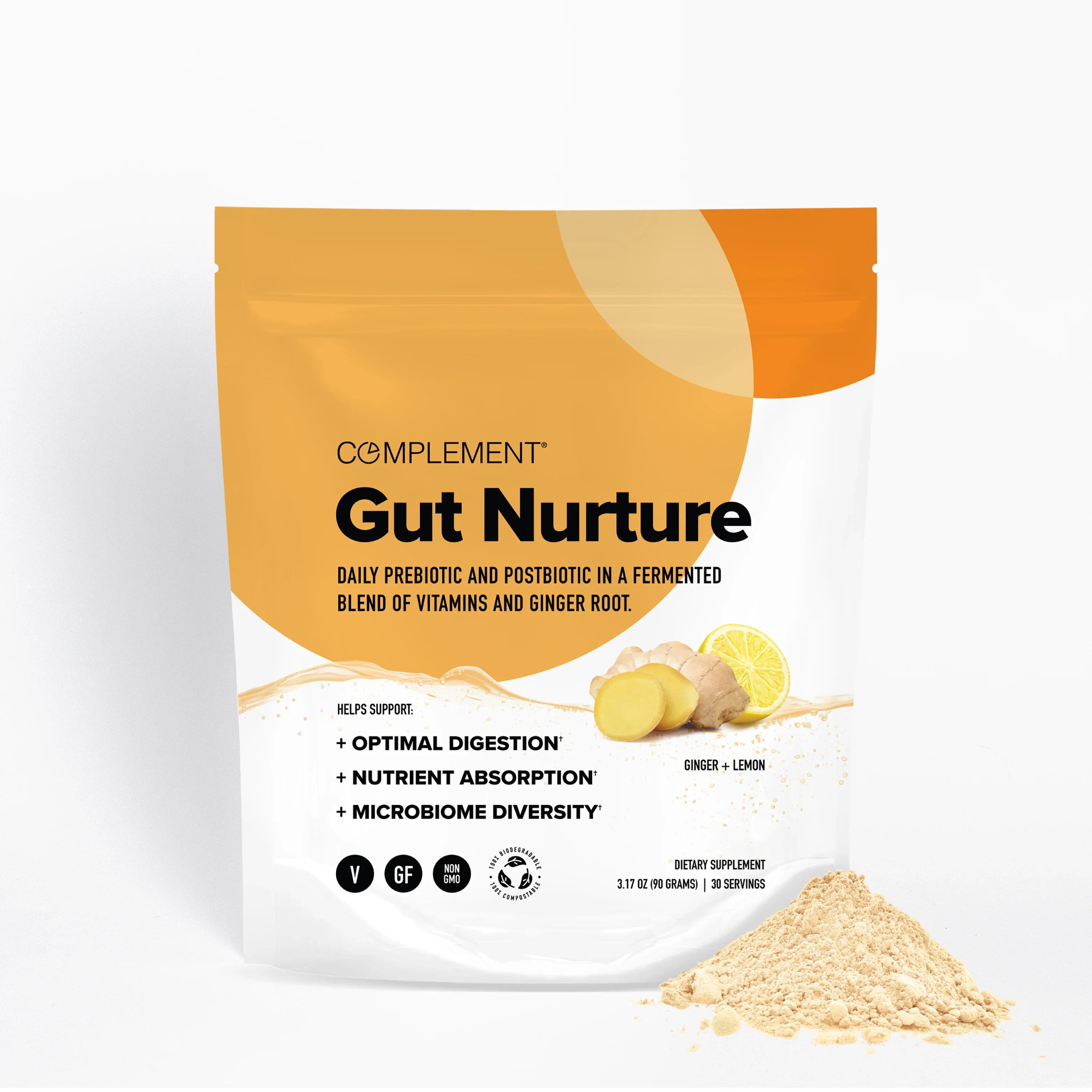 Gut NurtureComplement · $58.0089
 - 3
 Baby & Me 2 Prenatal Probiotic + PrebioticMegaFood · $32.9988
 - 4
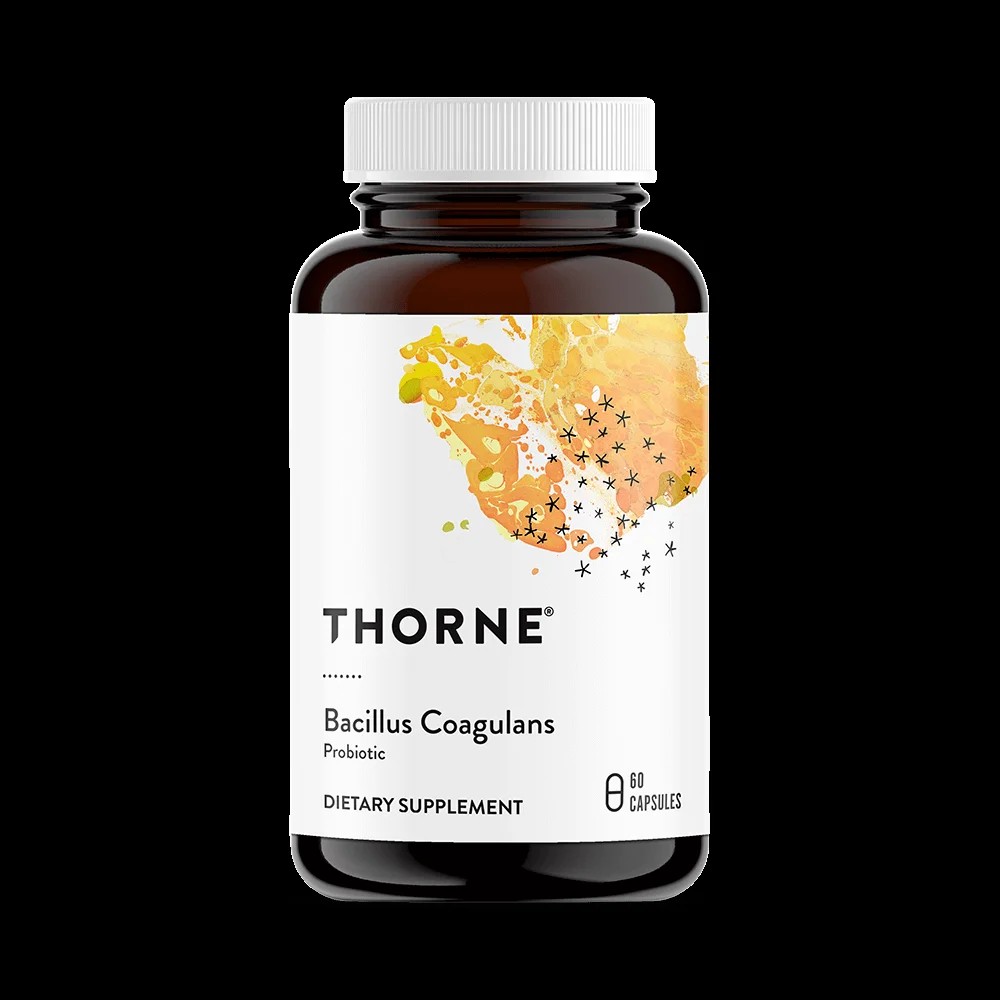 Bacillus CoagulansThorne · $33.0088
 - 5
 FloraSport 20B®Thorne · $42.0086
Recomputed from the catalog every time this page is built, so it moves as products are added and rescored. Flavours and pack sizes of one product count once.
The Bottom Line
The probiotic market for IBS is overwhelmingly noise. Hundreds of products claim to support “digestive health” or “gut balance,” but when you filter for actual strain-specific RCT evidence in IBS populations, the list shrinks to a handful of options. That’s not a limitation — it’s a clarity advantage.
If you have IBS and want to try a probiotic, start with one of the three evidence-backed strains: Bifidobacterium infantis 35624 for broad IBS symptom relief regardless of subtype, Lactobacillus plantarum 299v for gas and pain-dominant symptoms, or Saccharomyces boulardii CNCM I-745 for diarrhea-predominant IBS. Match the strain to your primary symptoms, use the dose tested in trials, and commit for at least 4 weeks before judging.
Avoid products that don’t list strain designations, that guarantee CFU only at manufacture, or that pack 15+ species into a single capsule without evidence for any of them. These products are selling a concept (“gut health”) rather than a clinical intervention. Your money and your microbiome deserve better specificity than that.
Combine your probiotic strategy with dietary approaches like low-FODMAP if appropriate, rule out SIBO if symptoms worsen, and track your response systematically. The goal isn’t to find a miracle supplement — it’s to make an evidence-informed choice, give it a fair trial, and iterate based on data rather than marketing.
Supplements that support this
Turn this into your stack
Answer two questions and we'll build an evidence-graded starter stack — every ingredient with its dose, timing, and interaction checks.
Free · no account needed to start
Interactions to know
How these pair with other supplements and medications
Check your full stack in the free interaction checker.
Read next
What to Look for in a Probiotic — Evidence-Based 2026
Strain specificity beats CFU count every time. Learn the 3 label clues that separate clinically backed probiotics from marketing noise in 2026.
Alpha-GPC vs Citicoline: Which Choline Source Actually Works?
Two of the most effective nootropics, both precursors to acetylcholine. We break down the evidence, dosing, bioavailability, and which one fits which goal.
Creatine and Hair Loss: What the 2009 Study Actually Says
The only study linking creatine to hair loss measured a DHT proxy, not actual hair loss — and has never been replicated. Here's what the evidence really shows.
Free, university-grade courses on longevity science — from cellular biology to building an evidence-based stack.
Evidence-based supplement guides, no spam
We send a short digest when new guides drop — nothing else. No affiliate pushes, no sponsored content, unsubscribe anytime.