Other
Phospholipids (from Sunflower Lecithin)
Also known as: phosphatidylcholine, phosphatidylethanolamine, sunflower lecithin, lecithin
Phospholipids are structural components of cell membranes that support nutrient absorption and cellular function. Sunflower-derived phospholipids provide a plant-based source without soy or GMO concerns.
Last reviewed June 2026 · Evidence graded from peer-reviewed research, not editorial opinion. Educational only — not medical advice.
Every Phospholipids (from Sunflower Lecithin) product we have scored
| # | Product | Score | Per serving |
|---|---|---|---|
| 1 | Pure Encapsulations Phosphatidylcholine (sunflower) | 94 A | $1.10 |
| 2 | Complement ForHer Hormone Balance and Longevity Multivitamin for Women | 89 A | $0.67 |
| 3 | Thorne Phosphatidyl Choline | 89 A | $0.50 |
| 4 | Jarrow Formulas Neuro Optimizer | 87 A | $1.67 |
| 5 | Double Wood Liposomal Glutathione Supplement | 86 A- | $1.00 |
| 6 | Thorne RecoveryPro® | 85 A- | $3.67 |
| 7 | Nootropics Depot NKO™ Krill Oil Softgels | 85 A- | $0.50 |
| 8 | NOW Foods Maximum Strength CoQ10 | 82 A- | $1.07 |
| 9 | Nootropics Depot Smart PS™ Phosphatidylserine Softgels | 81 A- | — |
| 10 | Natural Factors Higher Thoughts | 77 B+ | $0.67 |
| 11 | Kirkland Signature Krill Oil 500mg, 180 Softgels | 76 B+ | $0.17 |
| 12 | Live Conscious KrillWell | 76 B+ | $0.97 |
Scored on dose accuracy, form, label transparency and third-party testing. Per-serving cost is list price divided by servings per container. No brand pays to be listed or ranked.
Common questions
How much Phospholipids (from Sunflower Lecithin) should I take?
The typical range is 500-2000 mg daily. Safe for long-term daily use
When should I take Phospholipids (from Sunflower Lecithin)?
With meals containing fat-soluble nutrients for optimal absorption enhancement. Take with food, preferably with fat-soluble vitamins or other lipophilic compounds.
Is Phospholipids (from Sunflower Lecithin) safe?
Commonly reported: Generally well-tolerated; rare: mild GI upset, nausea.
Which Phospholipids (from Sunflower Lecithin) supplement scores highest?
Pure Encapsulations Phosphatidylcholine (sunflower), at 94/100. Scored on dose accuracy, form, label transparency and third-party testing — no brand pays to be listed or ranked.
Daily target & upper limit
550 mg / day · UL 3500 mgPhospholipids (from Sunflower Lecithin) has an established daily reference intake. See best forms, label synonyms, upper-limit warnings, and top-scoring supplements:
Phospholipids (from Sunflower Lecithin) dosage reference →Primary uses
- Enhanced nutrient absorption
- Cell membrane integrity
- Cognitive support
- Liver health
- Emulsification for supplement delivery
How it works
- Increases cell membrane fluidity and permeability for better nutrient transport
- Supports intestinal epithelial barrier function
- Enhances bioavailability of fat-soluble compounds
- Provides structural support for cell membranes throughout the body
Dosage
- Typical range
- 500-2000 mg daily
- Timing
- With meals containing fat-soluble nutrients for optimal absorption enhancement
- With food
- Take with food, preferably with fat-soluble vitamins or other lipophilic compounds
- Duration
- Safe for long-term daily use
- Special populations
- Well-tolerated; no known contraindications in standard populations
Safety
Common side effects
- Generally well-tolerated; rare: mild GI upset, nausea
Contraindications
- Soy allergy (use sunflower source to avoid)
- Fish allergy (only if sourced from fish roe)
Products containing Phospholipids (from Sunflower Lecithin)
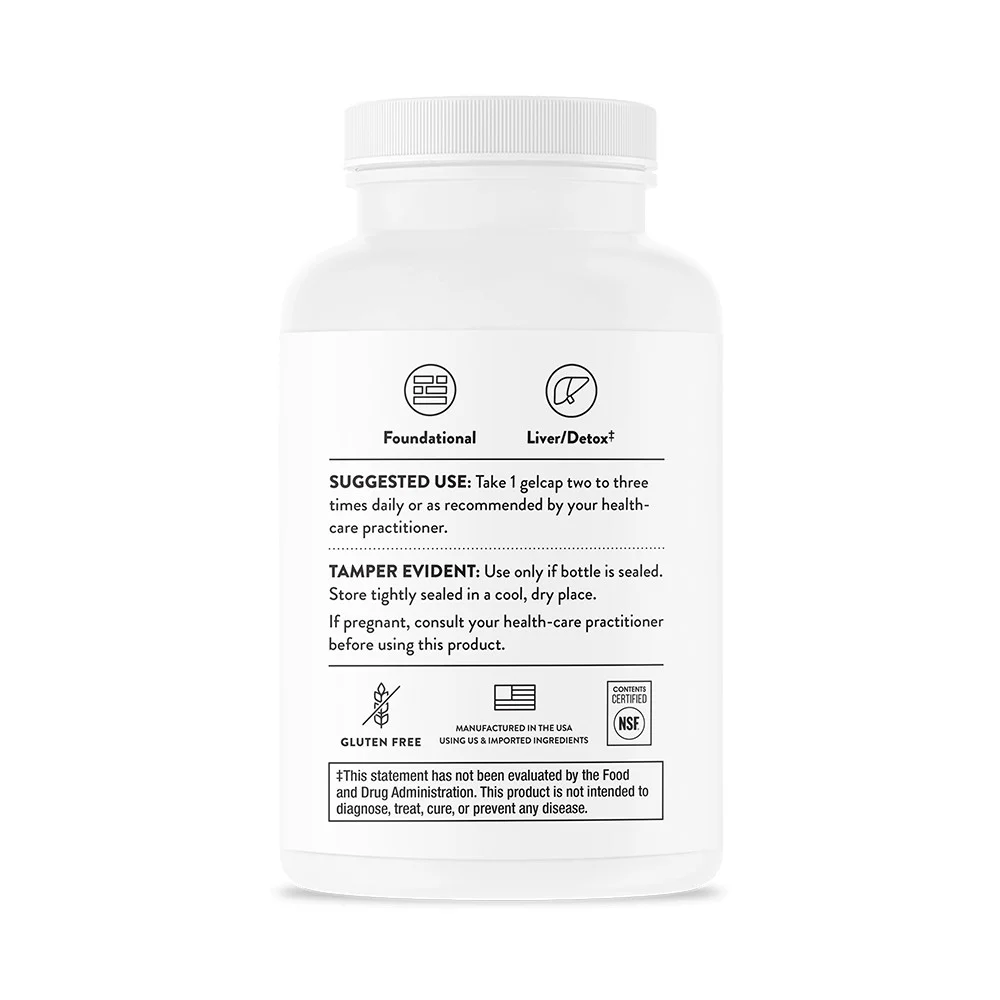
Top-scoring supplements in our catalog that list Phospholipids (from Sunflower Lecithin) on the label. Each product is graded on Formulate's ingredient-level rubric — dose accuracy, form, transparency, and third-party testing.



Evidence notes
Good evidence for phospholipids enhancing absorption of co-administered nutrients and supporting membrane health. Moderate evidence for cognitive benefits. Used in clinical lipid delivery systems.
Grade B: Some human trials support key claims; further confirmation needed.
Cited research for Phospholipids (from Sunflower Lecithin)
Clinical studies referenced across Formulate guides that mention phospholipids (from sunflower lecithin). Each links to the full study page with PubMed source + the guides that cite it.
Related in Other
Check a full stack
Formulate's free interaction checker lets you paste in any combination of supplements and medications at once — every pairing flags severity, timing, and cited evidence.
Open the checkerWhere does Phospholipids (from Sunflower Lecithin) fit in your stack?
Answer two questions and get a stack graded on research — every ingredient scored on the evidence behind it, not the marketing.
Build my stack2 questions · free · no account needed to start
Also on iPhone — get the free app
Evidence-based supplement guides, no spam
We send a short digest when new guides drop — nothing else. No affiliate pushes, no sponsored content, unsubscribe anytime.
Medical disclaimer. This page is educational and does not replace advice from a qualified healthcare provider. Individual needs and risks vary — consult a professional before starting, stopping, or combining supplements, especially if you are pregnant or nursing, taking medication, or managing a health condition.